

DISTANT PLACES
Travel tips for destinations far from the Hanseatic City of Bremen
Flensburg on the Baltic Sea
On the Förde at the border to Denmark
Page 1 / 6
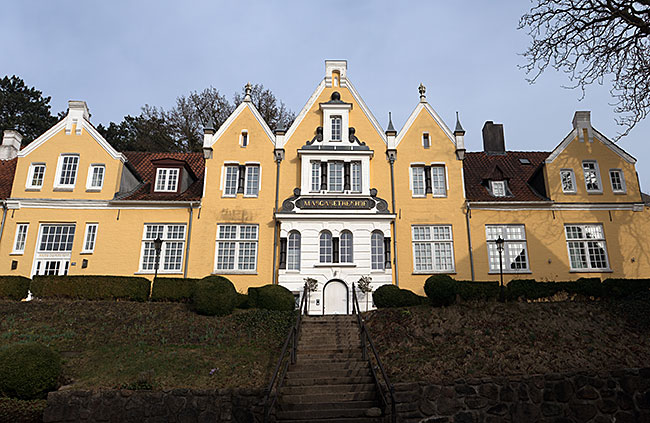
The Margarethenof: A former iron foundry with its own hydroelectric power supply, transformed into a merchant's villa in 1882
Step by step, the path leads steeply down the hill along a narrow stone staircase. With temperatures at a cool 6 degrees Celsius and a brisk breeze just after the start of spring, no beads of sweat will form on your brow from the exertio - though that might change during the climb back up. However, Flensburg, located in the far north of Germany on the Baltic Sea near the Danish border, isn't exactly known for record-breaking summer heat.
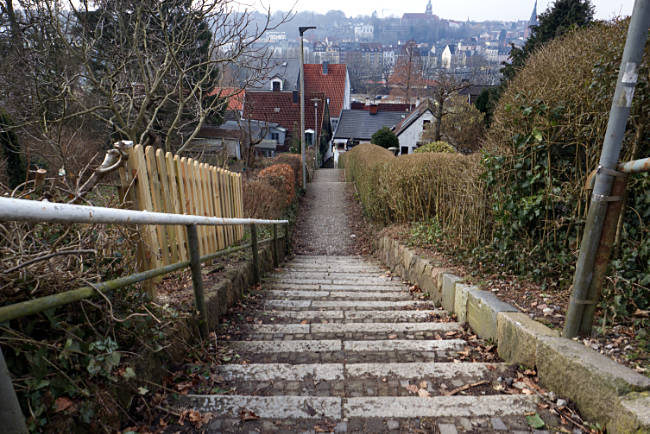
The Little St. George’s Stairs (Die Kleine Sankt-Jürgen-Treppe)
"The True North" - that is how the northernmost federal state rightfully markets its unique charms. When "fresh air" is promoted as "the best thing about the North," it is hard to disagree once you are actually here. Fresh breezes blow across the Baltic on the east coast and the North Sea on the west, with roughly 70 kilometers of flat, sparsely populated land stretched between them. With just under 100,000 residents, Flensburg is the third-largest city in Schleswig-Holstein, following the state capital Kiel and the "Pearl of the Hanseatic League," Lübeck.
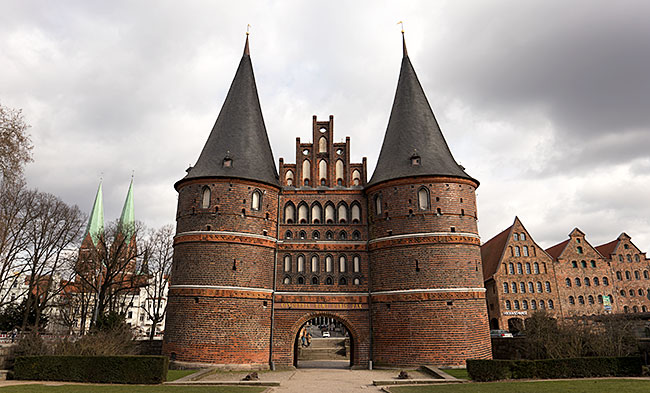
The most popular photo motif in Lübeck: the Holstentor. To the right are historic salt warehouses; to the left in the background stand the towers of St. Mary's Church
Coming from above, you emerge at the end of the Little St. George’s Stairs right in the heart of the Captain’s Quarter on St. Jürgen-Straße. The street was named after the patron saint of hospitals and infirmaries; indeed, a hospital of the same name once stood where the St. Jürgen Church - visible from the harbor since 1907 - now stands.
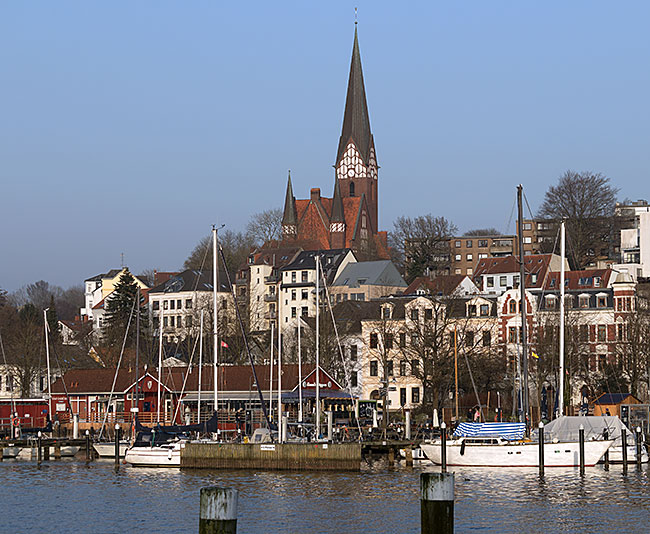
View across the historic harbor toward the Captain’s Quarter and St. Jürgen Church
When development began in the 16th century, this area belonged to a politically independent monastery. At the time, building regulations prohibited construction outside city walls on municipal land, while building plots and living space inside the walls were scarce. Consequently, captains, pilots, shipbuilders, and fishermen moved with their families to the hillside on the east side of the harbor, where they could obtain land from the monastery. To this day, houses from the 18th century remain in this settlement, which was officially incorporated into the city in 1874.
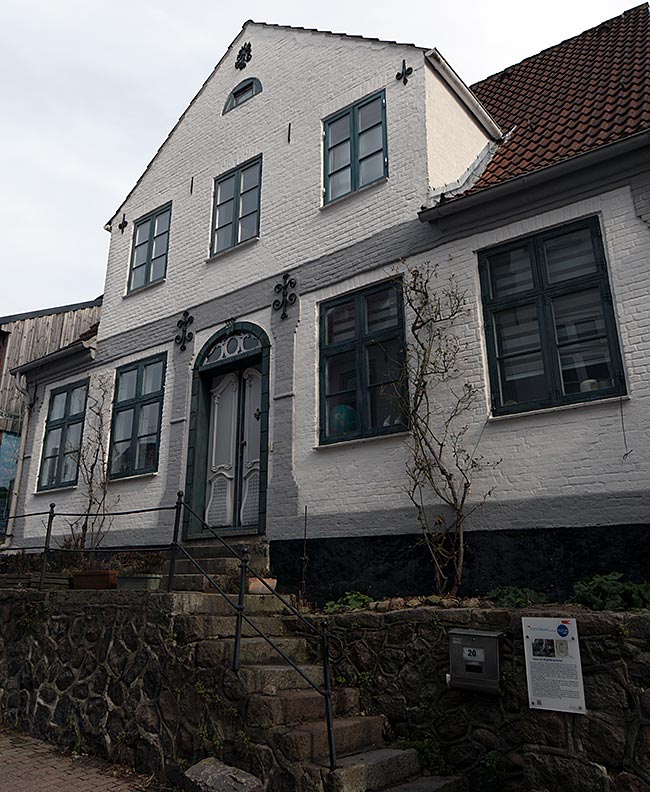
A captain's house, built around 1780
A beautiful example is a captain's house built around 1780. The front door, designed in the Louis-seize style - a French early neoclassical movement of the second half of the 18th century named after King Louis XVI - is believed to be original. The black metal elements are not merely decorative; they connect the masonry to the building's wooden support beams, a common feature in historic structures.
![A view into the Schiffergang [Sailors' Way] without sailors - Bremen sehenswert - distant places](images/flensburg8.jpg)
A view into the "Schiffergang" [Sailors' Way] without sailors
In these few alleys and streets, a wealth of specialized knowledge lived in close quarters. Records show that in 1781 alone, around 50 pilots lived here. Consequently, visitors today will encounter street names such as Steuermannsgang (Navigator’s Lane) and Schiffergang (Sailors' Way).
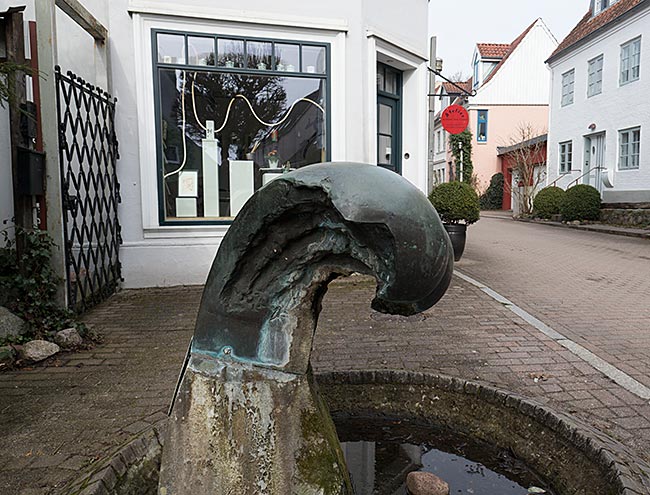
Artwork: "The Wave" by Uwe Appold, 1987
In the era of the great sailing ships, not only was the construction of the vessels a feat of craftsmanship, but navigating with sextant and compass and the art of sailing were also master skills. Those who did not master their craft risked running aground - particularly on merchant ships - and potentially taking the entire crew down with them. In Flensburg, men were trained to be among the best; only those with true mastery earned a captain's license.
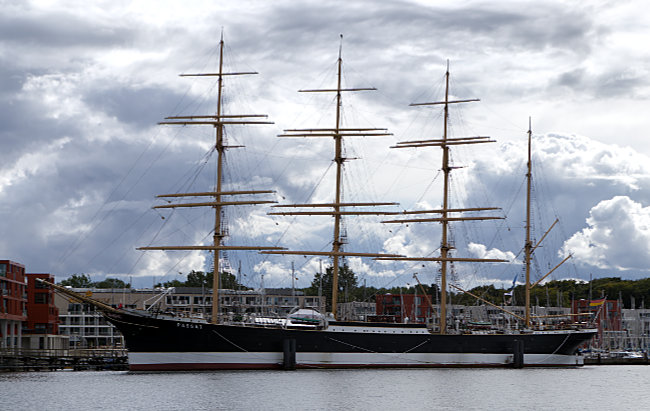
The four-masted steel bark "Passat" was launched in 1911. Today, the former cargo sailing ship is permanently moored in Lübeck-Flensburg. Its sister ship built in 1905, the "Pamir," sank in a hurricane in 1957 - a combination of unfortunate circumstances and perhaps flawed decisions on board. Only 6 of 86 people were saved.
What this meant for their jobs beyond earning good wages can be explored on the guided tour "The Captain’s Path" around the historic harbor. The "Flensburg Maritime City Tour" provides a well-documented experience with plenty of information if you wish to dive deeper.
Of course, one doesn't have to - the view from the eastern slope overlooking the harbor is magnificent in its own right. Perhaps it was even more captivating back then, with great sailing ships and the constant bustle of loading and unloading at the moorings. In any case, for the families living here, the view over the harbor and the Förde (bay) as far as the eye could see was undoubtedly more emotional: Would their loved ones - husbands and fathers - return home safe? Men? Men! At that time, women had little to no place on merchant ships. Furthermore, many sailors believed that women on board brought nothing but bad luck. Well ... ships have sunk both with and without women. Find the difference.
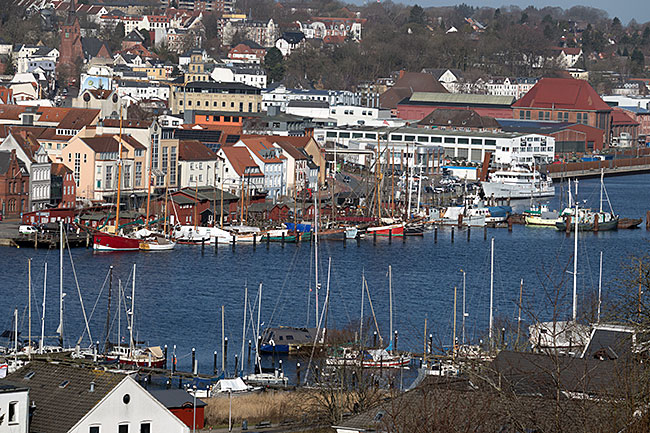
View from the Captain’s Quarter of a section of the historic harbor
previous page
 next page
Map
More impressions
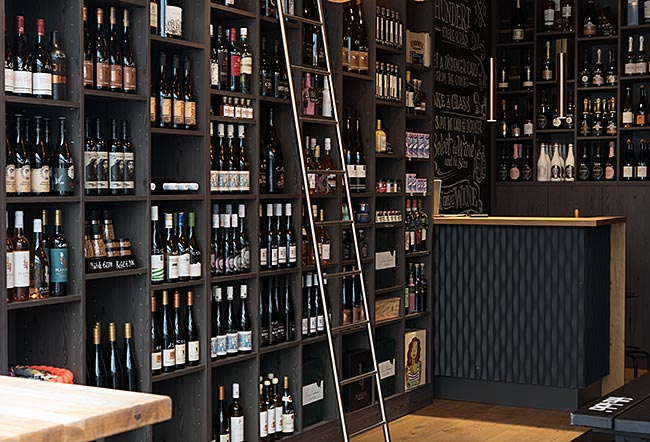
Weinhundert - Store & Bar on Rote Straße
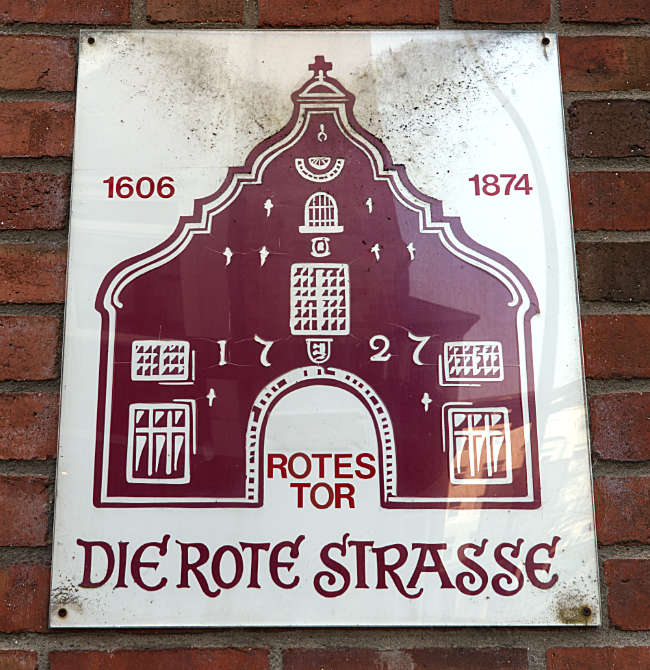
... only the red gate no longer stands
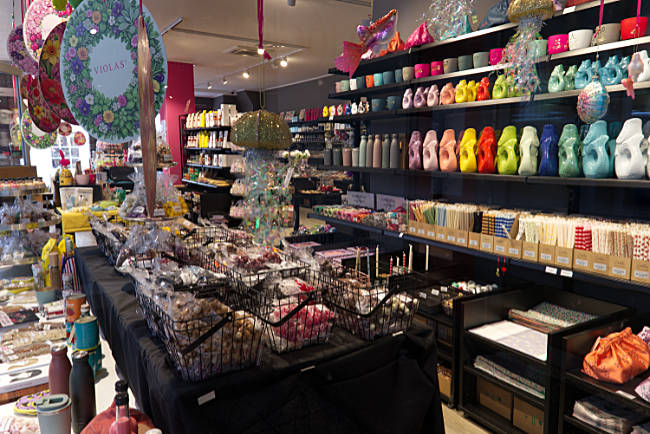
Tasteful selection
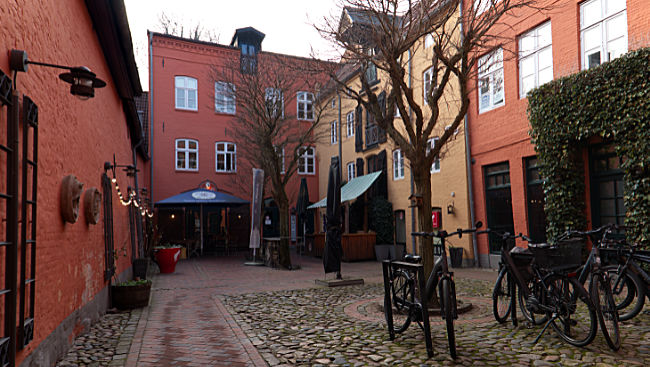
Courtyard with dining options
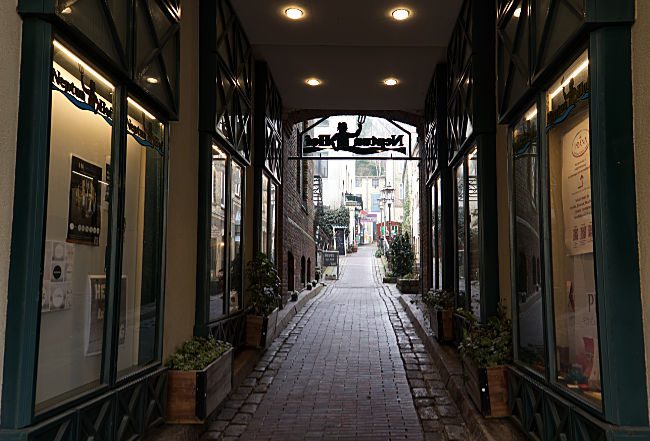
Entrance to Neptun-Hof at Nordermarkt
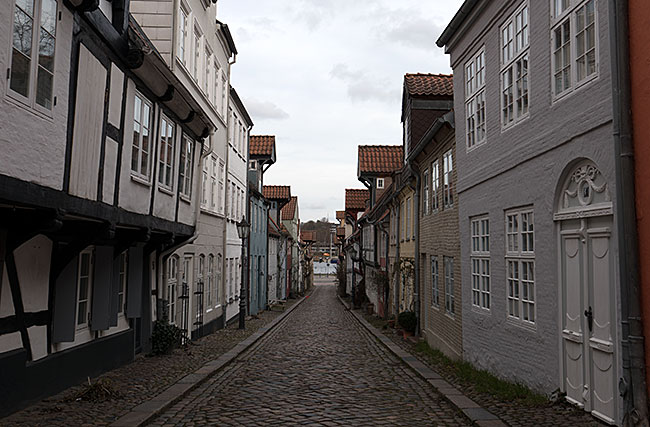
Oluf-Samson-Gang between Norderstraße and the Museum Harbor
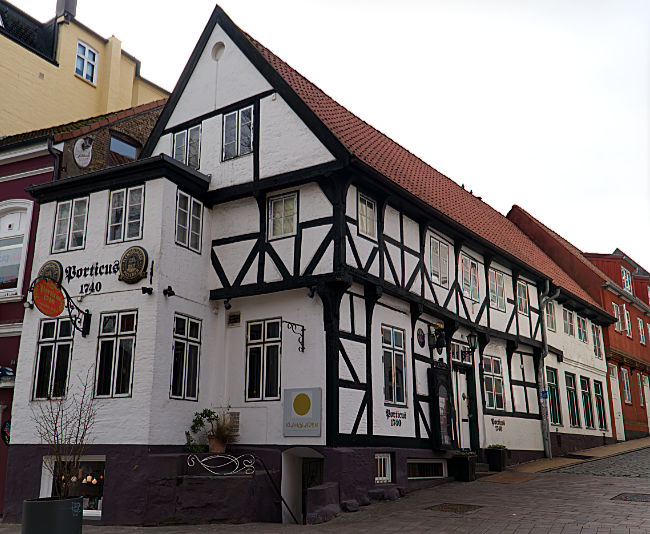
Historic building from the 18th century opposite St. Marien Church
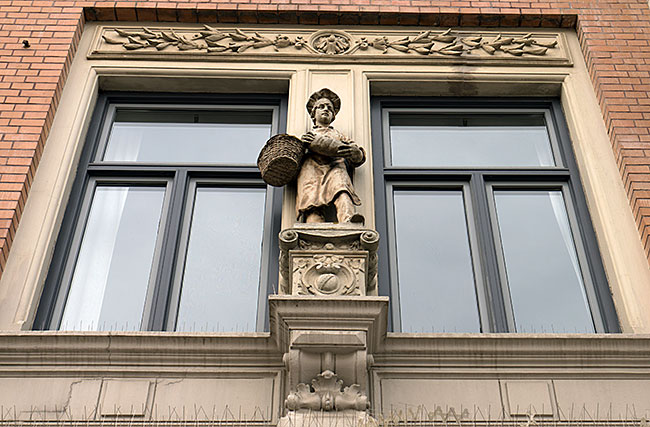
Window
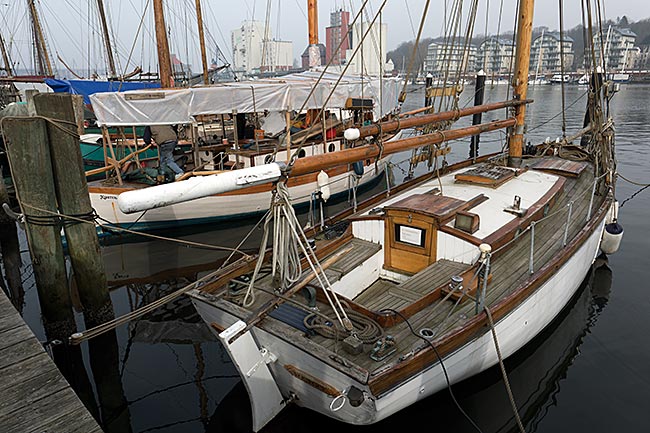
At the museum shipyard
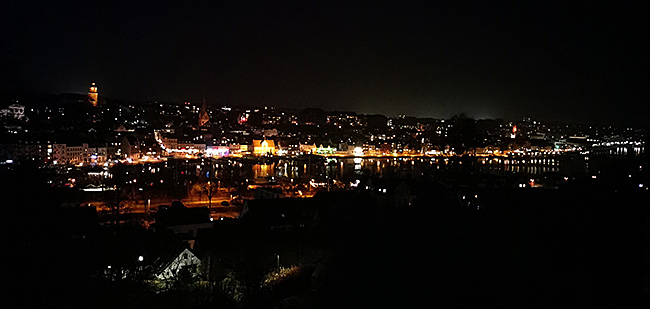
Night view of the historic harbor from the Captain’s Quarter
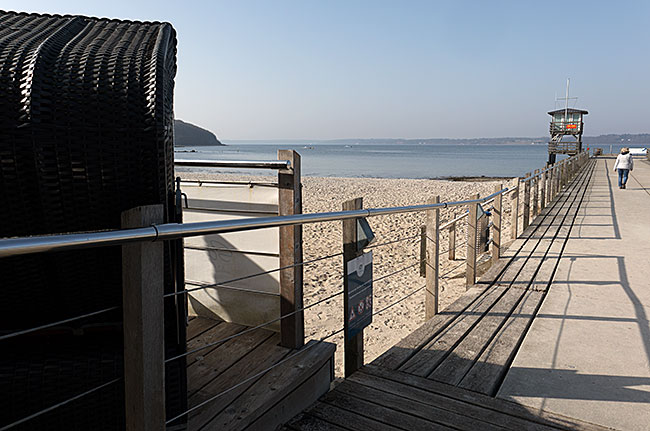
The pier in Glücksburg
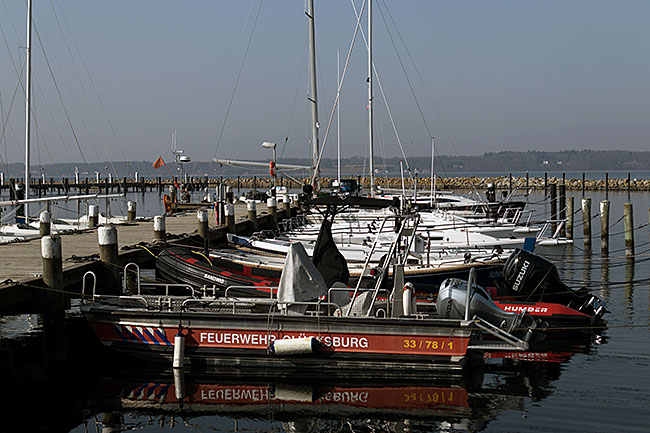
Marina in Glücksburg
Rügen by the Baltic Sea
Active holiday featuring cycling and hiking
Enjoy an active holiday featuring cycling and hiking along the Baltic coast in Mönchgut on the island of Rügen. Long sandy beaches, rolling hills, and lush forests provide a varied and beautiful setting for your getaway. Often, the only thing breaking the peace is the distant whistle of the historic 'Rasender Roland' steam train. Despite its name (which suggests something "racing" or fast), it’s actually quite the opposite. A journey by train is simply part of the holiday experience.
read more about Rügen ...