

DISTANT PLACES
Travel tips by Bremen sehenswert far from the Hanseatic City of Bremen
The "Green" Island of Corfu
From the sights of the capital, Kerkyra, to the Corfu Trail
Page 3 / 3
The Austrian Empress Sisi on Corfu
Located about six kilometers from the old town toward the airport, the Achilleion is another major landmark on the island of Corfu. Empress Sisi had the palace built for her in Pompeian style between 1889 and 1891.
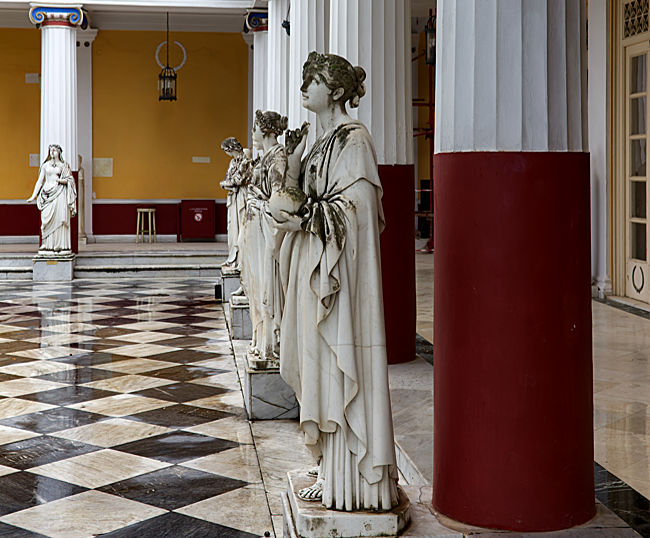
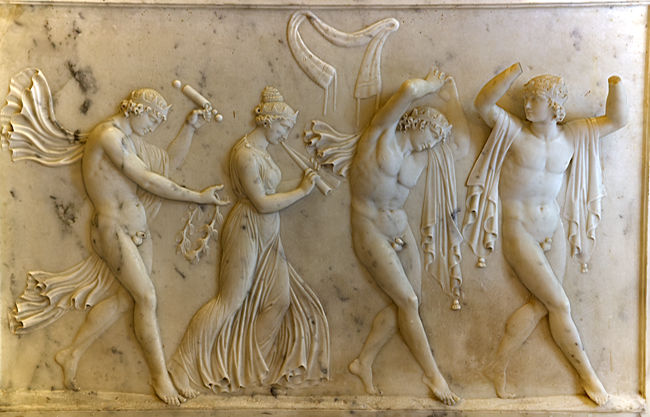
The Muses on the terrace
Those with a bit of extra time can visit a nearby estate located on the same Analipsis peninsula before visiting the palace. Known as Mon Repos, it was constructed between 1828 and 1832 during the British protectorate as a summer residence for the then-governor, Sir Frederick Adam. Since 1994, the complex has been in state ownership.
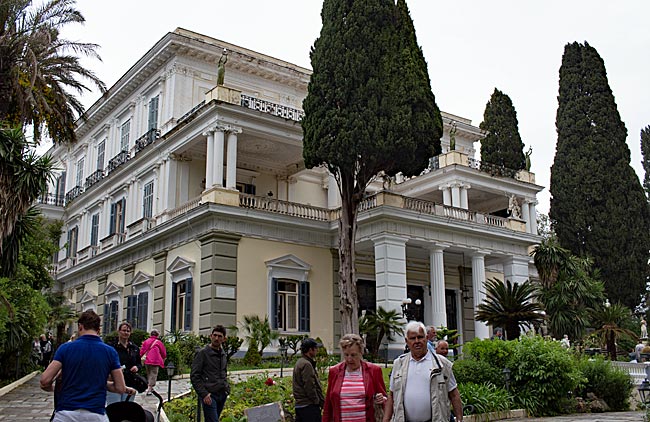
Front view of the Achilleion
The rooms of this Neoclassical building currently house a museum that showcases the history of the house as well as the island's history dating back to antiquity. Within the publicly accessible park, there are two excavation sites that provide evidence of settlement on the peninsula (also known as Kanoni) long before our era. While not much remains of the ancient Hera Temple, the Kardaki Temple is quite well preserved. It was named after a freshwater spring located here that was used by inhabitants in ancient times. Today, however, water only trickles along the nearby island coast, as the spring dried up in 1822.
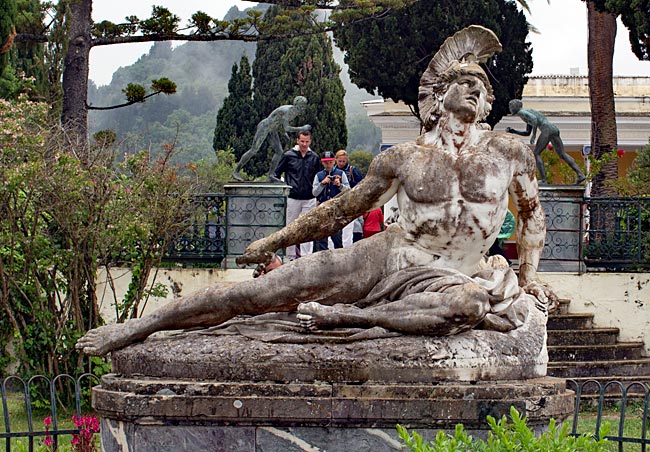
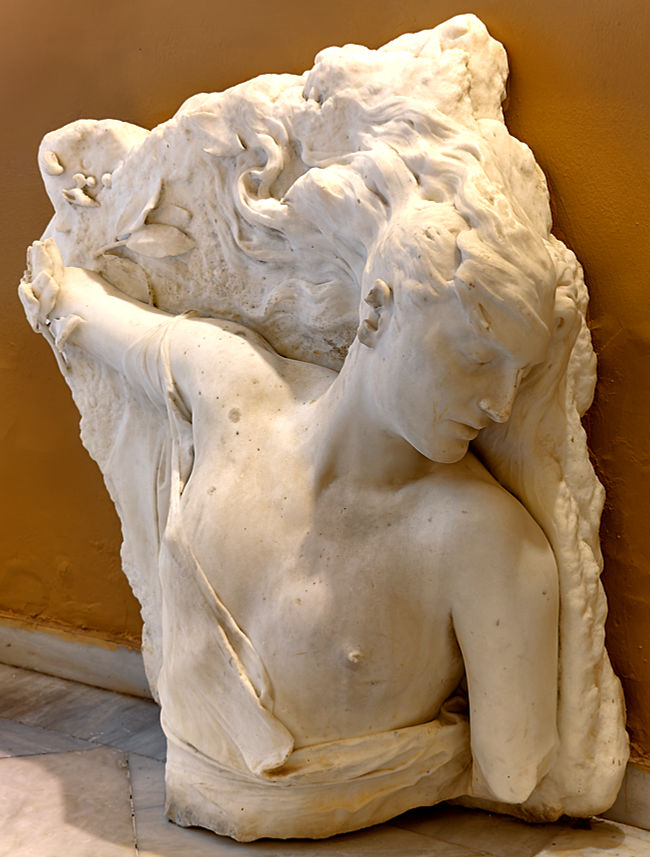
"Dying Achilles" in the garden of the Achilleion
During the high season, space in the park area in front of the Achilleion becomes limited; entire busloads of visitors stream toward the entrance gate. But how did it come to be that the Austrian Empress had a palace built here during the British era - following plans by Neapolitan architect Raffaele Caritto - and named it after the hero Achilles from Greek mythology and Homer’s poetry? In 1860, the Empress suffered from a persistent cough and sought relief through a change of climate; thus, she arrived on the island of Corfu at the invitation of the British, a place she came to cherish deeply. Here, she befriended the local philosopher and later ambassador, Petros Vrailas-Armenis, on whose former plot of land the palace stands today. In 1889, five years after the death of Vrailas-Armenis, Sisi purchased this area and several neighboring plots stretching down to the sea to ensure direct access when arriving by ship, totaling 80 hectares. After a dilapidated villa on the site was demolished, her Achilleion was constructed. She chose the name for the building herself because she adored the works of Homer and was impressed by the power of the mythical hero Achilles.
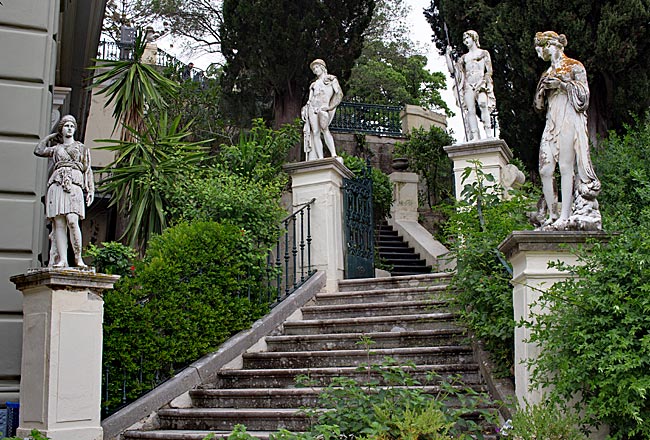
Four Olympic Gods: Aphrodite, Hermes, Apollo, and Artemis
This explains the numerous sculptures and statues placed on many of the house's corner pillars and throughout the surrounding park, such as "Dying Achilles" by Ernst Herter (1884) or the four of the twelve Olympian gods (Aphrodite, Hermes, Apollo, and Artemis) that flank the stairs leading to the garden.
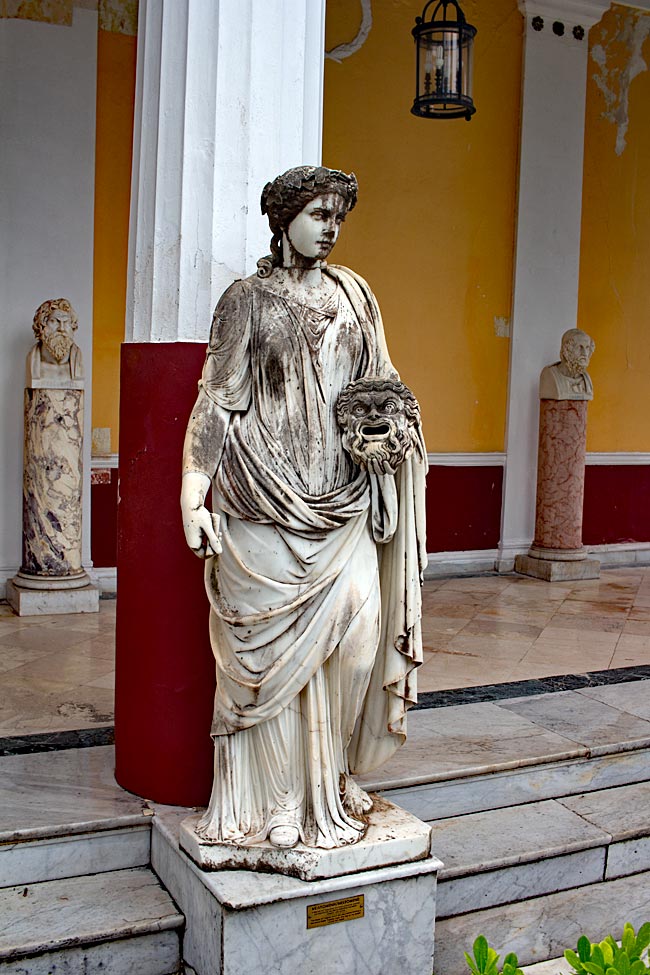
One of the Muses on the terrace
On the two-tone tiled terrace, one finds the nine Muses, the patron goddesses of the arts from Greek mythology. However, not all statues in the park were commissioned by Sisi. Following her violent death in Geneva in 1898 at the hands of an Italian anarchist, German Emperor Wilhelm II purchased the property from Sisi’s daughter, Maria-Valeria, in 1907. He had it extensively renovated and, in 1909, erected a second Achilles statue - produced in Berlin - in the garden: "Victorious Achilles" with spear and shield by Johannes Götz, which has stood in the original location of the "Dying Achilles" ever since.
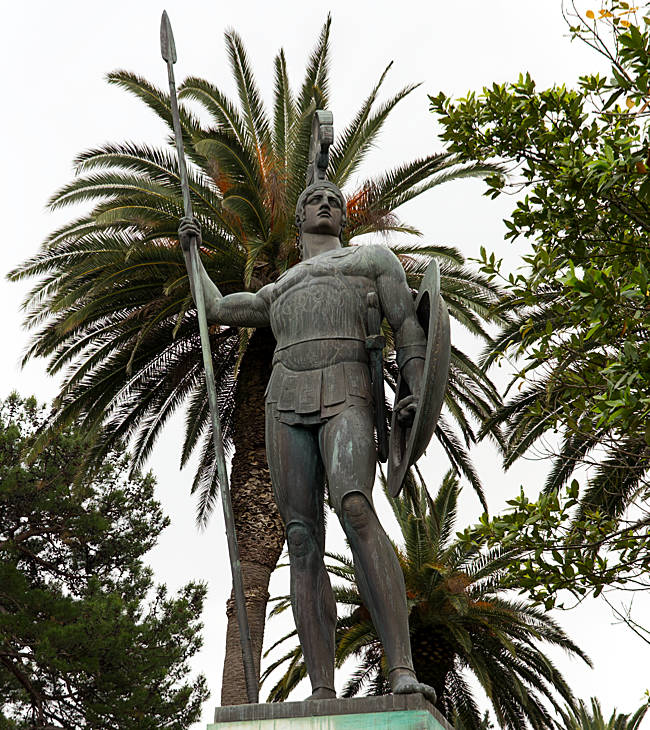
Victorious Achilles
With the Emperor’s move into the premises, a large portion of the interior furnishings was replaced. Many of the monarch's furniture pieces were transported to Austria and used there, while items such as dishes and cutlery were sold. However, the Emperor only remained until the outbreak of World War I. Following that, the palace saw a varied history of use, including serving as a military hospital for French and Serbian troops during the war. In World War II, it served as the headquarters for the German occupiers, and in 1962, the upper floor was converted into a privately operated casino (the first in Greece), while the ground floor became a museum. In 1983, the Achilleion finally returned to state management. In 1994 and 2003, after further extensive renovations, the house became a meeting place for EU summits. Since then, as mentioned, crowds of tourists have flocked to this site.
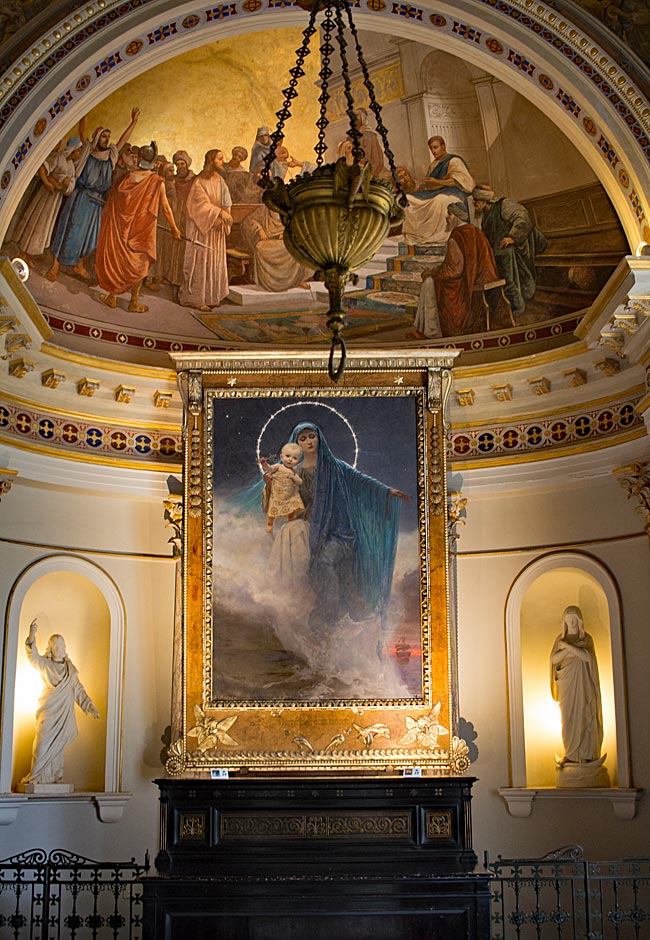
Sisi's chapel in the Achilleion
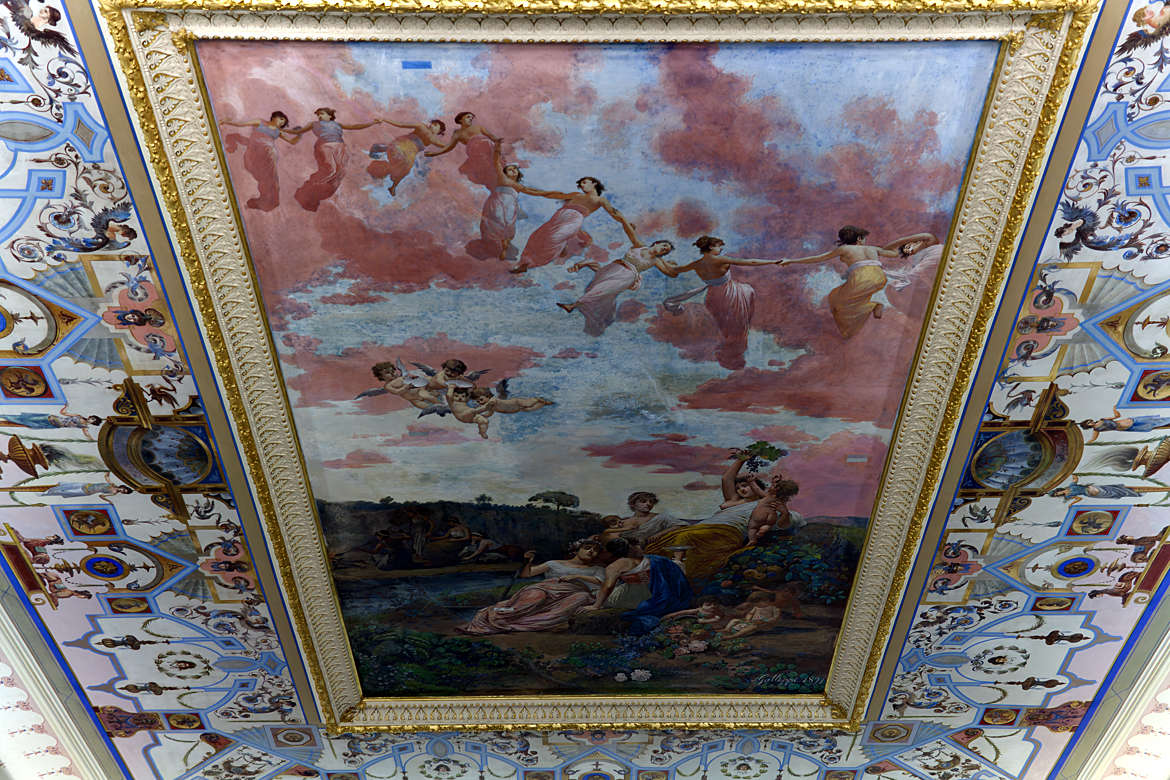
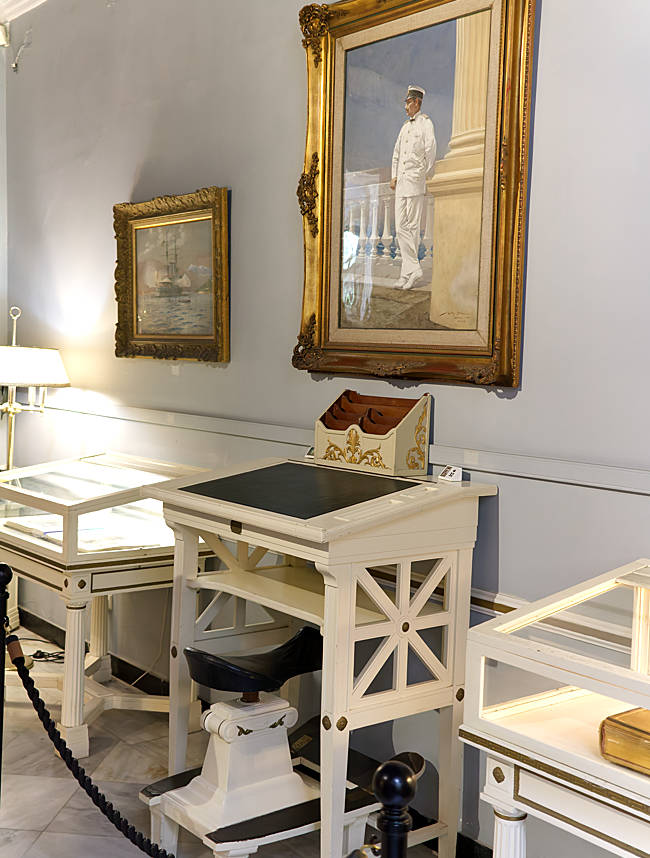
In the entrance hall and on the staircase, one can first admire the ceiling design, which includes a large fresco, before reaching Sisi’s chapel just to the right. In the adjacent room, pictures and mementos of the Austrian imperial couple are displayed, even though the Emperor was never there. In the third room on that side, the interior of the German Emperor is exhibited, including imperial dishes and books in display cases, furniture pieces like a standing desk, a riding saddle, as well as numerous photos and paintings.
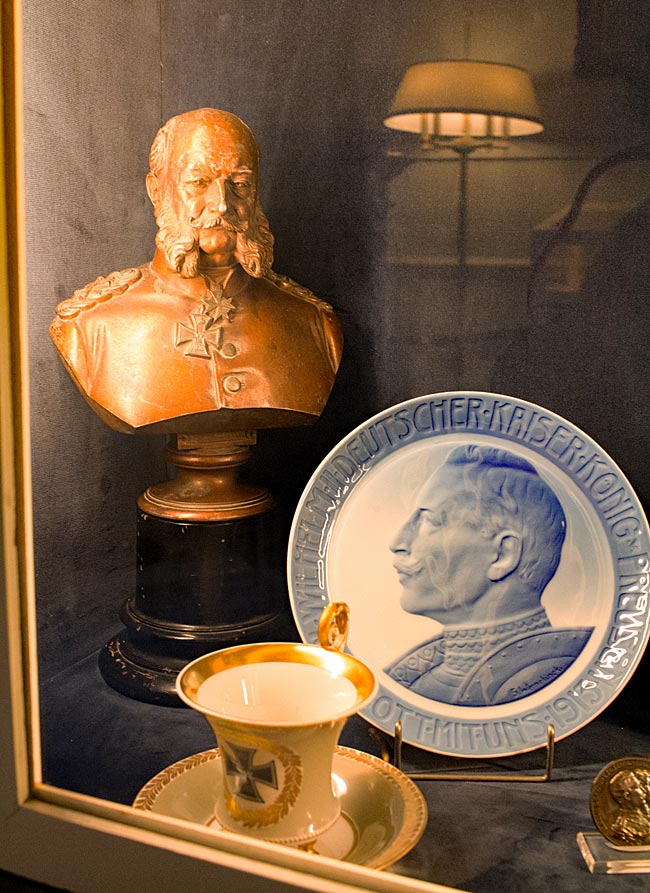
Interior of Emperor Wilhelm II
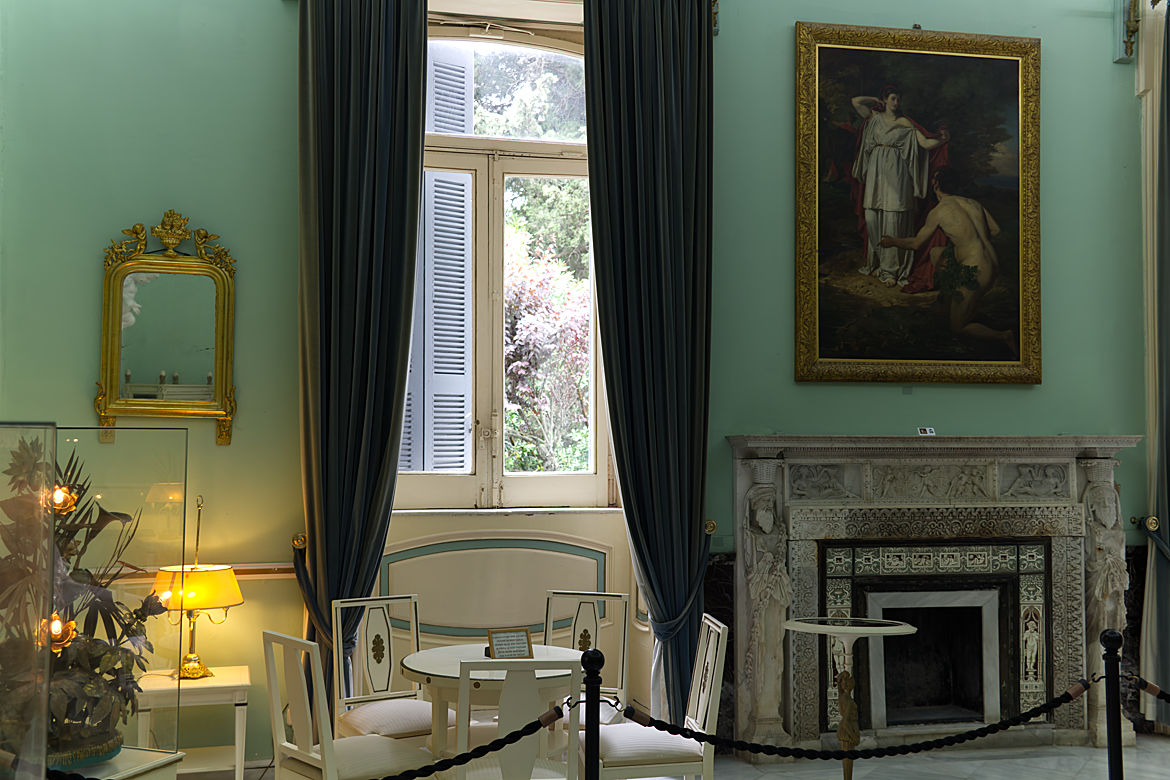
On the opposite side of the entrance hall, one enters a salon - Sisi's study with her desk - and then a bedroom. These rooms contain the furnishings that were preserved, supplemented by various other interior items. These also include replicas of ancient reliefs and sculptures.
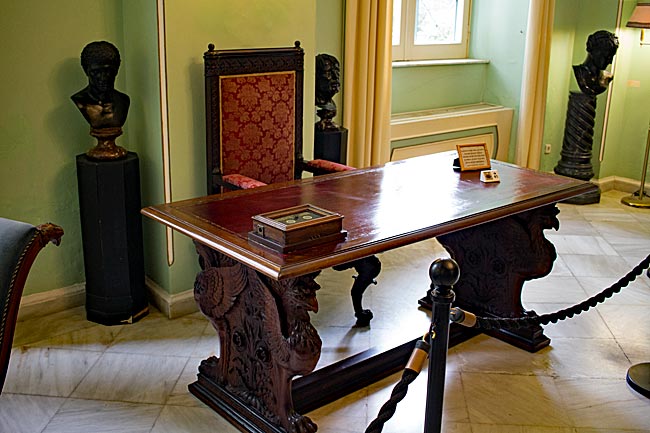
The Empress’s Desk
On the upper floor, the massive fresco "Triumph of Achilles" by Austrian painter Franz Matsch particularly commands attention. Created by the artist between 1892 and 1894, the work depicts the hero Achilles in his chariot as he drags the defeated and dead Hector before the walls of Troy, holding his helmet high in the air.
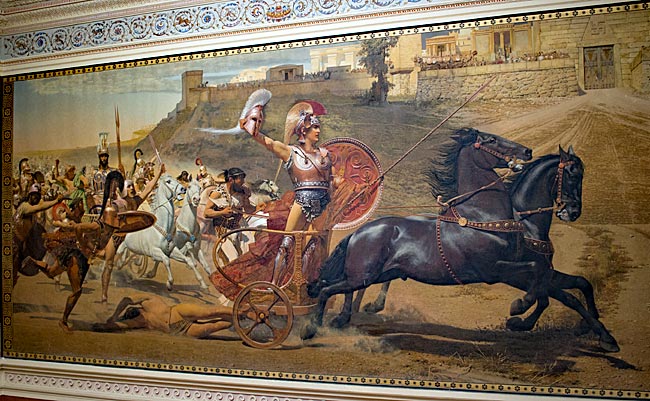
Fresco "Triumph of Achilles"
After a tour, one can say that the people of Corfu have made a great effort to revive the Achilleion in the spirit of the famous Empress. One gains an impression of how the monarch lived here during her mostly two visits leading up to her death and how she walked through her park. Not rebuilt was the bridge arch of "Kaiser’s Bridge," which was demolished during World War II; it once led from the lower garden directly to the pier where the ships of the German House of Hohenzollern's Emperor last docked. On the coastal road, one passes the still-existing pier and the bridge pillars. Trucks would likely no longer be able to drive under the former road crossing today anyway.
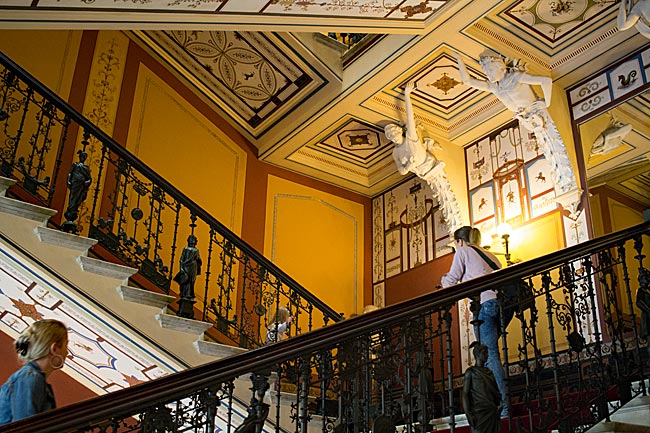
View into the staircase of the Achilleion
Hiking on Corfu
Corfu is among the most densely populated areas in Greece and ranks quite high in the preferences of many tourists. Yet, despite the busy activity in many places, one can still find quieter corners on this mountainous island. Many hikers also seek peace and nature, traveling individually or as part of organized tour groups on official hiking trails. The best-known route is the Corfu Trail, which stretches for 220 kilometers from north to south and reaches heights of up to 900 meters above sea level.
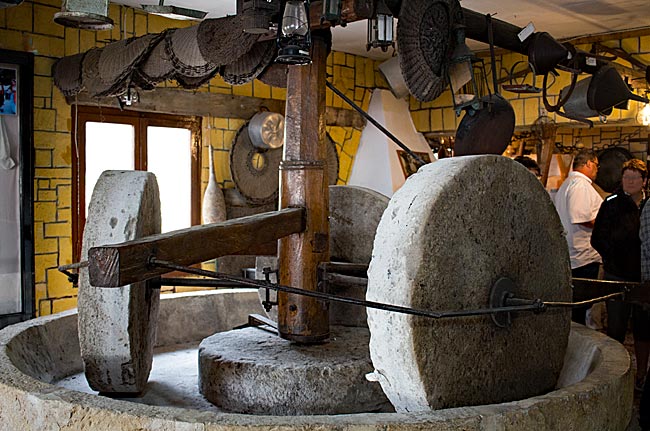
Old olive oil mill that ground olives with pits
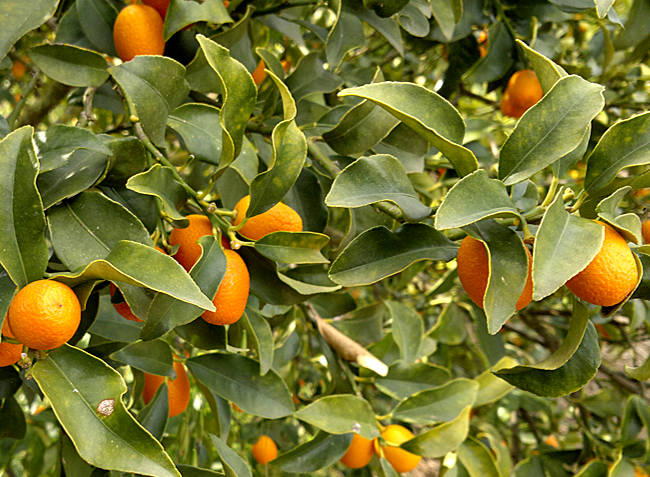
During a hike, it quickly becomes clear why this Ionian island is also called the "green" island, as the vegetation is remarkably lush. However, large parts are more cultural than natural landscapes. This refers primarily to the thousands of olive trees found almost everywhere on Corfu. The reason for this abundance was the massive promotion of cultivation by the Venetians, mainly at the expense of wine, which was much more commonly cultivated at that time.
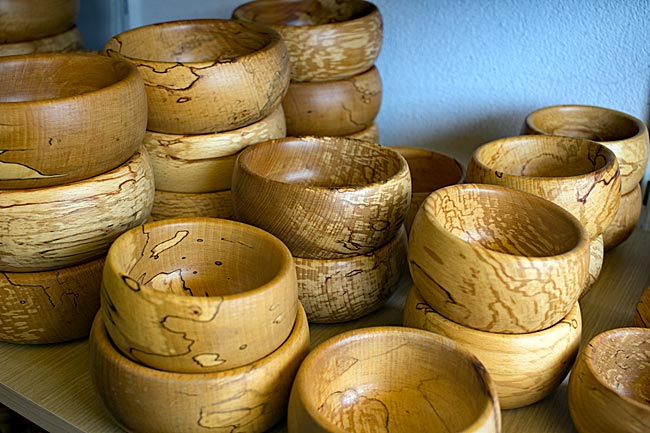
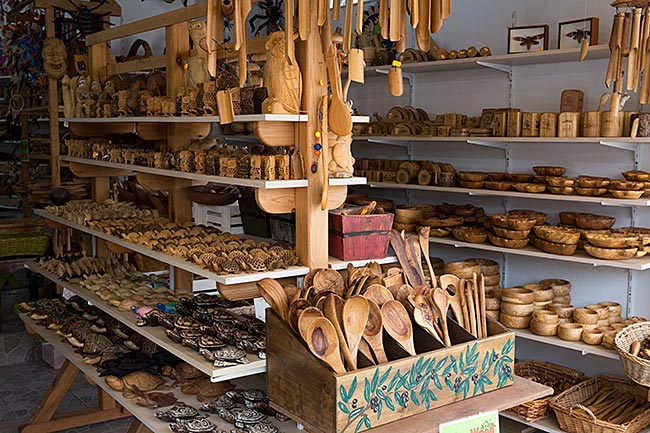
Available everywhere on Corfu: products made of olive wood, such as these bowls
Upon closer inspection, many olive trees have not been maintained for a long time; they have grown wild and are difficult to harvest, which is why it is often not done. Similarly, much of the agriculture - such as former grain and maize cultivation as well as large-scale livestock farming - fell into disuse during the years of war, occupation, and the subsequent civil war. These practices were not resumed with the rise of tourism. Consequently, the region now thrives primarily on tourism.
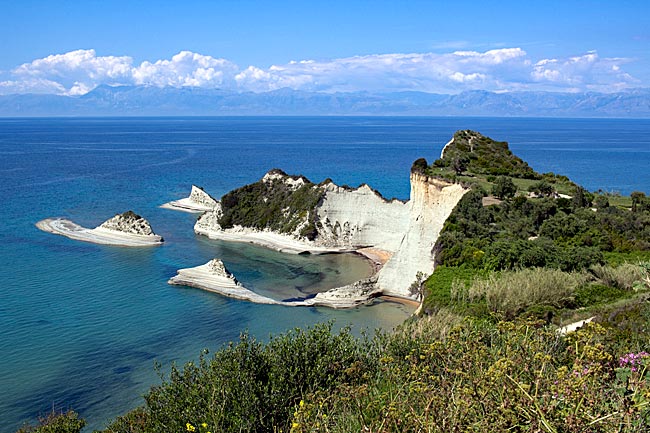
Cape Drastis
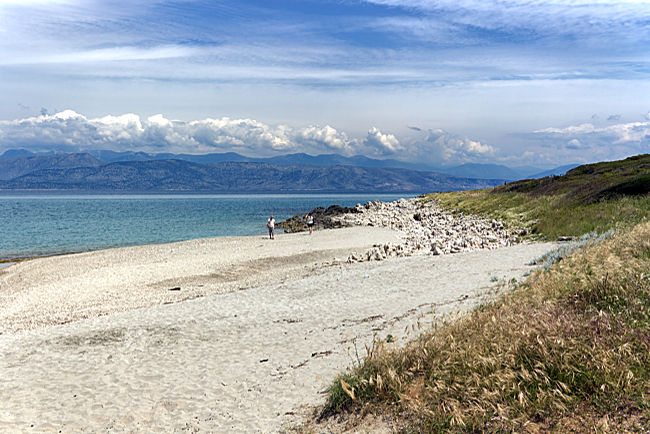
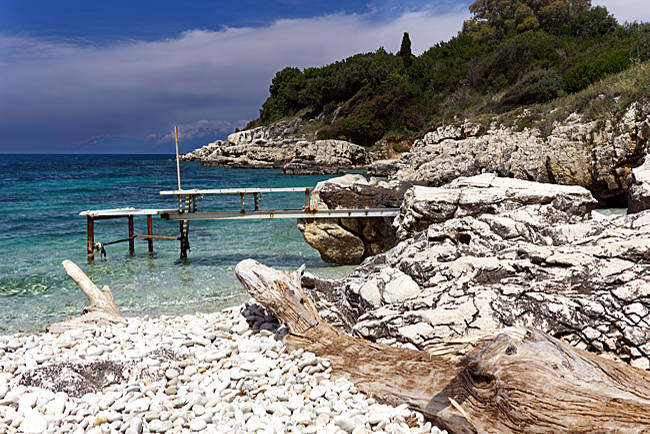
This does not diminish the enjoyment of a hike, which is highly recommended on Corfu. In some sections, the Corfu Trail runs directly along the coast, providing stunning views such as at Cape Drastis. As a hiker, you pass small coves, look out over blooming plains, and can stop in various taverns along the route for a short rest.
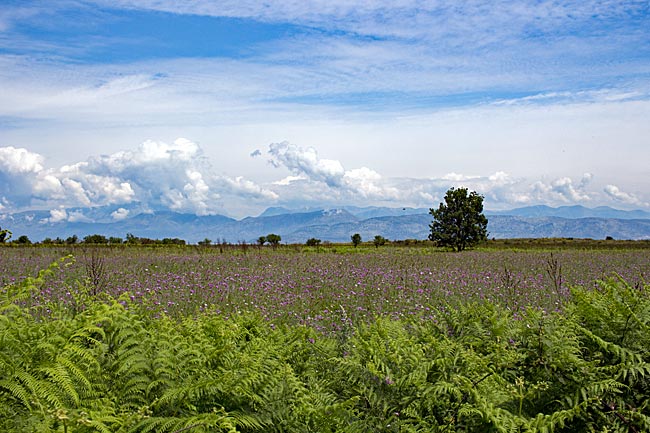
Landscape near Agios Spiridon
Travel Information
Official website of the island: https://visit.corfu.gr
previous page
 next page
Map
More photos
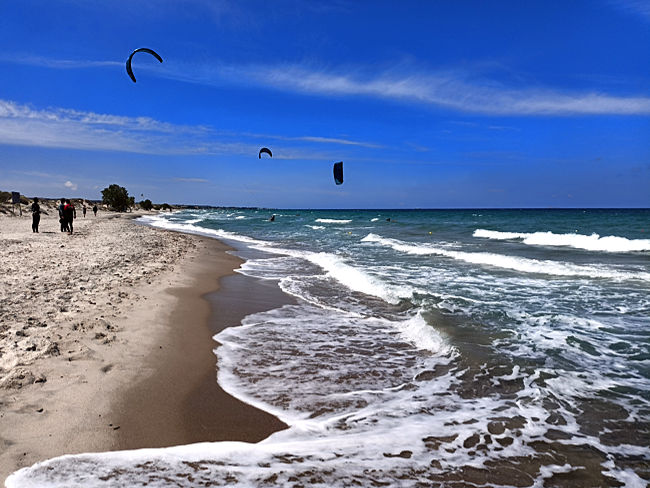
Kos - The Greek Dodecanese Island
A Travel Guide
Greece, the cradle of democracy. While some may think of great philosophers like Plato and Aristotle, or mathematicians such as Archimedes and Euclid; others might think of victorious generals like Alexander the Great, who founded Alexandria in present-day Egypt with its legendary library. Yet others may have sun, beach, Mediterranean flair, or the scent of thyme in mind when Greece is mentioned.
read more about Kos ...
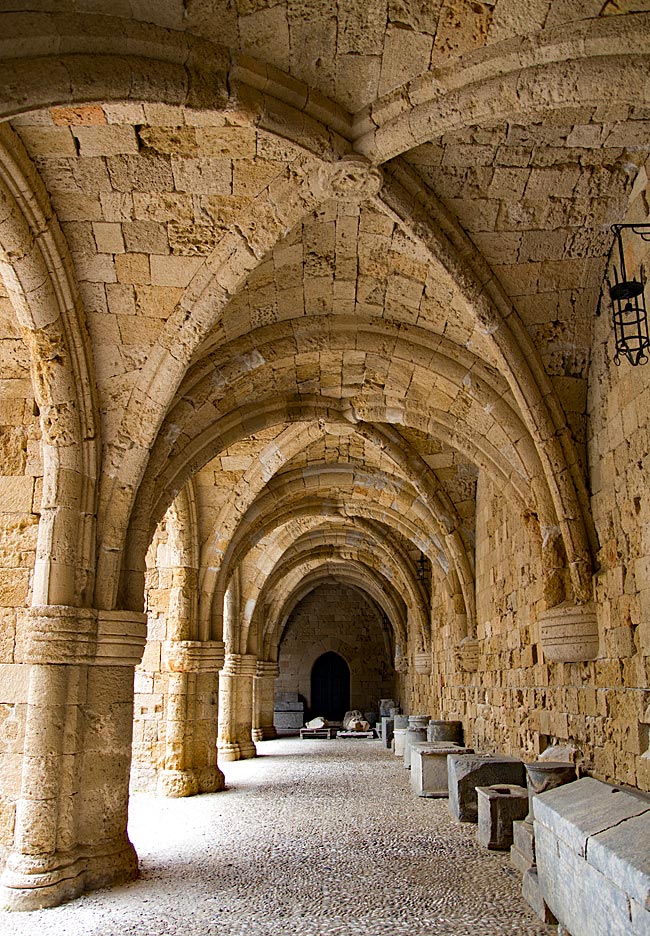
UNESCO World Heritage Site on Rhodes
A journey through the historic Old Town of Rhodes
Relics from various eras - ranging from antiquity to the period of Italian occupation - can be found almost everywhere on the island. Many have left their mark; in some places, they must be sought out, while in others, they appear in clustered, fascinating density and variety. Yet, nowhere else on the island are these traces as prominent as they are in the city of Rhodes. It is not for nothing that the historic Old Town was declared a UNESCO World Heritage site in 1988.
read more about Rhodes Old Town ...
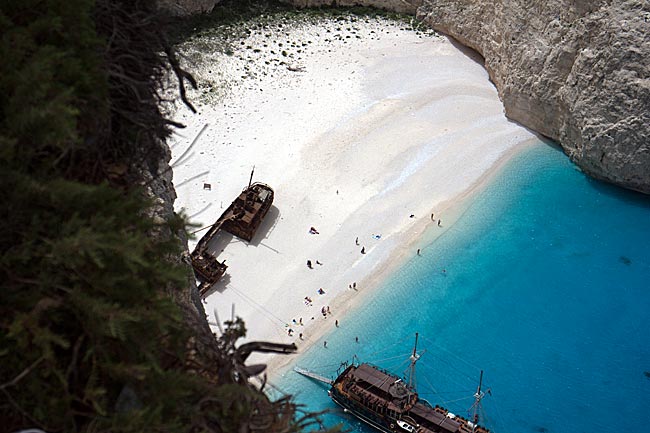
Zakynthos
An island defined by the Caretta caretta
When searching for images of the 406 km² island online, one primarily encounters a very common recurring motif that has been captured from a similar angle by various photographers over the years: Navagio Bay on the northwestern coast. It's all junk, right? Well, that is a matter of perspective, and there are plenty of those during the season, whether they have a camera or not. The fact remains, however, that the rusting wreck of the motor vessel "Panagiotis" has become a landmark for Zakynthos.
read more about Zakynthos ...
Symi
An excursion to the Greek Dodecanese island off the Turkish coast
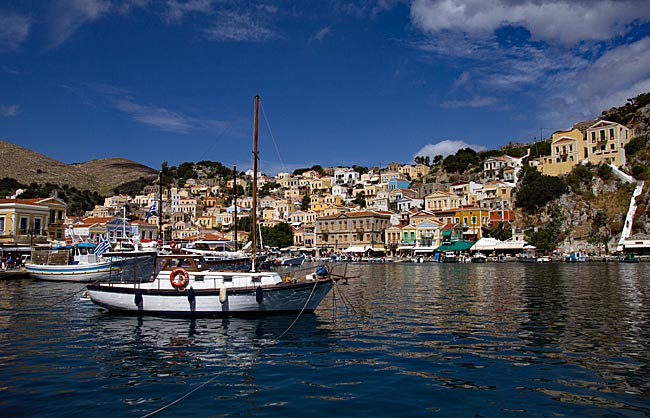
A visit to this sparsely populated rocky island of about 60 square kilometers, with its namesake picturesque harbor town, is part of the standard tour itinerary offered in many locations on the Greek island of Rhodes. From the main island, it takes ships approximately two hours to reach the port of the small island located 23 kilometers north of Rhodes off the Turkish coast, which has belonged to Greece since 1947. As more of the Greek coast recedes into the distance to the port side, the ship draws closer to the Turkish shore; this part of the southern Aegean essentially connects Europe and Western Asia.
read more about Symi ...