

DISTANT PLACES
Travel tips by Bremen sehenswert far from the Hanseatic City of Bremen
UNESCO World Heritage Site on Rhodes
A journey through the historic Old Town of Rhodes
Page 2 / 2
Heading toward the city center into the shopping zone
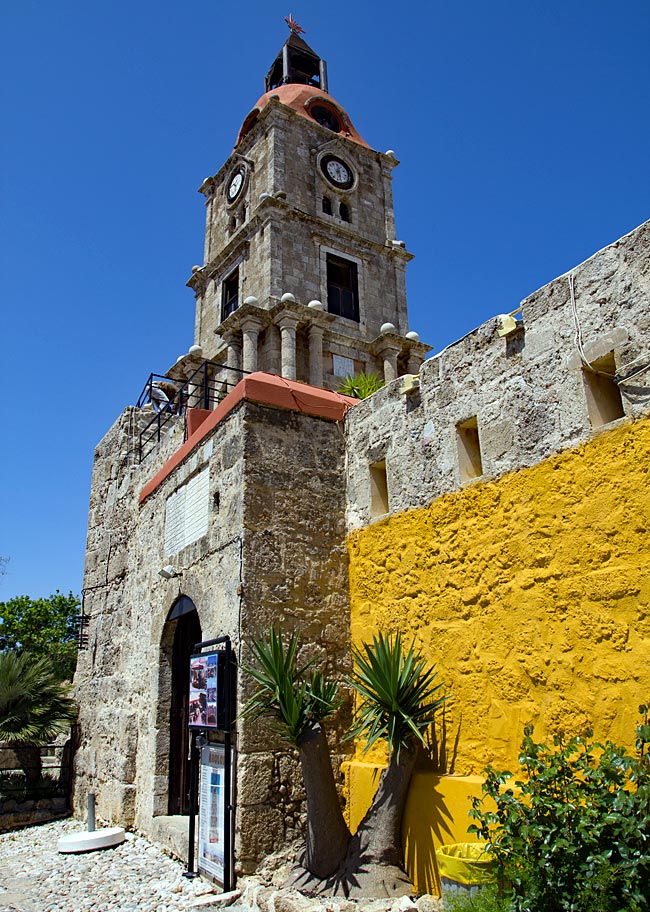
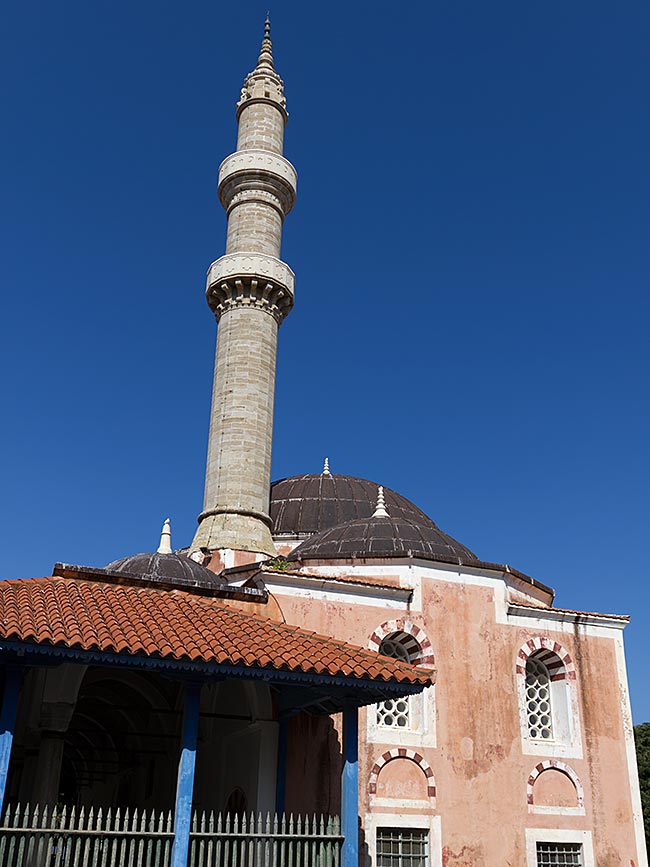
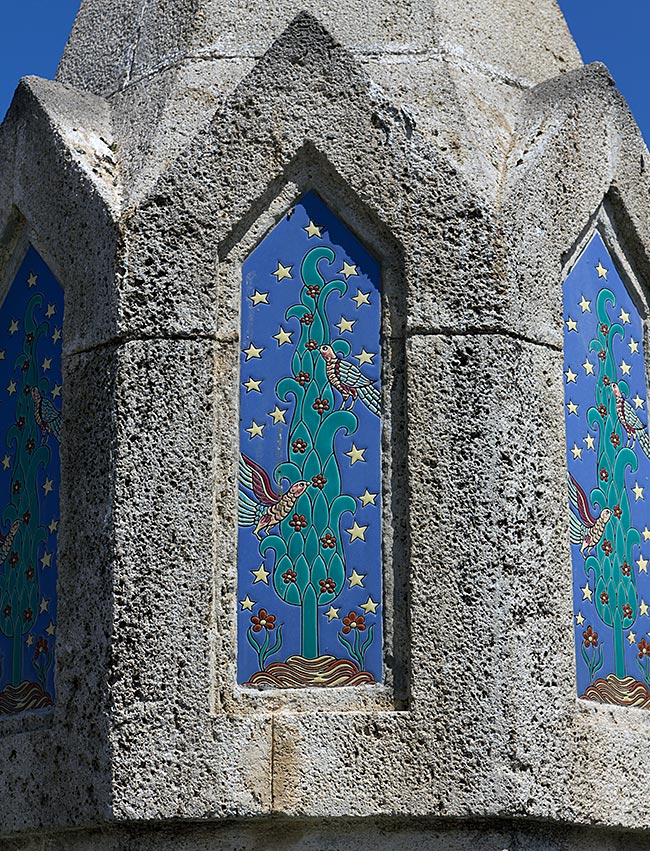
Returning toward the city center, you will pass - amidst numerous restaurants and cafés - the clock tower, which was built here in 1852. From this tower, one can enjoy a lovely view of the old town for a small fee; it stands on the foundations of a fortress tower dating back to the 13th century. In the immediate vicinity stands the pink-plastered Suleiman Mosque. The original structure was built in 1523 immediately after Sultan Suleiman took power. The current mosque dates from 1808, and its minaret replaced the dilapidated old one in 2005. However, the ablution fountain in the garden is indeed of an older date; it dates back to the 16th century.
And just like that, you find yourself in the heart of the Turkish Quarter at the end of Sokratou Street - a fact further emphasized by the Turkish Hafiz-Ahmed-Agha Library, founded in 1793, situated diagonally across from the mosque. It houses valuable Islamic books and manuscripts. The library is accessible, but unfortunately only to a very limited extent.
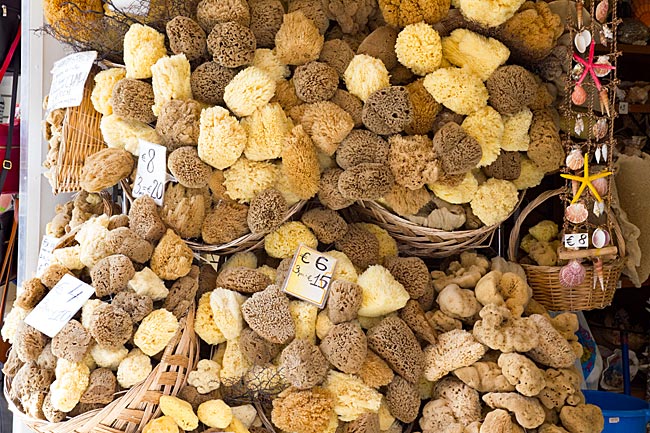
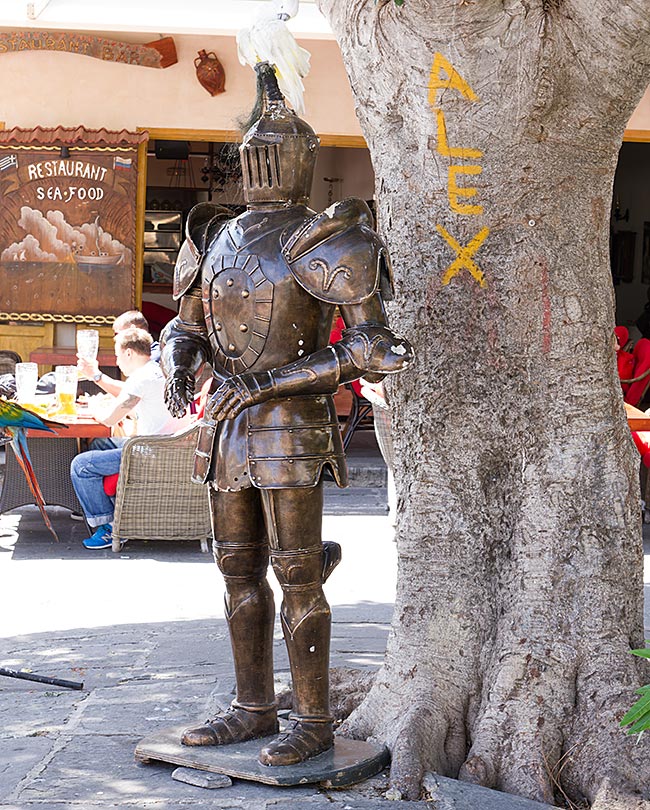
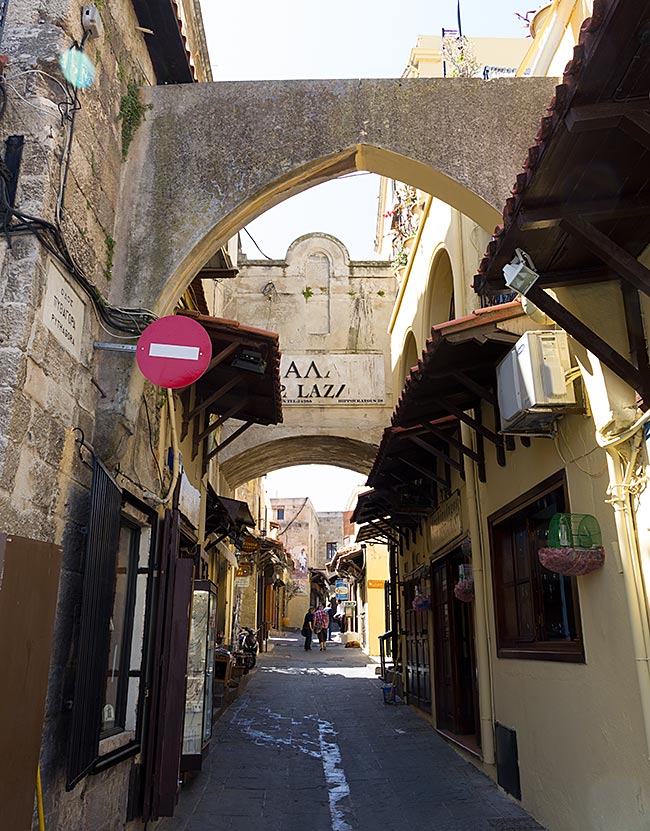
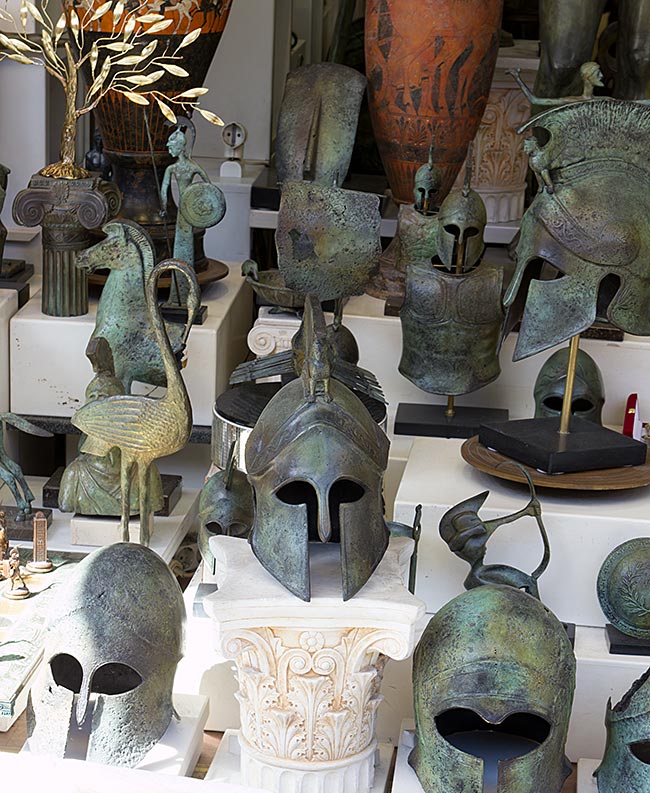
The atmosphere becomes less religious just a few meters away on Sokratou Street; the road leading toward Ippokratou Square is one of the most popular shopping streets and is accordingly busy. In addition to offerings for "the culinary palate" (dining and refreshments), items such as natural sponges are sold; their harvest on the neighboring island of Simi (Symi) was one of the primary sources of income for locals until the mid-1960s. Naturally, products from the "arms industry" are also not to be missed - knights large and small, made of plastic or metal, in solid colors or multicolored patterns, expensive or inexpensive, stylish or cheap.
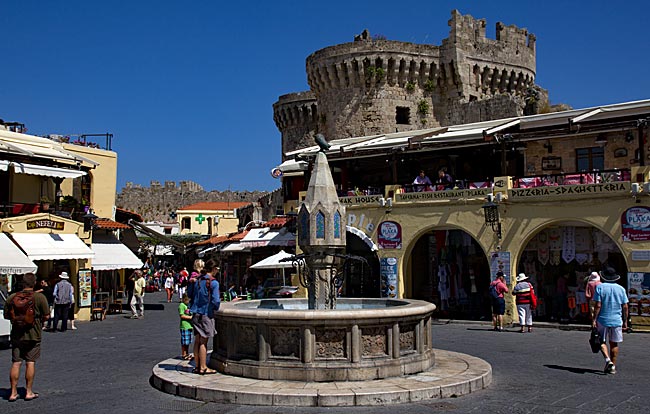
At Ippokratou Square, which features a handsome fountain at its center, one must firmly resist the promoters trying to lure visitors into one of the many nearby restaurants. If you decide to indulge, you can watch the lively bustle from the shade of the Marine Gate (Pili Thalassini) before continuing on, as there is still so much more to see in the old town.
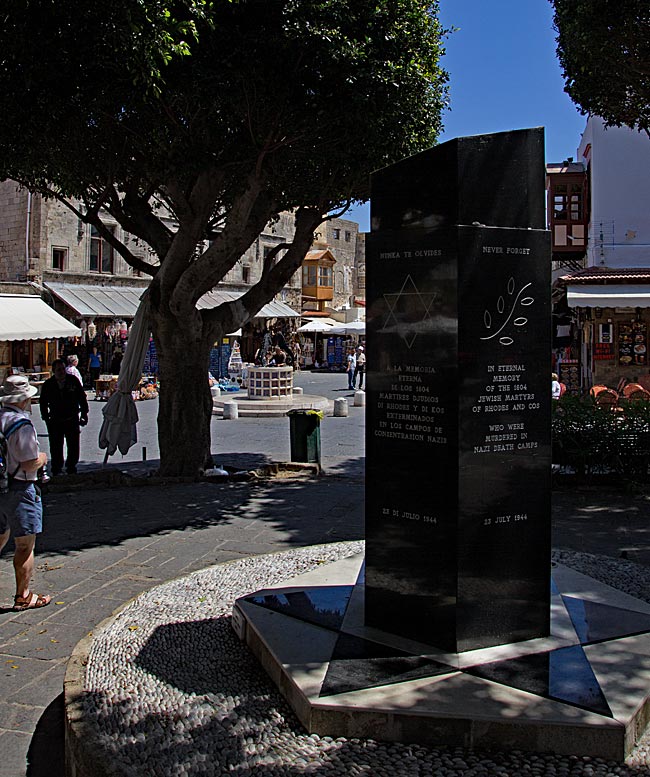
Following the flow of visitors coming from Sokratou and heading in the same direction across Ippokratou Square into what was once the Jewish Quarter - past small shops - you will soon encounter Martyrion Efreon Square (Square of the Hebrew Martyrs). Here, near the Kahal Shalom Synagogue built in 1577, a memorial stands in the shade of trees to commemorate more than 1,500 Jewish residents of the island who were deported by the Germans shortly before the end of the war to the concentration camp of Auschwitz, where most lost their lives, if they had not already perished on the way. Many of their fellow countrymen had already emigrated beforehand.
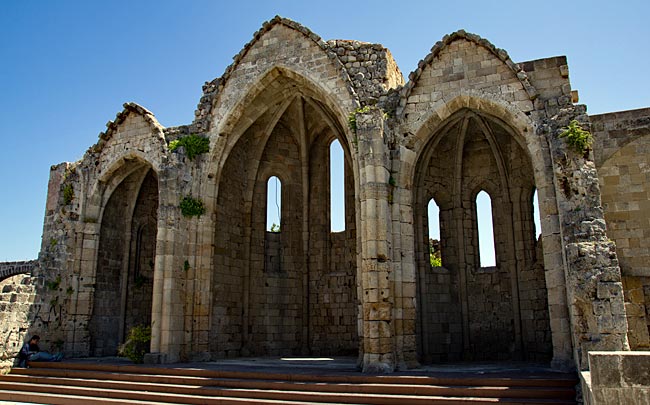
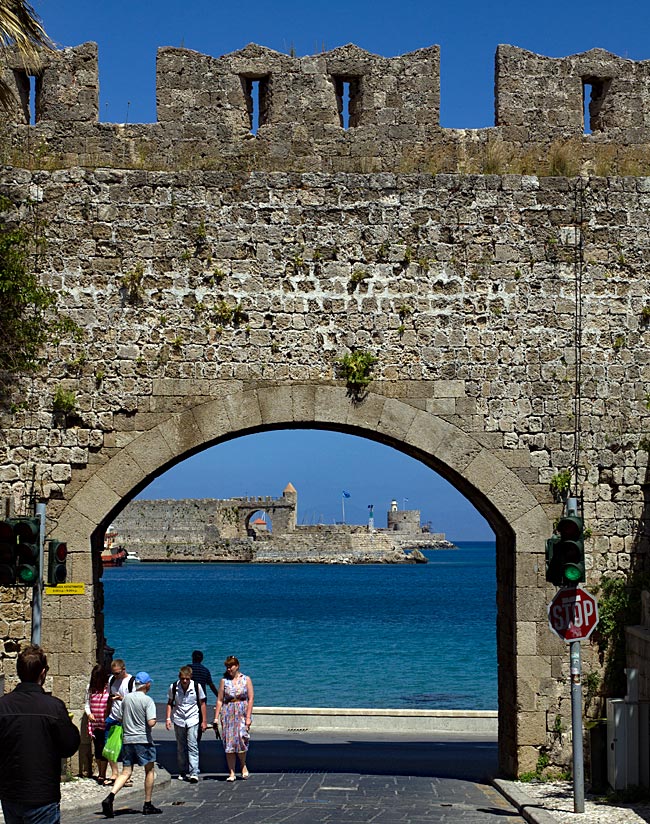
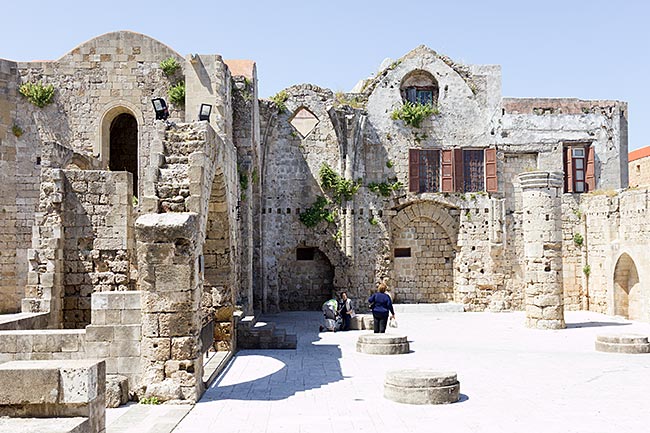
At the end of the street, which leads past a small sea-horse fountain in the square toward venerable houses, you eventually reach the ruins of a 14th-century church. The "Church of the Virgin of the Burgh," as an information board calls it, was built by the Knights Hospitaller shortly after they took over the island. Today, only three apses and a small chapel remain; it is nevertheless a sight worth seeing. At these church ruins, the shopping street ends, and if you aren't drawn through the Marien-Tor (Mary Gate) out of the old town and across the busy main road toward the Castello harbor, you can decide where your path leads next.
Through the Alleys
Even slightly off the main tourist path, beautiful corners can be discovered in the old town of the Rhodian capital. Sometimes you stroll through narrow, winding alleys lined with houses, gardens, and small backyards; other times, unexpected small squares appear at the corner of a building with charming cafés where you can enjoy a drink and a bite to eat in peace, away from the busy and hectic bustle of the main street - occasionally, even a hookah (water pipe) might be on the table.
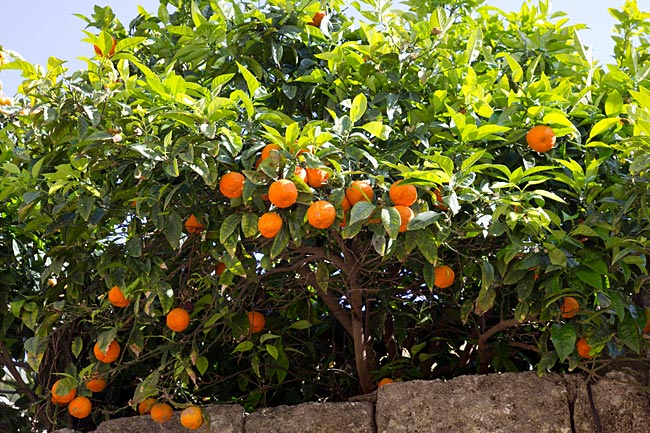
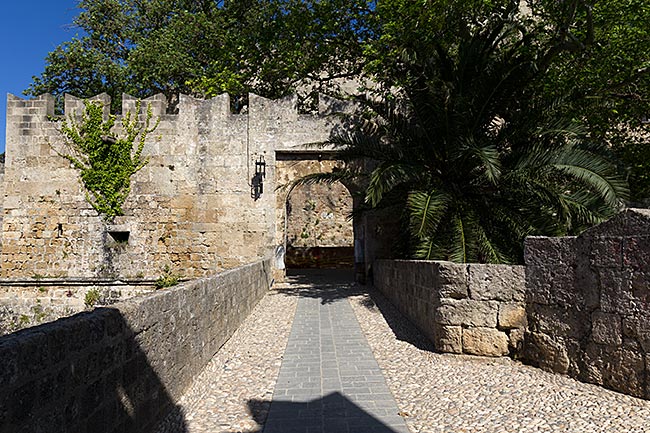
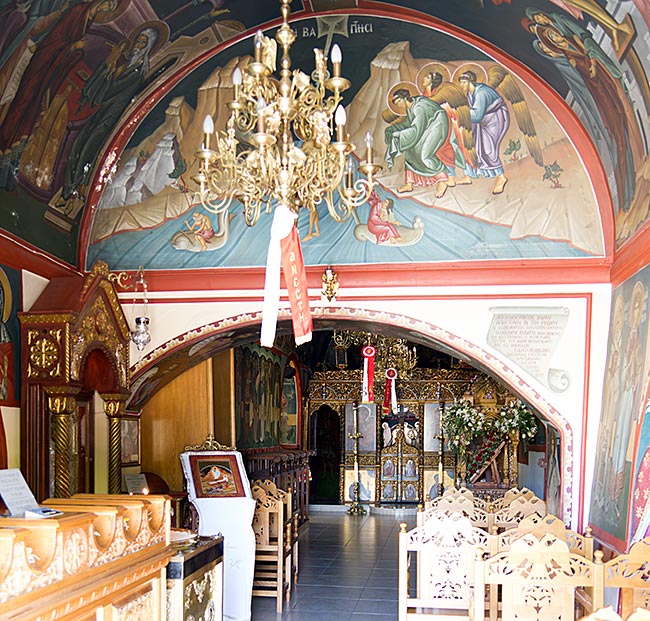
Time and again, you will encounter small old churches and mosques, such as the Ibrahim-Pascha Mosque with its pretty ablution fountain in front. And time and again, the path leads past the large, old city walls or one of their gates.
From the City Center to the Acropolis
Signs for the Acropolis can often be found within Rhodes town. Translated literally from Ancient Greek, the word means something like "upper city" or "high city," but it more specifically refers to the hill or mountain adjacent to an ancient Greek city upon which a fortress - or in later times, other structures such as temples - stood. For those who do not shy away from a short walk, you can hike up the Agios Stefanos (also known as Monte Smith after an English admiral), which rises about 110 meters high.
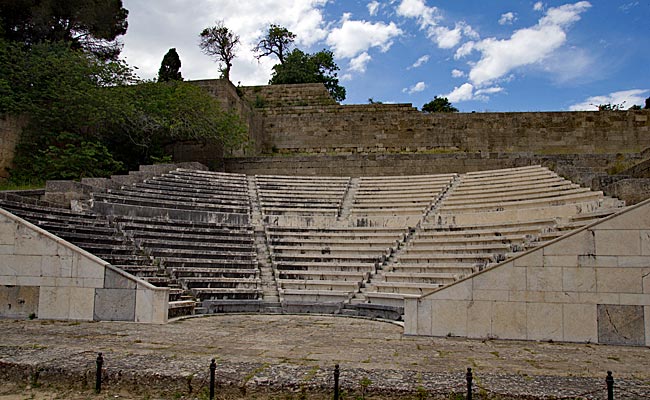
The Italians were also very active at this site. From the ancient stadium dating back to the 3rd century BC, they only found a few rows of seats in the curve; the current facility, which is 190 meters long and 35 meters wide, is a reconstruction that provides a good impression of the competition grounds of that era. The same applies to the theater located diagonally opposite: only the performance area/stage (the orchestra) and three seats in the bottom row are original. Following the Italian reconstruction, the venue can accommodate 800 spectators again.
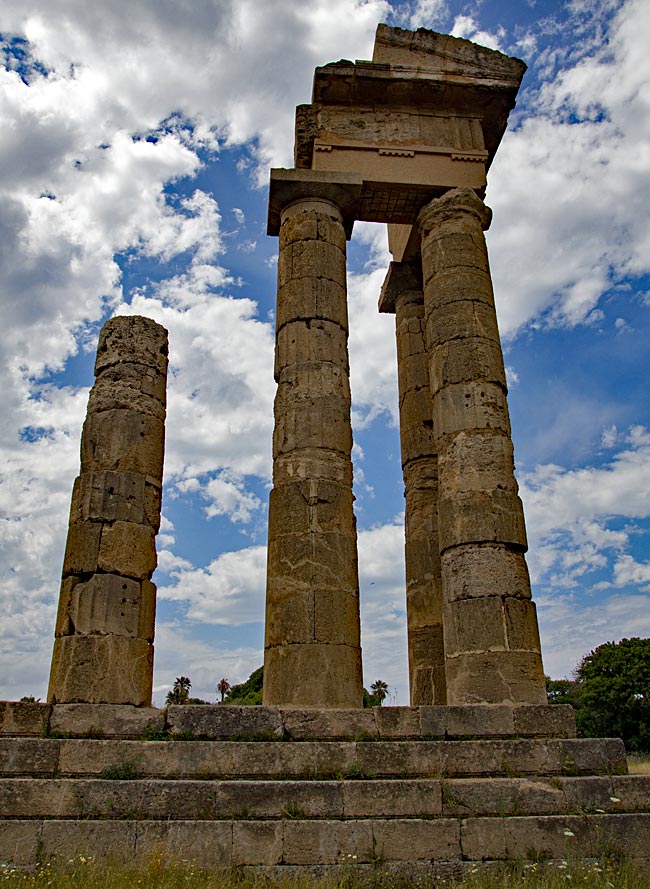
Further up the hill above the theater are the remains of the Temple of Apollo (also known as the Temple of Athena Polias and Zeus Polieus), which can be dated to between the 5th and 3rd centuries BC. The three and a half columns with architrave and syma are partially reconstructed and offer only a small glimpse into what the sanctuary might have looked like once. Beside it, parts of a Hellenistic fountain complex have been unearthed.
A visit to this site is certainly not a "tourist must-have," but it is well worth a visit for the view alone of the town below.
A Brief Historical Overview
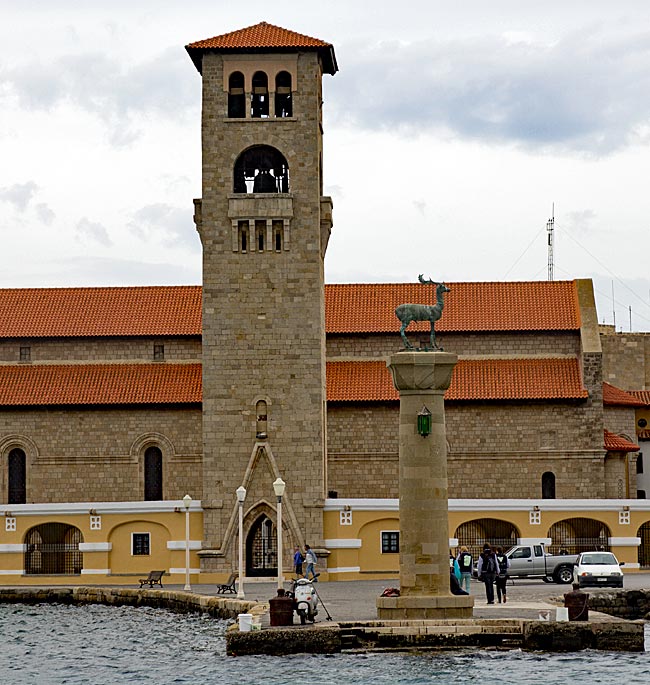
Located between the Aegean and the Levant, within sight of the Turkish coast, the island is the fourth-largest in Greece. Rhodes, with a length of 78 km and a width of 38 km, is significantly smaller than the further southwest island of Crete; it is the main island of the Dodecanese archipelago and has been inhabited by humans since the Bronze Age. After the Minoans and Mycenaeans, Doric Greeks settled the mountainous island in the 11th century BC. They were also those who eventually founded the cities of Ialysos, Kameiros, and Lindos, which over time developed into regionally significant trading posts or culturally significant sites. After being liberated from subsequent Persian rule in the second half of the 5th century BC, the three cities joined together and established a common new capital at the site of today's Rhodes to consolidate their power. It was here that one of the Seven Wonders of the World stood: the Colossus of Rhodes. The bronze statue, over thirty meters high, depicted the sun god Helios, the patron deity of the city; it was completed in 292 BC. The Rhodians worked on the structure for twelve years and erected it (along with others) as a gesture of thanks for successfully resisting a siege by the Diadochi Demetrius I. Poliorketes (305–304 BC). The military commander, who had besieged the city from the sea and during winter from the land with more than 10,000 men, was eventually forced to retreat. Even in antiquity, the Colossus was considered a wonder of the world, but it stood for only about 66 years before being toppled by an earthquake in 226 BC. It is debated exactly where the bronze Helios actually rose toward the heavens, as ancient sources are silent on the matter. A now-debunked legend claims that the two pillars supporting the giant flanked the entrance to the Mandraki harbor. No legend, but a reality, are the pillars to the left and right of the harbor entrance, which carry the island's current symbols: the stag Elafos and the hind Elafina.
In the centuries that followed, the Rhodians saw many masters. The island became part of the Roman Empire; after its collapse, it belonged to the Byzantine Empire; it then became the headquarters of the Knights Hospitaller until they were expelled by the Turks following the capitulation of 1522 and ruled by them until 1912. Then came the Italians; they remained until 1943 and were briefly replaced as the occupying power by Nazi Germany, with fatal consequences for the Jewish portion of the population on the islands of the Dodecanese. It was not until 1948, after the end of the war, that Rhodes and its neighboring islands became part of Greece.
Information
Tourist Info
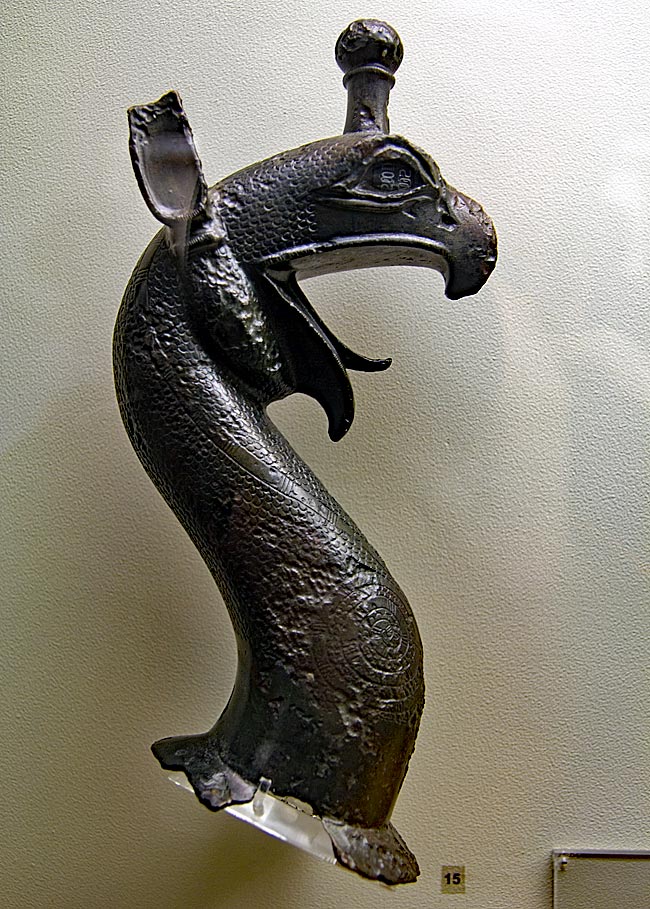
Museum of Modern Greek Art
Jewish Museum
https://www.rhodesjewishmuseum.org
Language
Those who speak a little English will have no problems with communication in the city.
Author's Tips
The journey by local bus is problem-free and one saves themselves the search for a parking space. However, one must expect that buses are overcrowded and may have to wait for the next one. In my experience, departure times are quite well maintained.
Alternatively, one can easily share a taxi with others; the price is often negotiable, even though drivers first refer to the official tariffs. Usually, one pays more when leaving the city than on the journey there, because before drivers drive back into the city without customers from outside, they also take passengers at standard rates. Thus, in a full taxi, you pay hardly more per person than for the bus.
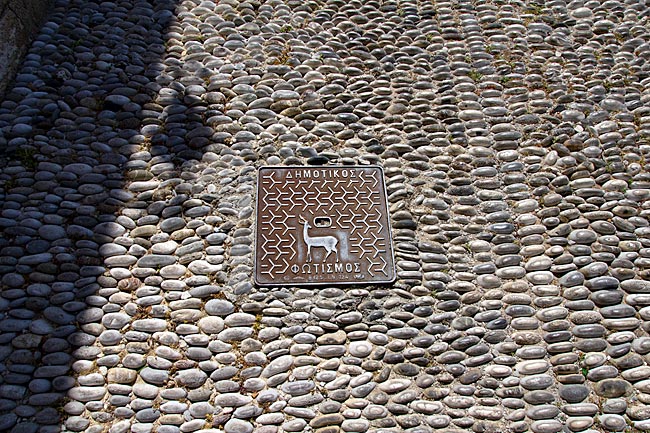
It is recommended to wear flat shoes, because the paving is in many parts of the old town absolutely unsuitable for high heels or the like.
previous page
 next page
Map
More photos
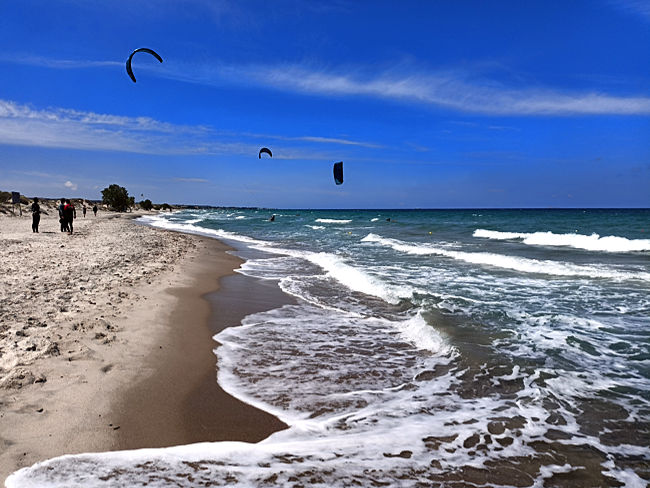
Kos - The Greek Dodecanese Island
A Travel Guide
Greece, the cradle of democracy. While some may think of great philosophers like Plato and Aristotle, or mathematicians such as Archimedes and Euclid; others might think of victorious generals like Alexander the Great, who founded Alexandria in present-day Egypt with its legendary library. Yet others may have sun, beach, Mediterranean flair, or the scent of thyme in mind when Greece is mentioned.
read more about Kos ...
Zakynthos
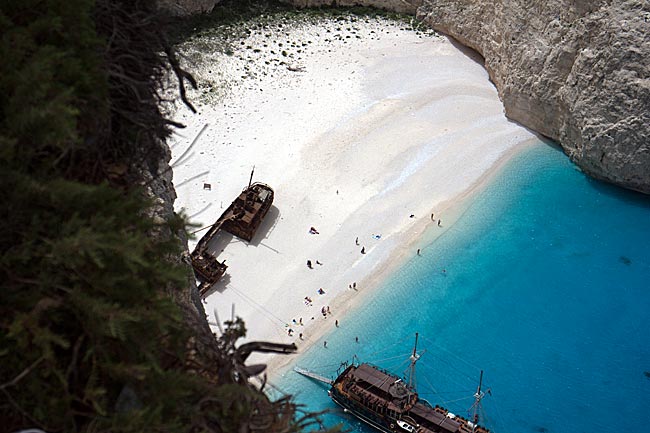
An island defined by the Caretta caretta
When searching for images of the 406 km² island online, one primarily encounters a very common recurring motif that has been captured from a similar angle by various photographers over the years: Navagio Bay on the northwestern coast. It's all junk, right? Well, that is a matter of perspective, and there are plenty of those during the season, whether they have a camera or not. The fact remains, however, that the rusting wreck of the motor vessel "Panagiotis" has become a landmark for Zakynthos.
read more about Zakynthos ...
The "Green" Island of Corfu
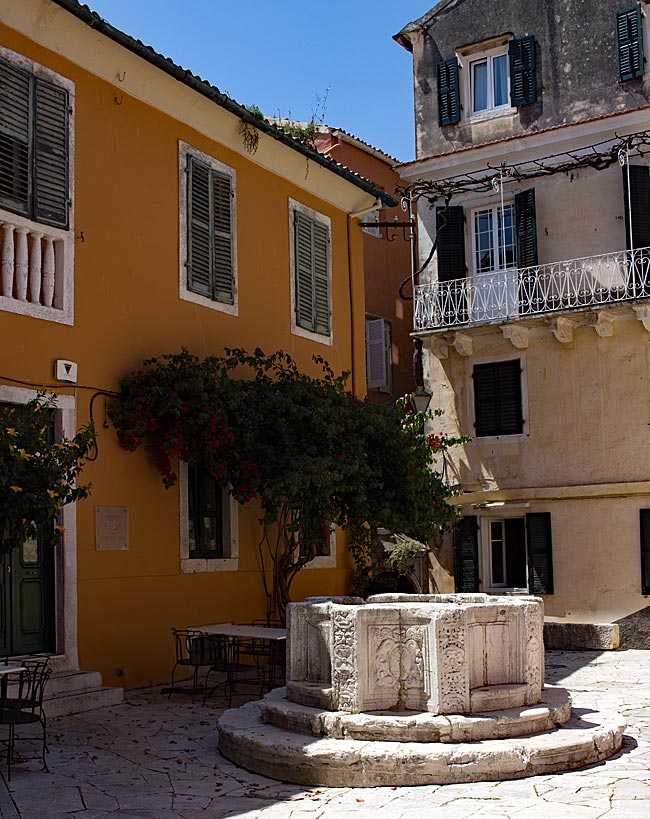
From the sights of the capital, Kerkyra, to the Corfu Trail
The Greeks call not only the city but the island itself Kerkyra. According to legend, it was named after the nymph Gorgyra (also known as Kerkyra), who was brought to the island by the sea god Poseidon. A legend, indeed. In fact, the name appears in a modified form, "Korkyra," on written records as early as 1200 BC. The current name, Corfu, dates back to the Byzantine era. Once an independent island and later the first Roman province of modern Greece, it became part of the Eastern Roman (Byzantine) Empire after the fall of the Western Roman Empire in 395 AD. On a rocky promontory jutting into the sea, the Byzantines built a fortress in the early 6th century and named the city emerging from this core "Koryfo."
read more about Kerkyra ...
Symi
An excursion to the Greek Dodecanese island off the Turkish coast
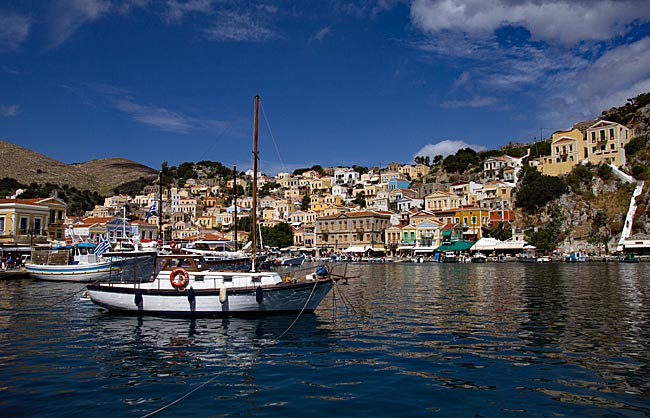
A visit to this sparsely populated rocky island of about 60 square kilometers, with its namesake picturesque harbor town, is part of the standard tour itinerary offered in many locations on the Greek island of Rhodes. From the main island, it takes ships approximately two hours to reach the port of the small island located 23 kilometers north of Rhodes off the Turkish coast, which has belonged to Greece since 1947. As more of the Greek coast recedes into the distance to the port side, the ship draws closer to the Turkish shore; this part of the southern Aegean essentially connects Europe and Western Asia.
read more about Symi ...