
 exploring Bremen & its surrounding areas
 You are here: worth seeing in the surroundings
 Worpswede (2/2)
Barkenhoff
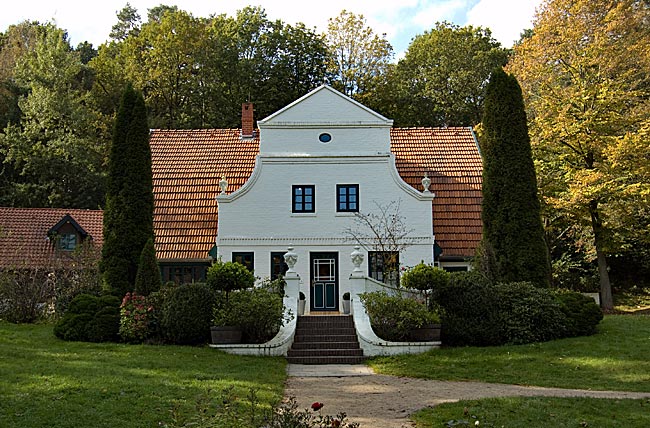
Haupthaus des Barkenhoffs
Die 1981 gegründete Barkenhoff-Stiftung kümmert sich vor allem um die Pflege des Anwesens und des Nachlasses von Heinrich Vogeler, dem ersten Künstler in Worpswede, der neben dem Malen auch kunstgewerblich tätig war, z.B. entwarf er Schmuck, Porzellan, Möbel und Bestecke. Teile seiner Arbeiten sind im Heinrich-Vogeler-Museum in einer 2004 neu konzipierten Ausstellung im Haupthaus des Barkenhoffs (norddeutsch für Birkenhof), Vogelers ehemaliger Wohn- und Arbeitsstätte, zu sehen.
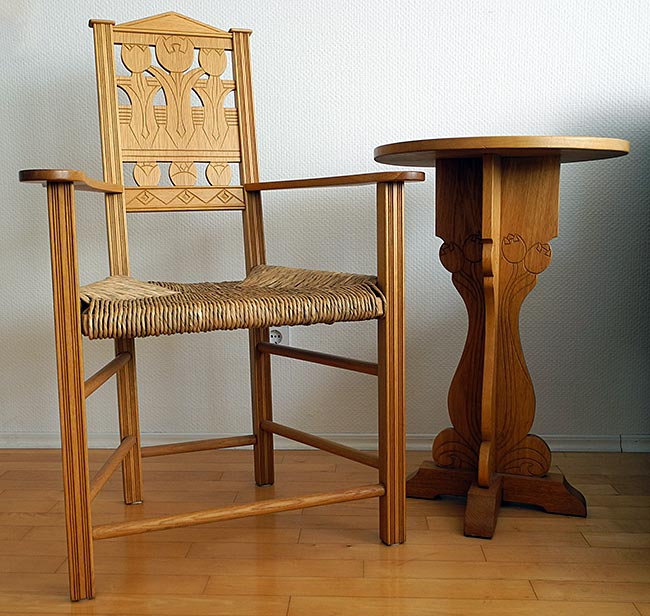
Bis heute werden in Worpswede Möbel nach Vorlagen von Heinrich Vogeler gebaut, wie dieser Armlehnstuhl und Beistelltisch mit typischen floralen Motiven
Barkenhoff
Ostendorfer Str. 10
27726 Worpswede
Phone: 04792 / 3968
www.barkenhoff-stiftung.de
Große Kunstschau Worpswede
Neben Sonderausstellungen und zeitgenössischer Kunst werden vor allem Werke der ersten Worpsweder Maler gezeigt. Bilder von Fritz Mackensen, Fritz Overbeck, Otto Modersohn, Hans am Ende sind ebenso zu sehen wie Werke von Paula Modersohn-Becker. Das Werk „Sommerabend“ (1905) von Heinrich Vogeler ist eines der wichtigsten Werke der Sammlung.
Große Kunstschau Worpswede
Lindenallee 5
27726 Worpswede
Phone: 04792 / 1302
Email: info@kulturstiftung ohz.de
www.kulturstiftung-ohz.de
Haus im Schluh
Das Haus im Schluh war eine alte Moorkate, bevor Martha Vogeler, Heinrich Vogelers Frau, mit den drei gemeinsamen Kindern 1920 dort einzog. Mit Unterstützung von Vogeler war das Haus wieder aufgebaut worden. Neben zahlreichen Möbeln aus dem Barkenhoff, die Vogeler selbst entworfen hatte, überließ er ihr alle Rechte an seinen Vorkriegswerken. Das Haus wird immer noch vor der Familie betreut und zeigt in einer umfangreichen Sammlung auch Werke Heinrich Vogelers. Teile der Gebäude werden als Pension genutzt und es gibt einen Kaffeegarten.
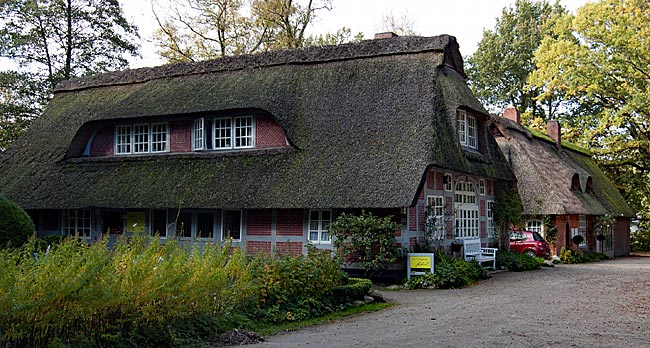
Haus im Schluh
Haus im Schluh
Heinrich-Vogeler-Stiftung
Im Schluh 35 - 37
27726 Worpswede
Phone: 04792 / 522 u. 950061
www.haus-im-schluh.de
Käseglocke
Der runde fast im Wald liegende Bau aus dem Jahre 1926 war ehemals das Wohnhaus des Schriftstellers und 1. Worpsweder Gästeführers Edwin Koenemann. Angelehnt ist der kurios anmutende hölzerne Bau an einen Entwurf des Architekten Bruno Taut von 1921. Die unter Denkmalschutz stehende Hütte, die ihren Namen der ungewöhnlichen Form verdankt, beherrbergt heute das Museum für regionale angewandte Kunst.
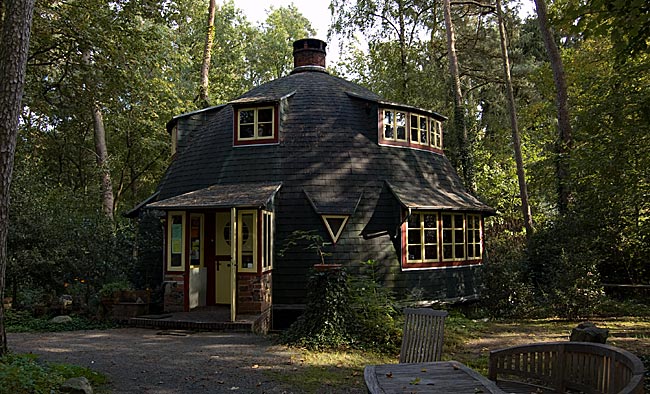
Käseglocke
Käseglocke
Verein Freunde Worpswedes e.V.
Lindenallee, Postanschrift: Bergstraße 17
Worpswede
Phone: 04792 / 1277
Museum am Modersohnhaus
Das Museum am Modersohnhaus liegt hinter dem historischen Modersohnhaus, das Otto Modersohn von 1897 bis 1921 gehörte und in dem seine Frau, die Malerin Paula Modersohn-Becker, im Kindbett starb. Während im historischen Holzbau alles an das Künstlerpaar erinnert, finden sich im modernen Museumsanbau auch Werke weiterer Maler vor allem der ersten Generation der Worpsweder Künstler wie Mackensen, Overbeck, am Ende, Vinnen und Vogeler.
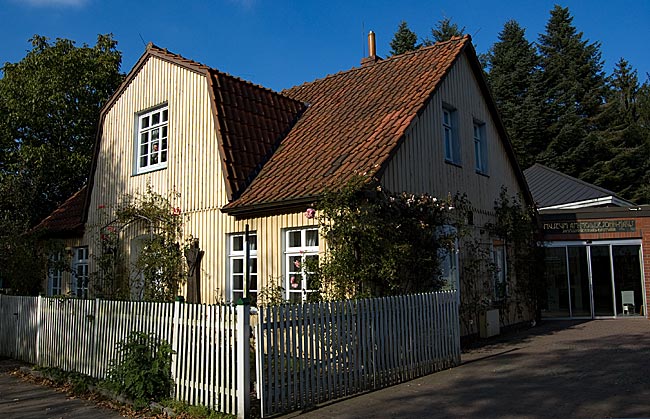
Modersohnhaus mit angrenzendem Museum
Museum am Modersohn-Haus
Hembergstraße 19
Worpswede
Phone: 04792 / 4777
www.museum-modersohn.de
Niedersachsenstein
Aus der Ferne sieht der 18 Meter hohe Niedersachsenstein fast aus wie ein Adler. Das Monument aus Ziegelsteinen, das nach einem Entwurf von Bernhard Hoetger 1922 errichtet wurde, erinnert an Männer aus der Region, die als Soldaten im Ersten Weltkrieg fielen.
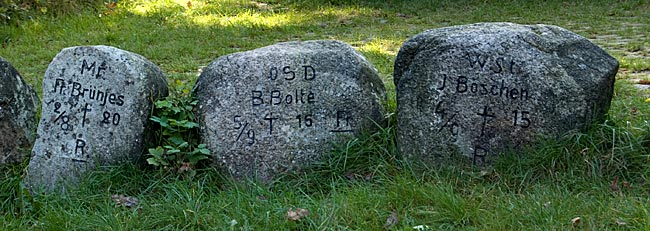
Gedenksteine
Einige der Namen sind in Feldsteine gehauen, die den Bau im Halbkreis umgeben. Die expressionistische Großplastik gilt als kunsthistorisch bedeutend, wenngleich sie nicht unumstritten ist, denn ursprünglich sollte sie als Siegesdenkmal fungieren.
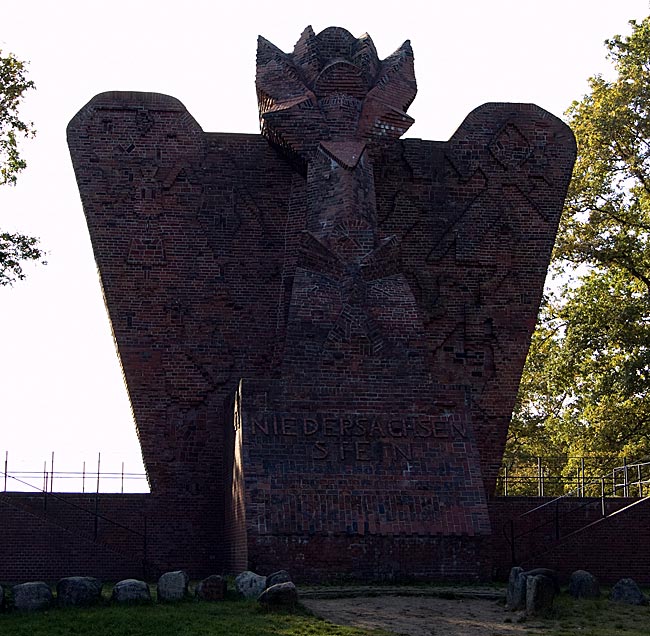
Niedersachsenstein
previous page
 next page
Map
Further information
Official Website of Worpswede: www.worpswede.de/worpswede
Artists' Houses in Worpswede:
www.kuenstlerhaeuser-worpswede.de
Músic Hall: https://musichall-worpswede.eu
Directions:
By public transport, you can reach Worpswede relatively quickly from Bremen Hauptbahnhof by bus.
By car from Hamburg via the A1 (exits: Sittensen, Bockel, Stuckenborstel, Posthausen, and Oyten) or via federal roads B73 and B74. From Hannover via the A7 and A27 (exits: Bremen-Horn/Lehe; Bremen-Industriehäfen/Ritterhude; Bremen-Burg/Lesum/Osterholz-Scharmbeck; Schwanewede).
For cyclists, the Jan Reiners Weg offers a well-developed route to Worpswede. Skilled and fast riders should plan about 1 hour for one way, while others may need approximately half an hour more.
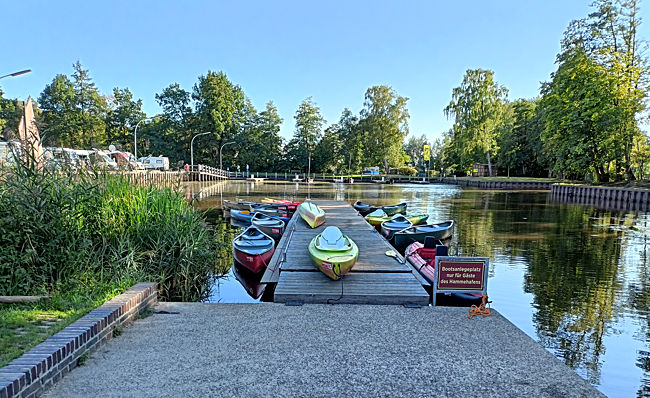
Neu-Helgoland (New Heligoland) / Hamme Harbor Worpswede
From April to October, the Hamme Harbor in Worpswede attracts many day visitors, weekend trippers, cyclists, and campers. The campsite operators run not only a bistro & beer garden with waterside seating but also rent out kayaks and canoes. Those who don’t want to paddle on the Hamme themselves can instead book an excursion trip aboard one of the Adolphsdorf Peat Boats. Food and drinks are also available just a few meters from the harbor at "Hamme Hütte Neu Helgoland." Tip: A great bike trip destination from Bremen!
read more ...
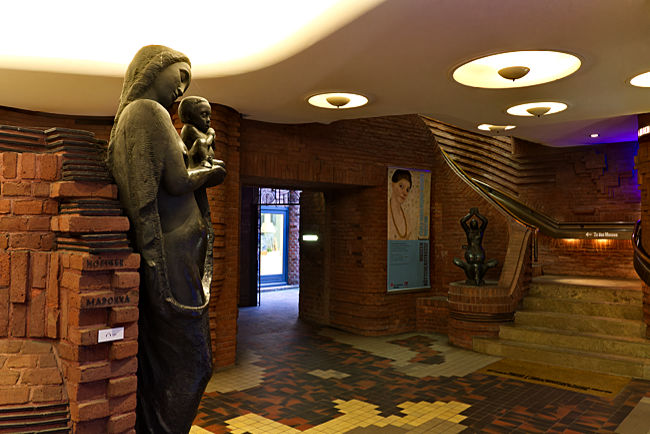
Böttcherstraße
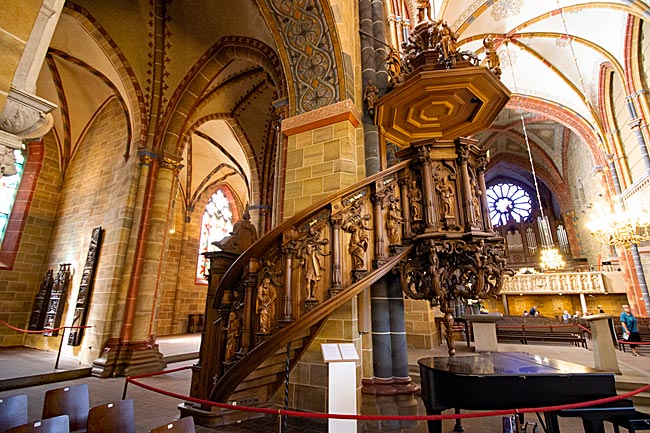
Ludwig Roselius' great affection for art is particularly evident in the Paula Becker-Modersohn House. It was not only the first museum dedicated to a female artist but also attracted worldwide attention due to its exterior walls sculpted by Bernhard Hoetger and its dynamically designed interior spaces, sparking numerous discussions. Today, the museum in the house built in 1926/27 presents the most comprehensive collection of paintings by Paula Modersohn-Becker.
read more ...
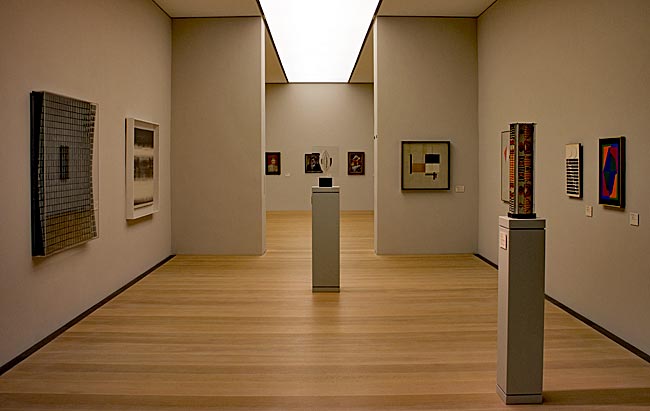
Kunsthalle Bremen
The core of the Kunsthalle's collection consists of European painting from the Middle Ages to the present day. A particular focus is on French painting of the 19th and 20th centuries, which is primarily represented by one of the largest collections of Delacroix's works. German Impressionism is another key highlight, featuring works by artists such as Liebermann, Corinth, and Slevogt. The collection also includes painters from the renowned Worpswede artist colony near Bremen, such as Heinrich Vogeler and Otto Modersohn.
read more ...
Schnoor
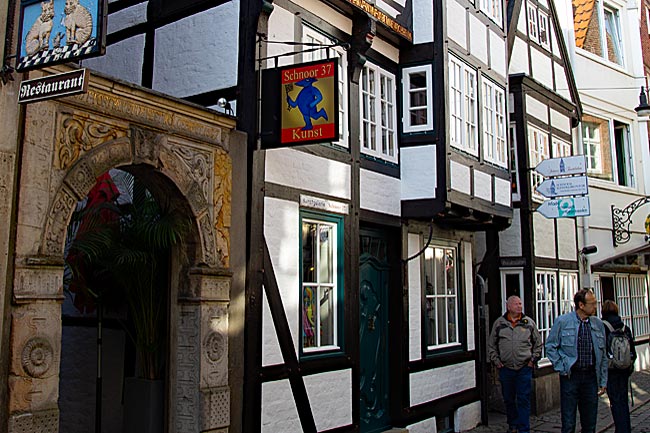
Bremen's oldest preserved neighborhood is the Schnoor. In earlier times, this area was primarily inhabited by fishermen and sailors, as it was here that the Balge - a tributary of the Weser - ran, and one of Bremen's first harbors was located. Many of the small houses date back to the 17th century or have been reconstructed based on historical models. The house at No. 15 in Schnoor Lane, built in 1402 on medieval foundations, is one of the oldest structures in the Schnoor, alongside the Packhaus (1401).
read more ...
Das Viertel (The Quarter)
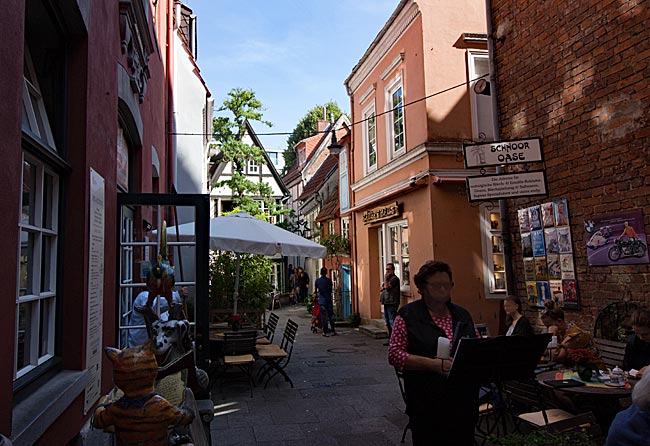
Although the area around the two main streets and their many small side streets partly belongs to the Mitte district and partly to the Eastern Suburb, the locals simply call this quarter "the Viertel." It is loved, hated, feared, and much more. Perhaps in no other neighborhood of the Hanseatic city have contrasts been so openly and sometimes even violently evident over decades as they have been in the Viertel.
read more ...
Übersee-Museum (Overseas Museum)
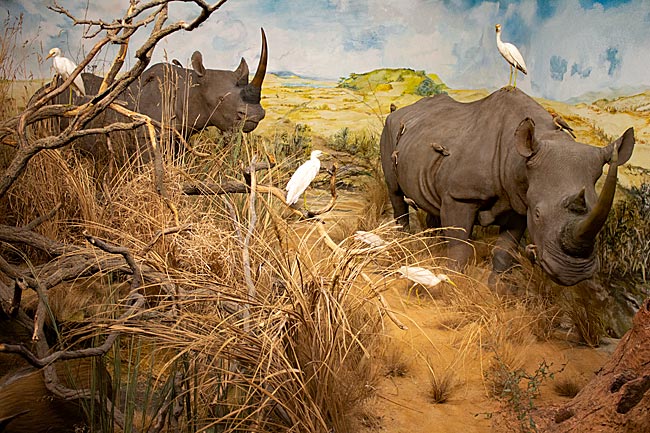
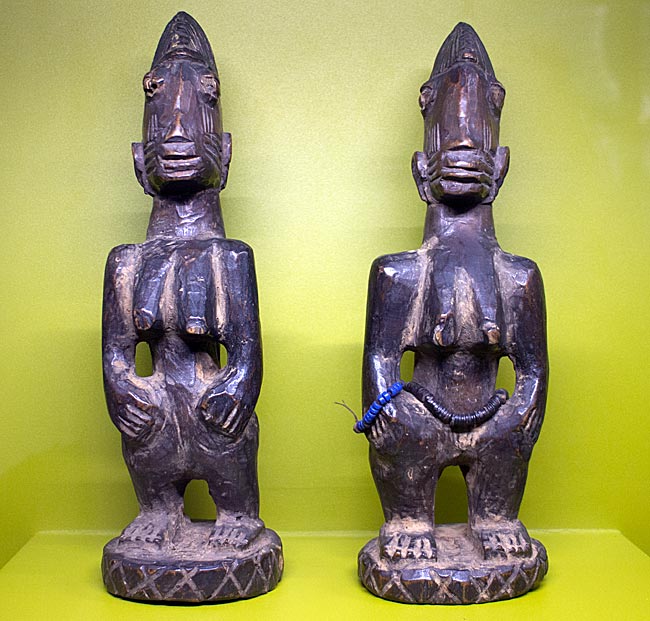
In 1896, what is now known as the Übersee-Museum first opened its doors under the name 'Municipal Museum for Natural History, Ethnology, and Commerce.' The exhibits initially came from the 'Municipal Collections of Natural History and Ethnography,' which were partly displayed as a 'Trade and Colonial Exhibition' at the 'Northwest German Trade and Industry Exhibition' in 1890 with great success. Since its founding, the museum's concepts have changed several times, evolving toward a stronger focus on museum education that continues to this day.
read more ...
Artists' colony & peasant village: Fischerhude
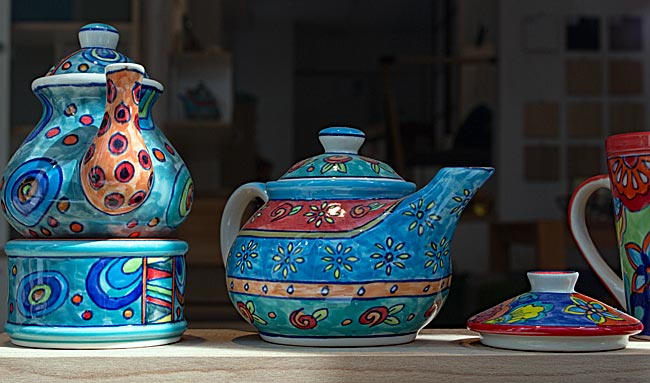
Signposts make it clear to every previously unaware visitor that this place differs significantly from many other traditionally agricultural villages. Fischerhude is hip. Numerous cafés and restaurants, ceramics studios, art galleries, a local history museum, the Modersohn Museum, and more vie for the favor of an audience that is sometimes more and sometimes less interested in art but regularly strolls through Fischerhude in large numbers.
read more ...