
 exploring Bremen & its surrounding areas
 You are here: worth seeing in the surroundings
 Worpswede (1/2)
For a longer excursion, the village of Worpswede, located about 25 kilometers northeast of Bremen in the Teufelsmoor (Devil's Moor), is absolutely recommended. Particularly for art enthusiasts, this place - once a small, unknown moorland village in Lower Saxony and now a renowned artists' colony far beyond its borders - is a paradise.
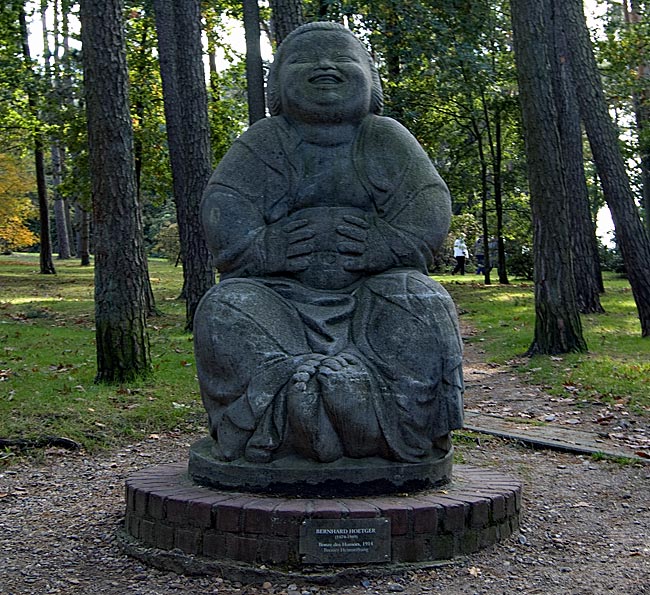
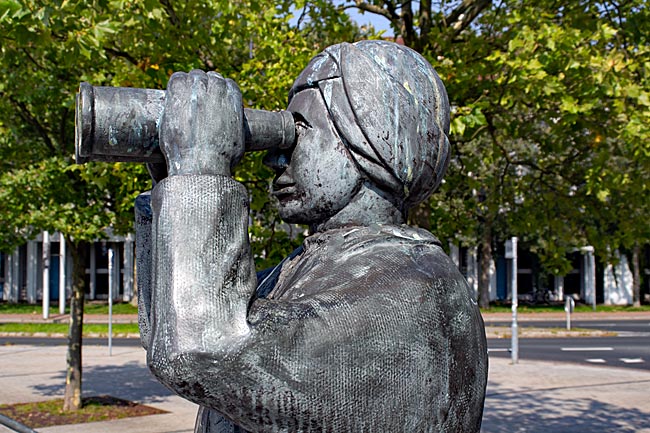
"Bonze des Humors", 1914 designed by Bernhard Hoetger. Today stands in the park in front of the Große Kunstschau Worpswede
In 1889, the painters Fritz Mackensen, Otto Modersohn, and Hans am Ende laid the foundation for this art center with their decision to work and live in the previously unknown village. They were quickly followed by other artists such as the painter Paula Becker, the poet Rainer Maria Rilke, Clara Rilke-Westhoff, Fritz Overbeck, Heinrich Vogeler, and later the sculptor, painter, and craftsman Bernhard Hoetger, after whose designs, among others, the Paula-Becker-Modersohn-House in Bremen's Böttcherstraße was built. The picturesque landscape of Teufelsmoor around the village particularly inspired the artists, who in turn captivated urban art audiences with their works, drawing large numbers to Worpswede.
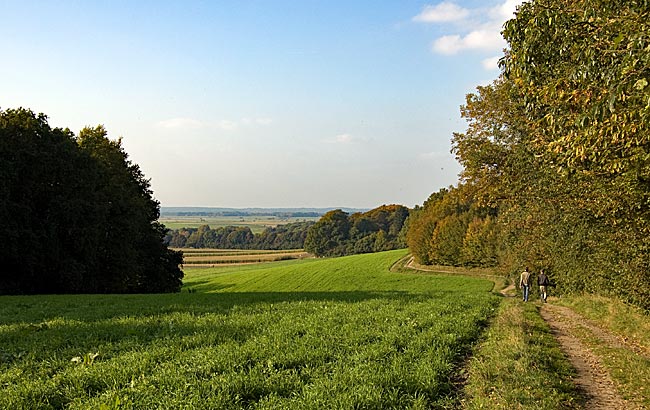
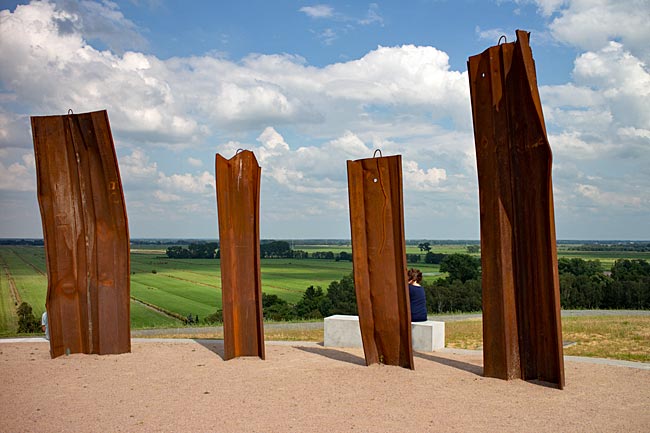
View from Weyerberg near Niedersachsenstein
Paula Modersohn-Becker is considered a significant pioneer of modernism. The painter, married to Otto Modersohn, became known primarily for her elemental human depictions. The works of the artist, who died young at the age of 31, fascinated Bremen merchant Ludwig Roselius so much that he dedicated an entire museum to her - the Paula-Modersohn-Becker-Museum in Böttcherstraße - which, by the way, was the first museum ever dedicated to a female artist.
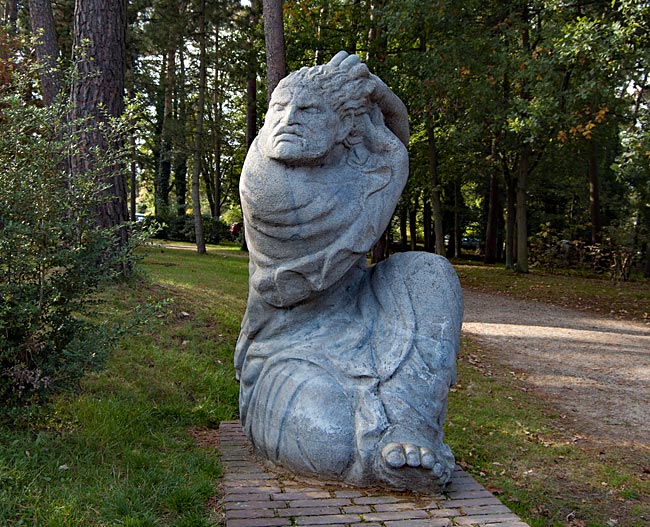
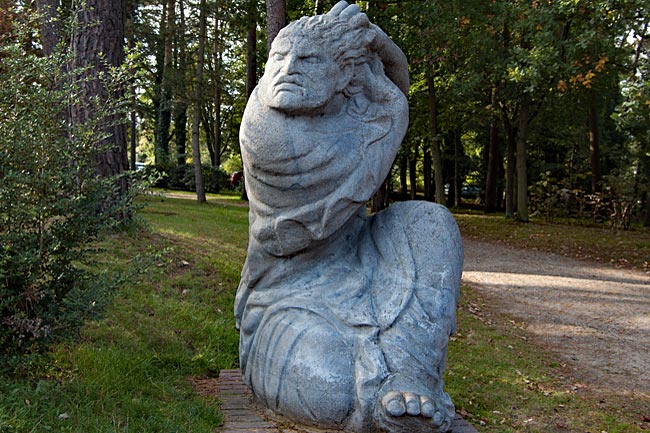
One of many sculptures
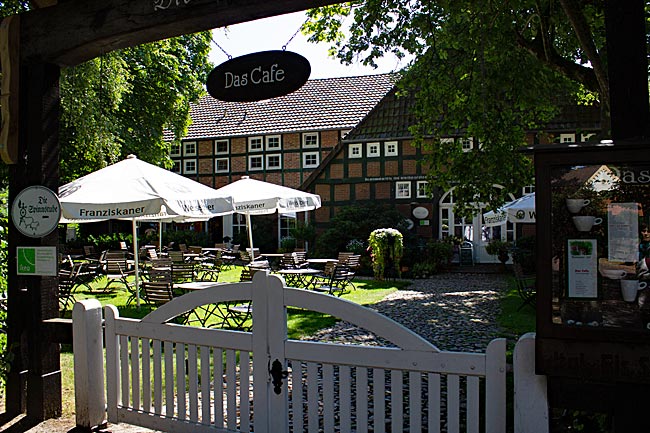
Since the first generation of artists, art and culture have evolved multiple times and branched into new directions. Thus, visitors encounter not only the works of Old Masters but also those of over 100 contemporary artists and craftspeople from various disciplines who now live and work here. With such a wide range, there is something for every taste and budget in the numerous small and large shops, studios, and workshops. Those who have walked their feet off can stop by one of the many cafés and restaurants to enjoy the pleasant atmosphere of the place with a refreshing drink.
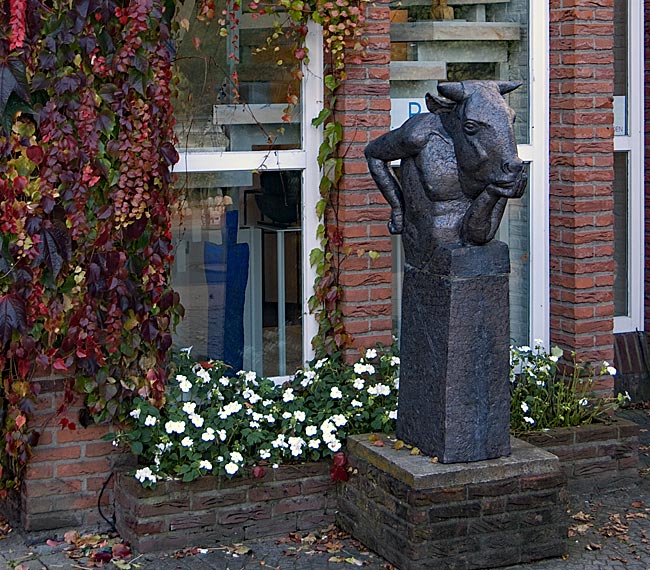
Sculpture in front of a sculptor's workshop
The local art scene is enriched by international artists supported, among others, by scholarships from the state of Lower Saxony. They live and work for up to 12 months in the 11 studios of the Atelierhaus-Verein Worpswede e.V. and the Barkenhoff Foundation, the artists' houses of Worpswede. The works of these artists from the fields of visual arts, literature, and music regularly reach the public. Over the past 30 years, more than 400 scholarship holders from around 35 countries have found their way to these institutions.
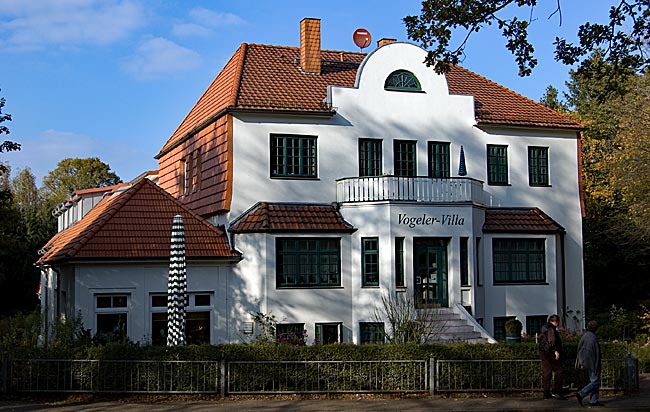
Villa built by Heinrich Vogeler. This heritage-protected building now houses a retirement and nursing home
Last but not least, Worpswede is also a regular destination for many music fans. For years, renowned artists have performed music ranging from jazz to hard rock at the regionally famous Music Hall Worpswede. Visitors and creatives alike appreciate the refined and almost familial club atmosphere in this thatched-roof building. The Music Hall is operated by a registered association of the same name.
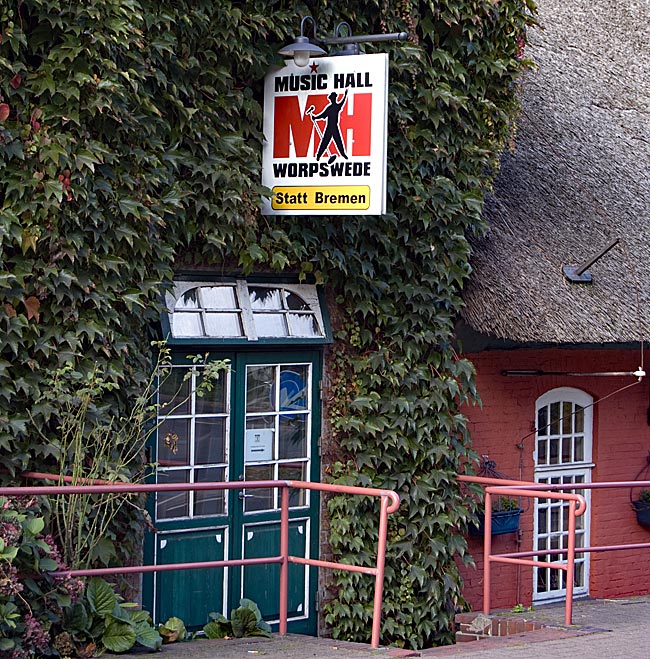
A destination for many music fans
previous page
 next page
Map
Further information
Official Website of Worpswede: www.worpswede.de/worpswede
Artists' Houses in Worpswede:
www.kuenstlerhaeuser-worpswede.de
Músic Hall: https://musichall-worpswede.eu
Directions:
By public transport, you can reach Worpswede relatively quickly from Bremen Hauptbahnhof by bus.
By car from Hamburg via the A1 (exits: Sittensen, Bockel, Stuckenborstel, Posthausen, and Oyten) or via federal roads B73 and B74. From Hannover via the A7 and A27 (exits: Bremen-Horn/Lehe; Bremen-Industriehäfen/Ritterhude; Bremen-Burg/Lesum/Osterholz-Scharmbeck; Schwanewede).
For cyclists, the Jan Reiners Weg offers a well-developed route to Worpswede. Skilled and fast riders should plan about 1 hour for one way, while others may need approximately half an hour more.
Neu-Helgoland (New Heligoland) / Hamme Harbor Worpswede
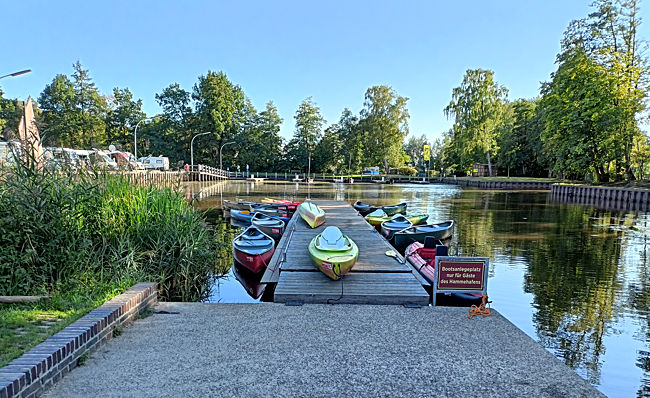
From April to October, the Hamme Harbor in Worpswede attracts many day visitors, weekend trippers, cyclists, and campers. The campsite operators run not only a bistro & beer garden with waterside seating but also rent out kayaks and canoes. Those who don’t want to paddle on the Hamme themselves can instead book an excursion trip aboard one of the Adolphsdorf Peat Boats. Food and drinks are also available just a few meters from the harbor at "Hamme Hütte Neu Helgoland." Tip: A great bike trip destination from Bremen!
read more ...
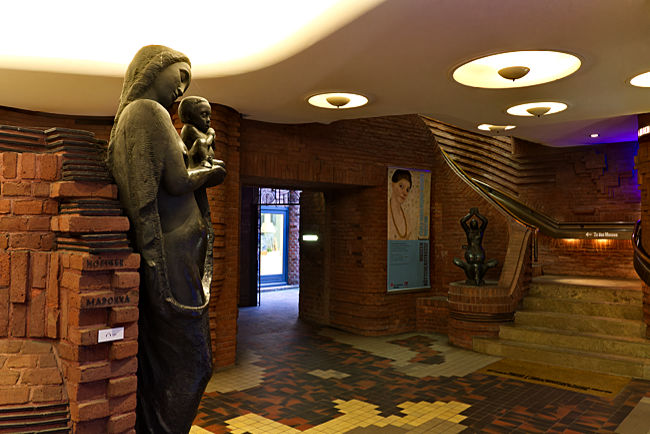
Böttcherstraße
Ludwig Roselius' great affection for art is particularly evident in the Paula Becker-Modersohn House. It was not only the first museum dedicated to a female artist but also attracted worldwide attention due to its exterior walls sculpted by Bernhard Hoetger and its dynamically designed interior spaces, sparking numerous discussions. Today, the museum in the house built in 1926/27 presents the most comprehensive collection of paintings by Paula Modersohn-Becker.
read more ...
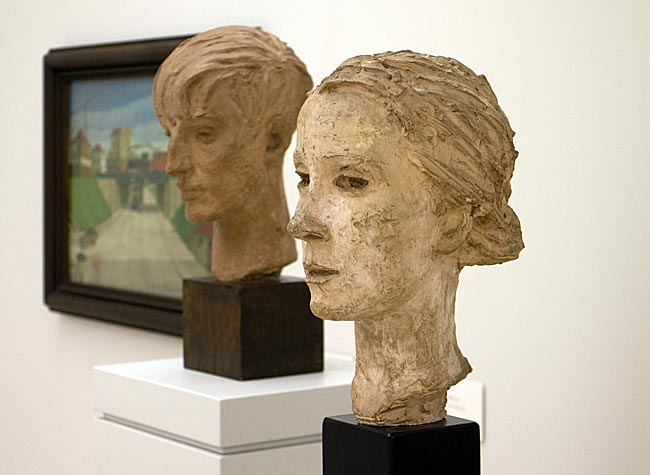
Kunsthalle Bremen
The core of the Kunsthalle's collection consists of European painting from the Middle Ages to the present day. A particular focus is on French painting of the 19th and 20th centuries, which is primarily represented by one of the largest collections of Delacroix's works. German Impressionism is another key highlight, featuring works by artists such as Liebermann, Corinth, and Slevogt. The collection also includes painters from the renowned Worpswede artist colony near Bremen, such as Heinrich Vogeler and Otto Modersohn.
read more ...
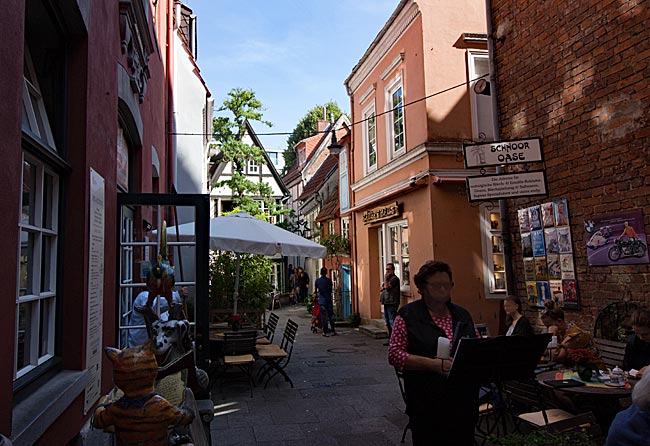
Schnoor
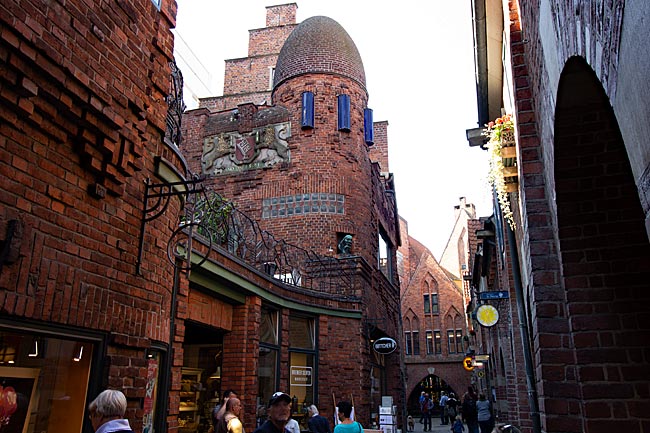
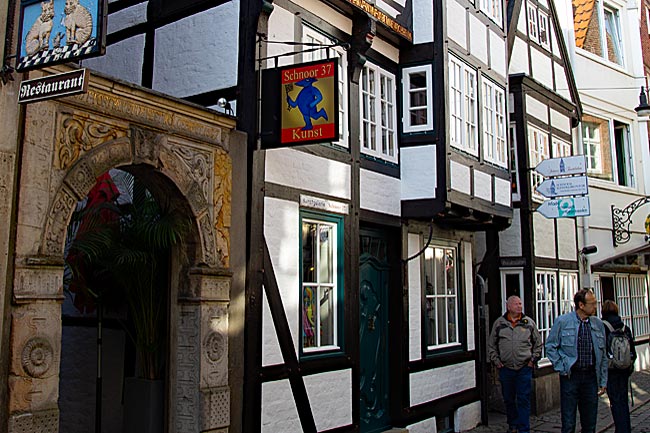
Bremen's oldest preserved neighborhood is the Schnoor. In earlier times, this area was primarily inhabited by fishermen and sailors, as it was here that the Balge - a tributary of the Weser - ran, and one of Bremen's first harbors was located. Many of the small houses date back to the 17th century or have been reconstructed based on historical models. The house at No. 15 in Schnoor Lane, built in 1402 on medieval foundations, is one of the oldest structures in the Schnoor, alongside the Packhaus (1401).
read more ...
Focke-Museum
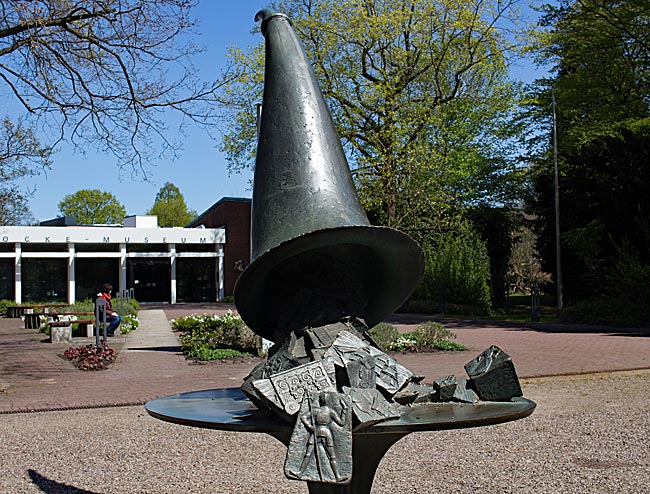
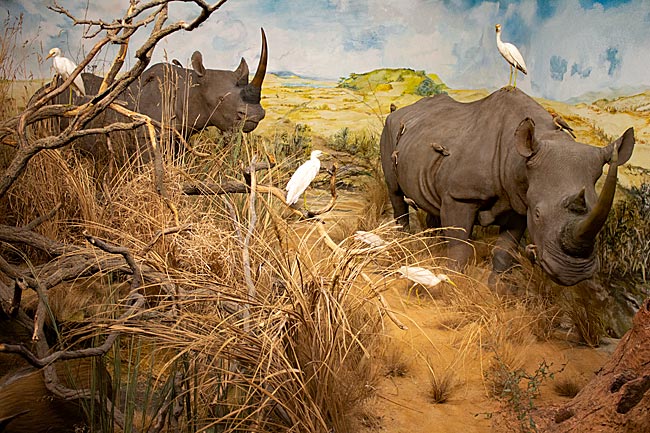
Every city has its history, and in many cities, there is a museum that tells this story. In the Hanseatic city, it is the Focke Museum in the Riensberg district, where urban history is presented most vividly. The "Bremer State Museum of Art and Cultural History" was established in 1924 by merging two collections: the Gewerbemuseum, founded in 1884, and the Historisches Museum für bremische Altertümer (Historical Museum for Bremen Antiquities), founded six years later. The museum's founder, who passed away in 1922, also gave it his name.
read more ...