
 exploring Bremen & its surrounding areas
 You are here: attractions in the city center
 Böttcherstraße (1/2)
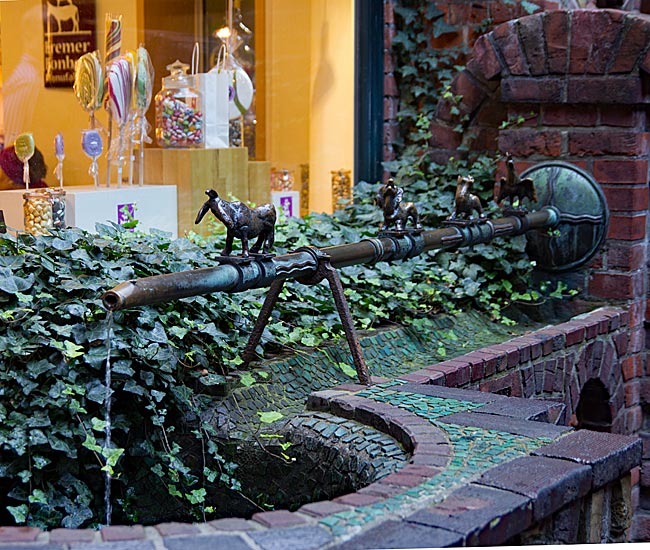
The Bremen Town Musicians at the Sieben-Faulen fountain in the courtyard of Böttcherstraße, in front of the window of Bremer Bonbon Manufaktur
In earlier times, this alley between the market square and the Weser River was home to barrel makers and coopers, which is why it is called Böttcherstraße. The name remains, but the craft and those who practiced it gradually disappeared in the second half of the 19th century as the ports changed.
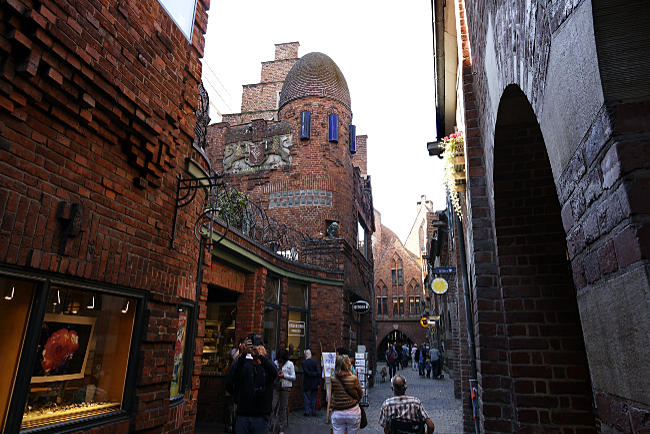
Brick architecture
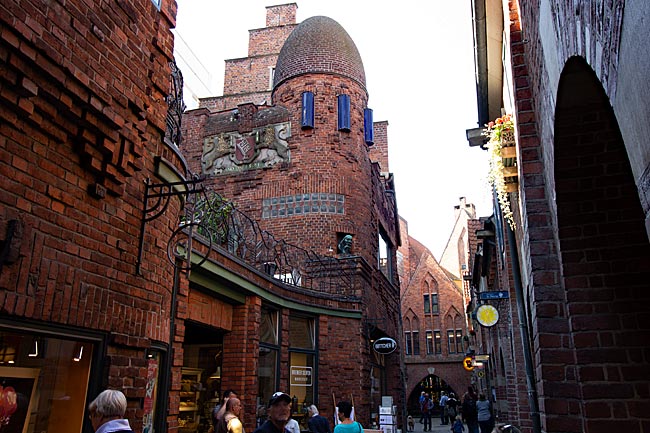
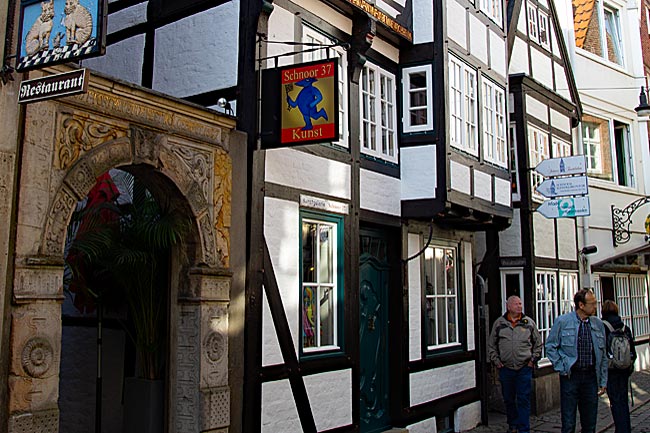
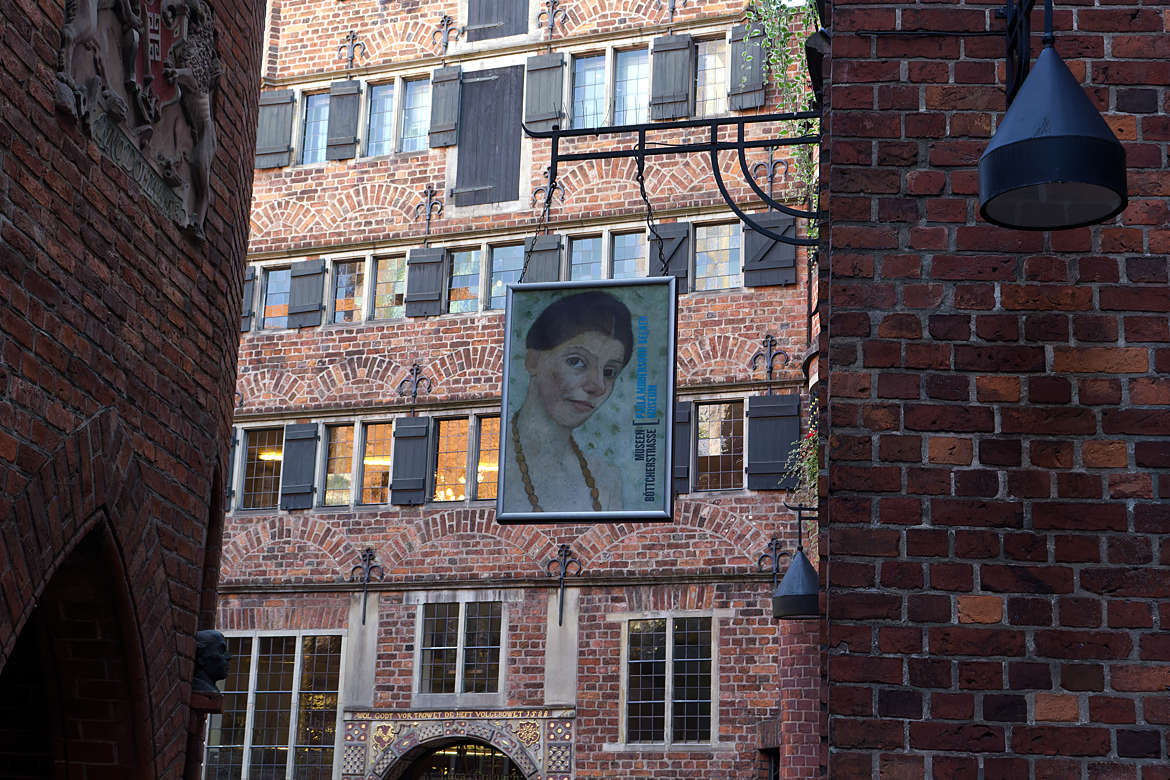
By 1931 at the latest, the name Böttcherstraße was no longer associated with the smell of wood or the sound of hammer blows, but rather with a very special, almost closed ensemble of buildings. Over a length of just over one hundred meters, museums, open art workshops, specialty retailers, gastronomy, and a hotel create a unique atmosphere between brick and sandstone buildings that is unparalleled in Bremen.
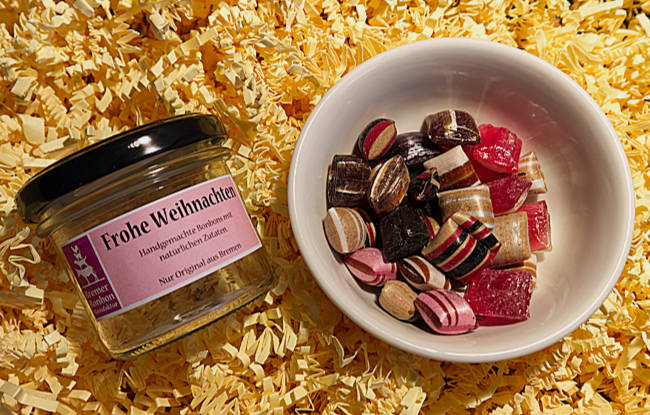
Bonbons from Bremer Bonbon Manufaktur
This small "island" in the heart of the city is thanks to Ludwig Roselius (1874-1943). The wealthy coffee merchant (HAG) was not only a successful businessman but also an art lover and patron, as well as a visionary. In 1902, he purchased the oldest and most beautiful house on the street and used it as the administrative headquarters for his company Roselius & Co., which later became HAG in 1906.
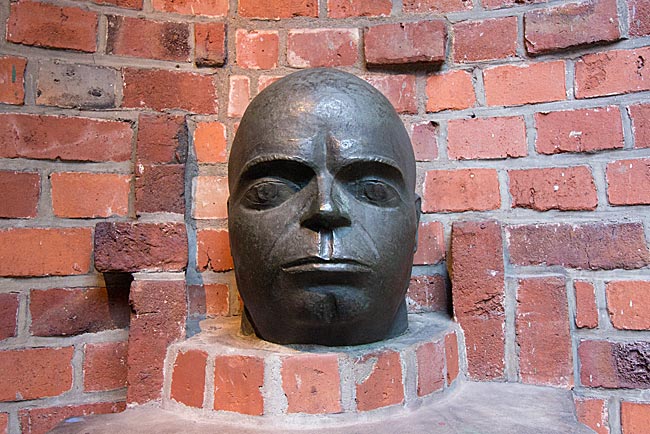
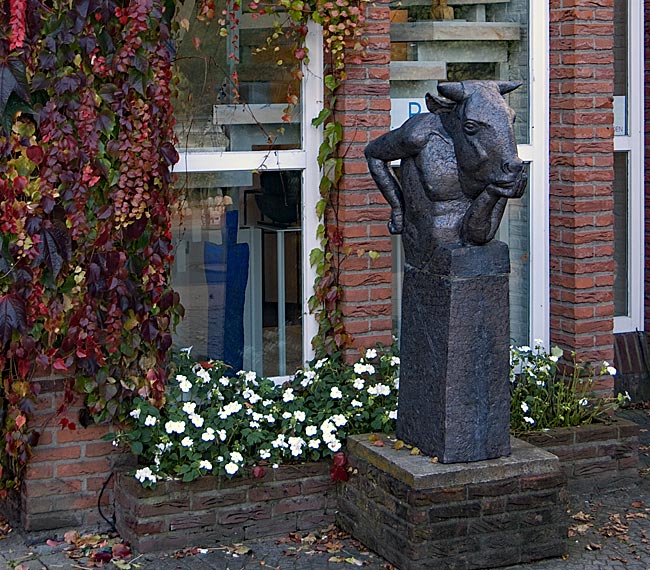
Hoetger bust in the courtyard
The success of his coffee brand HAG was largely due to a patented process for decaffeination that he developed, enabling the first commercial-scale production of decaffeinated coffee. The fact that benzene played a key role in this process - unlike modern methods - sounds rather unappetizing.
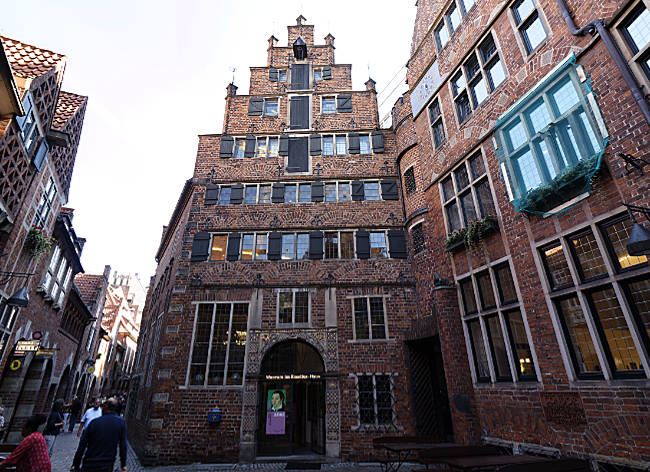
Roselius house
After World War I, from 1922 to 1931, Roselius had further houses on the street renovated, demolished, or newly built. In addition to promoting his coffee brand HAG, he also sought to express his worldview and bring his utopian ideas closer to reality. One of his goals was a revival of Low German culture, including language, art, and craftsmanship. Thus, in 1928, he established a museum with a collection of Low German art in the house he had purchased in 1902—the "Roselius House" Museum. After destruction during World War II, it was restored to its original state as a museum in 1954.
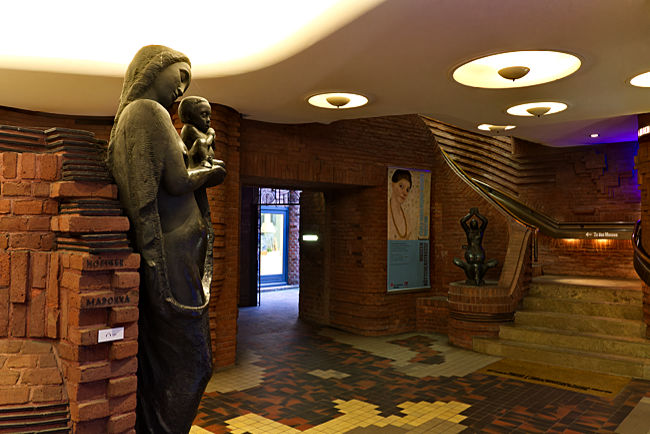
Entrance to the Böttcherstraße Museums, left: Madonna and Child (1912) by Hoetger
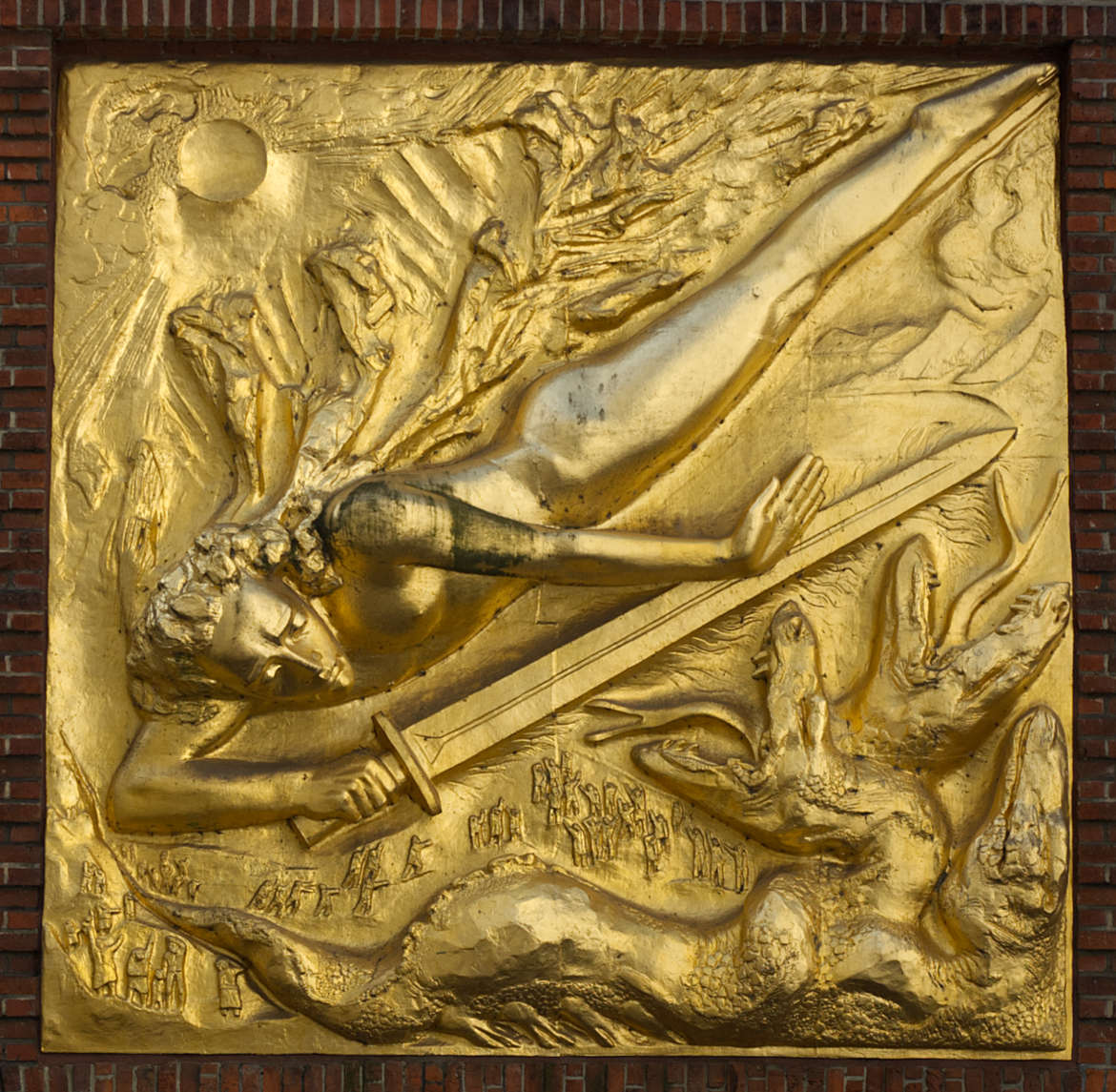
His great love for art is particularly evident in the Paula-Becker-Modersohn-House. It was not only the first museum dedicated to a female artist but also attracted worldwide attention due to its sculptor Bernhard Hoetger’s relief-like exterior walls and the dynamically shaped interior rooms, sparking numerous discussions. Today, the museum in the 1926/27 building presents the most comprehensive collection of paintings by Paula Modersohn-Becker. More artworks by Bernhard Hoetger can be seen, among other places, in the Hoetger-Hof next to the Roselius House, where several bronze sculptures are on display.
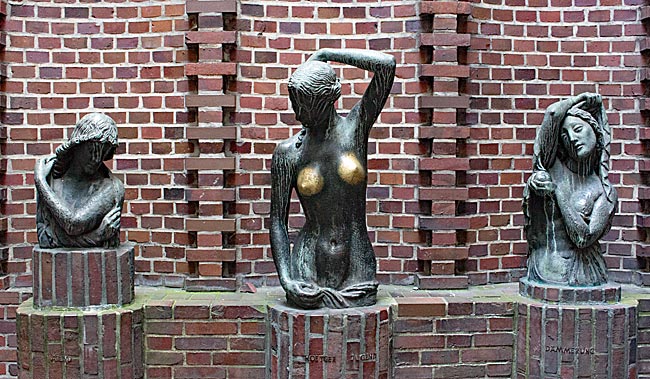
Bronze sculptures "Evening" (1911), "Youth" (1909), and "Twilight" (1912) by Hoetger
previous page
 next page
Map
Further information
Museen Böttcherstraße
Paula Modersohn-Becker Museum
Ludwig Roselius Museum Collection
Bernhard Hoetger
Böttcherstraße 6–10
28195 Bremen
Phone: +49 (0)421 33882-22
Email: info@museen-boettcherstrasse.de
www.museen-boettcherstrasse.de
Opening Hours: Tuesday to Sunday, 11 AM – 6 PM, closed on Mondays
Market Square
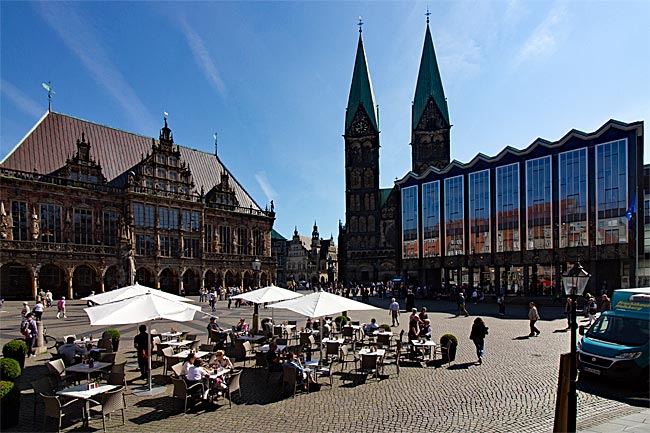
Once as in the present, market square is the political center of Bremen and today also a magnet for thousands of tourists, undoubtedly due to its unique architectural ambiance. Almost unobtrusively and plainly, the Bürgerschaft, the Bremen Parliament, stands next to the magnificent Old Town Hall.
read more ...
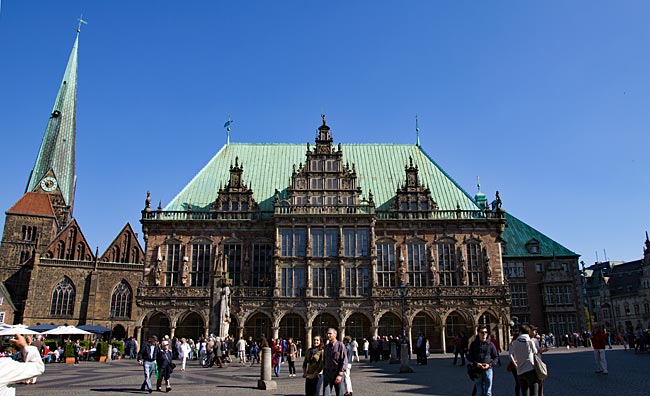
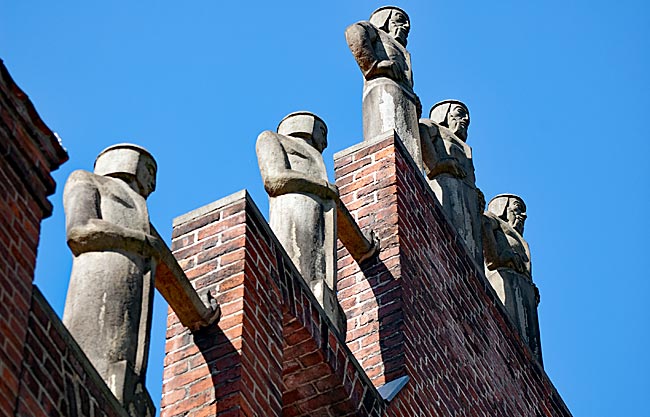
The Seven Lazy Ones (Sieben Faule)
The Seven Lazy Ones. Besides the Bremen Town Musicians, there is another, albeit far less known fairy tale whose setting is the Hanseatic city of Bremen: "The Seven Lazy Ones" by the Bremen writer Friedrich Wagenfeld (1810-1846). Just like the Bremen Town Musicians, the heroes of this story also have a monument dedicated to them in the city. In Böttcherstraße, you can encounter the supposedly lazy brothers at two different locations.
read more ...
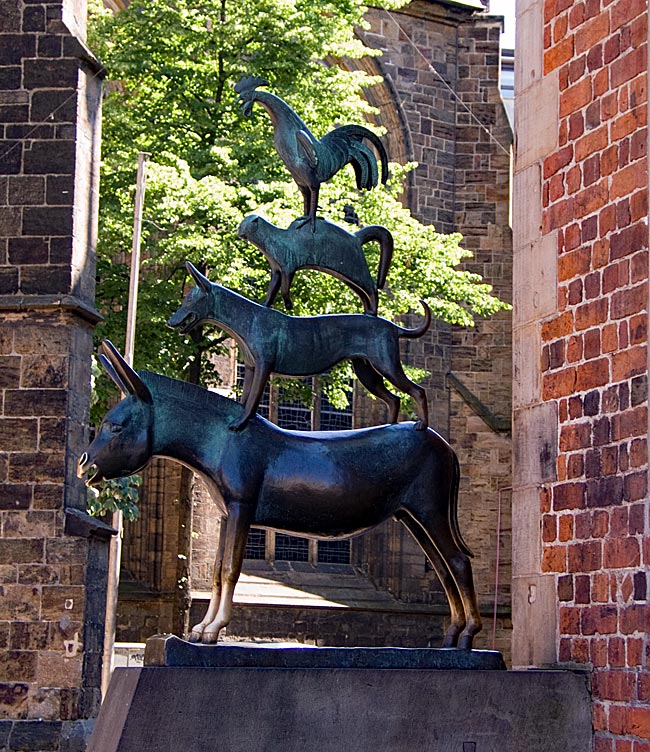
Bremen Town Musicians
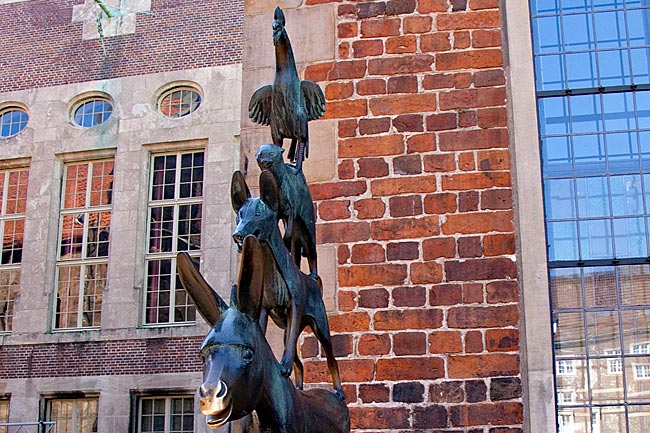
On the left side of the Old Town Hall, next to the entrance to the lower hall, stand four bronze-cast heroes of a world-famous fairy tale - the Bremen Town Musicians. However, it remains a contentious point whether these mismatched four - donkey, dog, cat, and rooster - actually made it to Bremen, as the fairy tale does not provide a clear answer on this matter. But perhaps that is not so important, for what truly matters is the message conveyed in the story.
read more ...
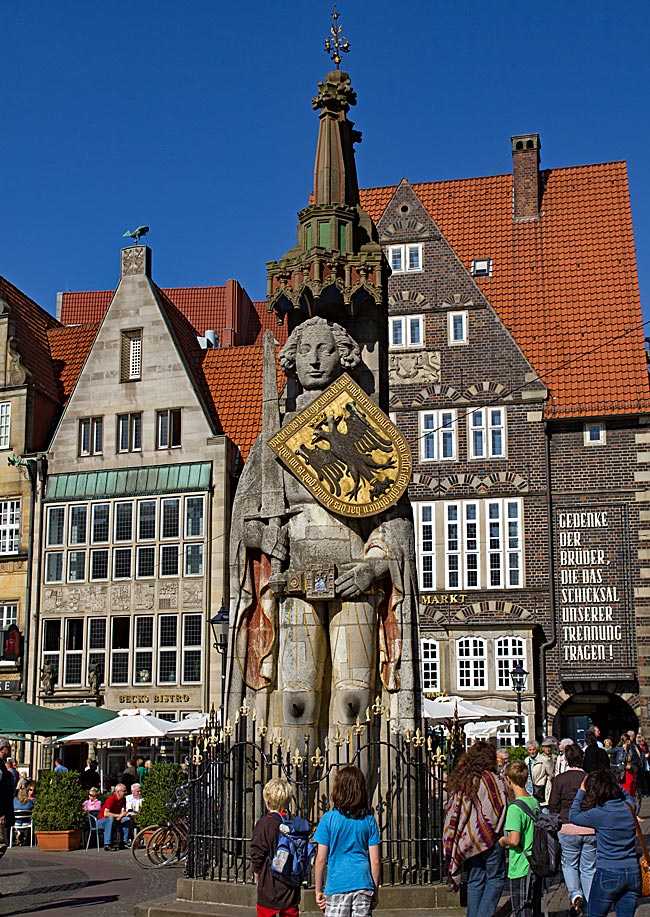
Roland statue
The Roland statue stands on the market square in front of the town hall and has been there since 1404. It is a 5.55-meter (10.21-meter total) tall sandstone figure of a knight with a drawn sword and shield in front of his chest. Like in many other European cities, the Roland in Bremen symbolizes the city's freedom, which historically stemmed from market rights and its own jurisdiction.
read more ...
Worpswede
Highly recommended for a longer excursion is Worpswede, located about 25 kilometers northeast of Bremen in the Teufelsmoor (Devil's Moor). Particularly for art enthusiasts, this place - once a small moorland village and now a renowned artists' colony far beyond its borders - is a true treasure trove.
read more ...