
 exploring Bremen & its surrounding areas
 You are here: Bremen culinary
 Kale & Pinkel
Kale
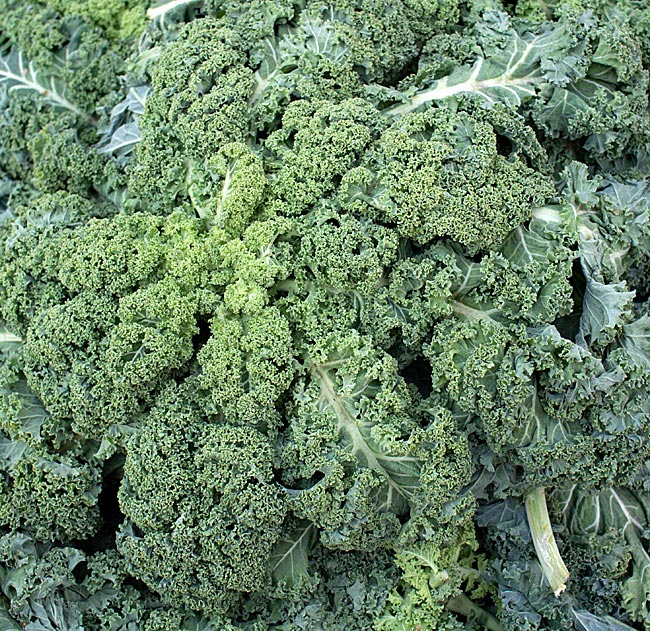
Every year between October and February, it's time for kale season. Usually by late October/early November, the mostly green, palm-like plants - up to 180 cm tall depending on the variety - are ripe for harvest. These vitamin- and mineral-rich vegetables, often found in Bremen’s allotment gardens, have their leaves stripped of stems and stalks. Because the curly leaves of this cruciferous plant can sometimes appear slightly brown or green or even turn a bit brownish when cooked with a bit of imagination many people in Bremen refer to kale as "brown kale" (Braunkohl instead of Grünkohl)
However, brown or green kale is not an invention of the Bremers, as both ancient Greeks and Romans were familiar with kale (or its wild ancestor) and valued it for being affordable and nutritious. While Bremers and their neighboring Oldenburgers from Lower Saxony have been engaged in a friendly long-standing dispute over which location is the true stronghold of kale, each naturally claiming it for themselves, the plant is also known in other parts of Europe, prepared in various ways, and eaten under different names such as "Federkohl" (Switzerland) or "Krauskohl," "Lippische Palme," and "Friesische Palme" in other regions of Germany.
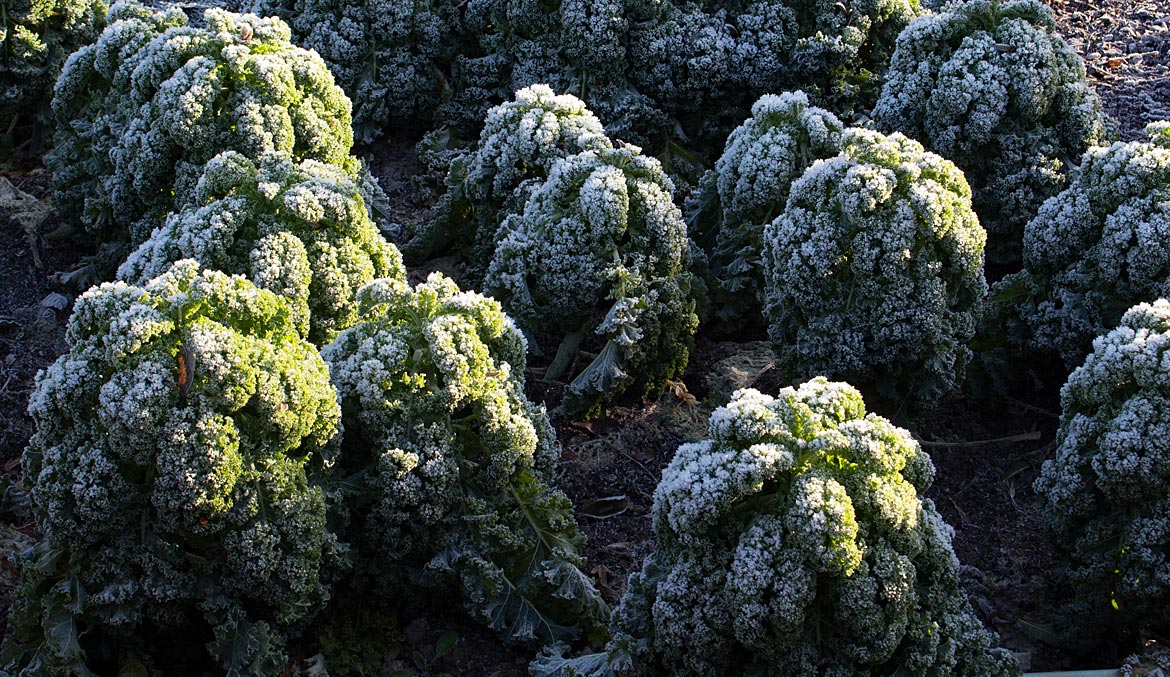
Older varieties were traditionally harvested only after the first frost because the conversion of starch to sugar occurs naturally in the living plant. However, in recent years, newer cultivars with higher natural sugar content have become available, allowing for earlier harvesting. Only the leaves are cooked, and they require a long cooking time about two hours. Undercooking is problematic as it leaves the greens unpleasantly tough, though this may only apply to the rustic northern preparation method.
Bremer Pinkel
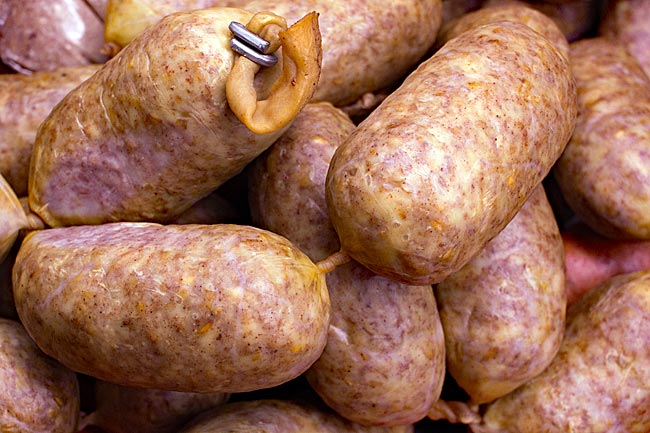
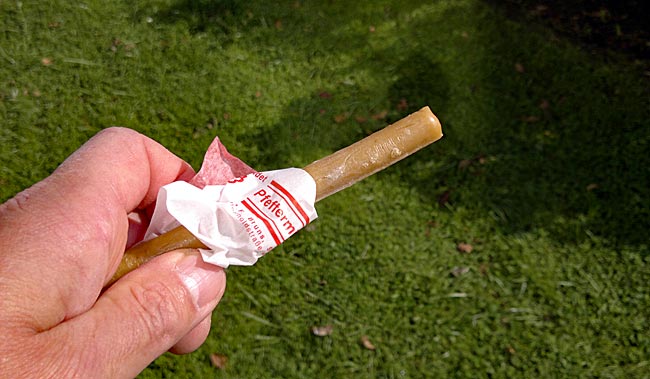
First, onions are sautéed, then shredded kale is added. Additional ingredients include salt and pepper, a bit of sugar or gourmet mustard, a pinch of allspice, and binding agents like oat flakes or oatmeal. The finished kale is served with potatoes and - depending on preference - various meats such as smoked pork loin, pork belly, sausage, and of course Bremer Pinkel. This lightly smoked Pinkel sausage gets its name from the bovine intestines (Pinkeldarm) into which a mixture of roughly 50% pork meat and fat, just over 20% oatmeal and onions, as well as drinking water, salt, spices, and dextrose is stuffed. With minor variations, this is how kale is typically prepared in Bremen.
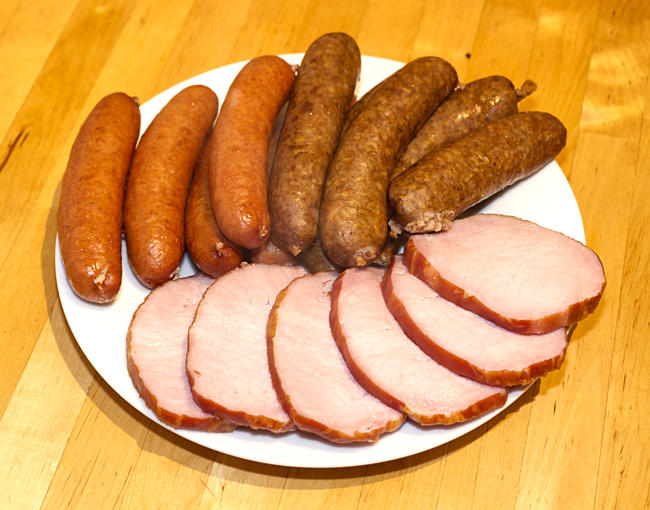
Meat platter with cooked Bremer Pinkel and more
This traditional meal is also served at the equally traditional Schaffermahl. The "Kohl & Pinkel Tour" during winter months is particularly popular. Groups of coworkers, clubs, and other gatherings pull decorated handcarts filled with kale and alcoholic or non-alcoholic beverages, playing games (mostly dice) designed to encourage collective sips from the bottles they’ve brought along. They then proceed to a pre-booked restaurant where generous servings of kale await.
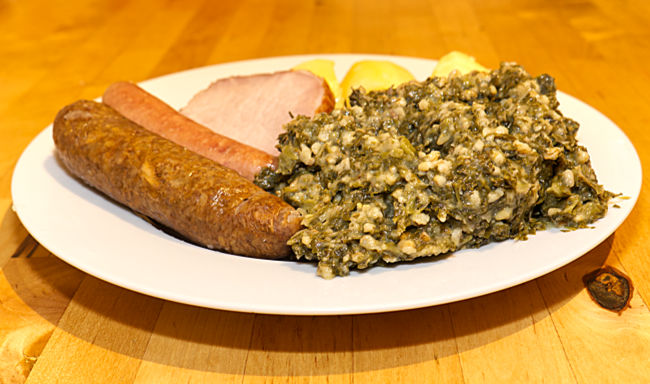
"Kohl & Pinkel"
Fresh kale can be found as stalks or in 1-kilogram bags on Bremen’s weekly markets between October and February. Those who want to skip washing and shredding can opt for frozen raw kale. Canned or jarred kale is available year-round.
Kale is even edible raw and highly nutritious, which is why some enthusiasts of liquid nutrition include it in their smoothies alongside other ingredients.
previous page
 next page
Knipp
Quite hearty and not suitable for a diet program is Knipp. The "Grützwurst" made up of 50% pork meat and bacon, 20% oatmeal as well as water, onions, dextrose, and spices, including mainly pepper and salt, was long considered „poor people's food“, because it was formerly actually made from leftovers that fell off during slaughtering. Today, Knipp is considered a specialty in Bremen and some parts of Lower Saxony.
read more ...
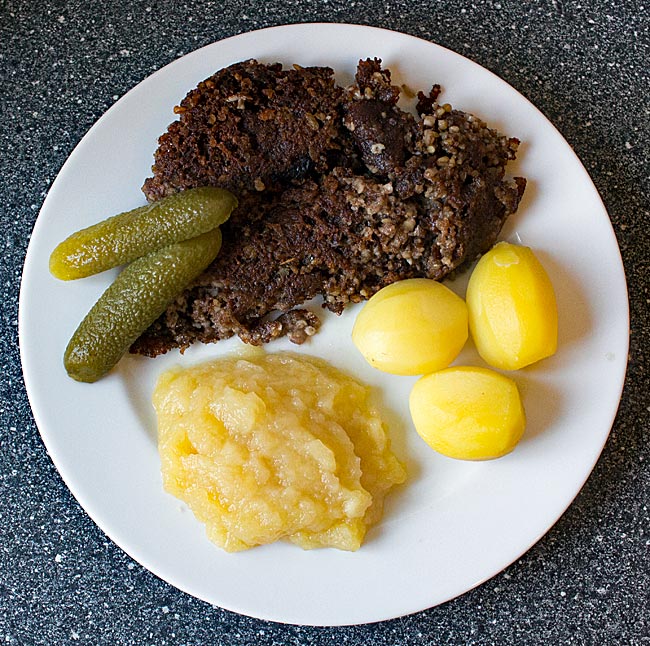
Scherkohl
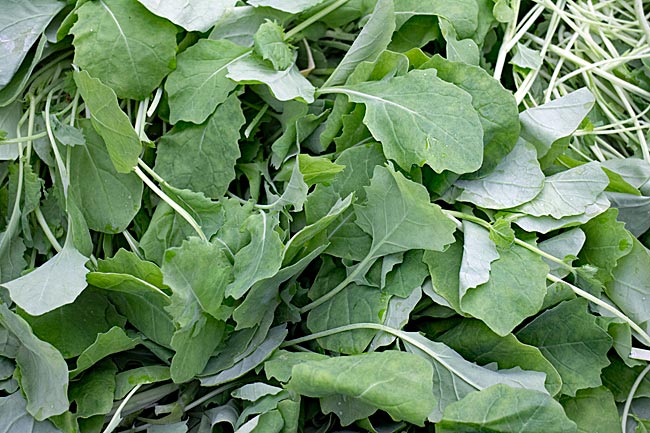
Lleaf cabbage is a vegetable that was primarily cultivated in the northwest German region. One reason why this frost-resistant vegetable, which can be harvested twice a year - in spring and autumn - gradually disappeared from the market starting in the 1950s is likely the labor-intensive harvest of its delicate leaves. Among the leaf cabbage varieties, Scherkohl stands out as particularly flavorful. It is considered an urban Bremen specialty and is now available almost exclusively at well-stocked greengrocers on the weekly market, aside from direct sales by producers.
read more ...
Bremer Klaben
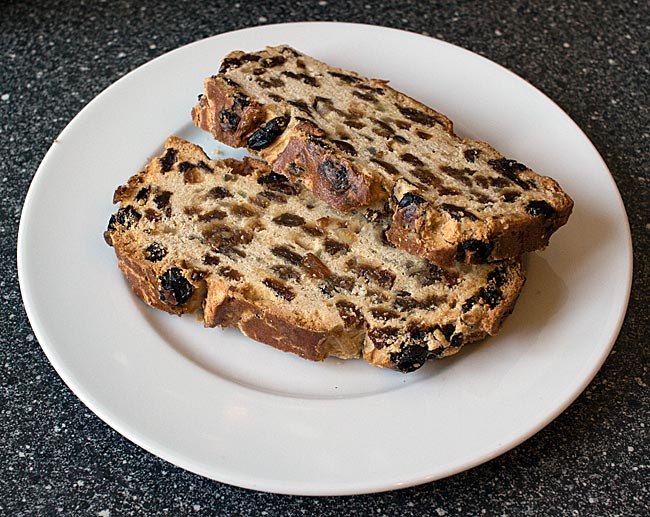
Bremer Klaben is a rich fruitcake with a dense texture, made from wheat flour, butter, sugar, yeast, and salt. What sets it apart is its generous mix of „colorful ingredients“ (raisins, candied lemon peel, and orange peel - though unlike Dresden Stollen, it contains no almonds). The precise ratio of these ingredients is crucial to ensuring that the Klaben remains juicy and fruity even after months of storage rather than drying out.
read more ...
Bremen Peppermint Babbeler
Babbelers are peppermint lollipops made from peppermint oil, sugar, glucose syrup, and water. The term Babbeler comes from Low German, where babbeln means ‚mouth‘. And indeed, you can’t help but keep talking while enjoying the lollipop’s sweetness. Confectioner and candy maker Adolf Friedrich Bruns first produced this sweet treat - and possibly the world’s first cough drop - in 1886, selling it in his confectionery shop in Bremen-West."
read more ...
Ratskeller and Bremen as a wine city
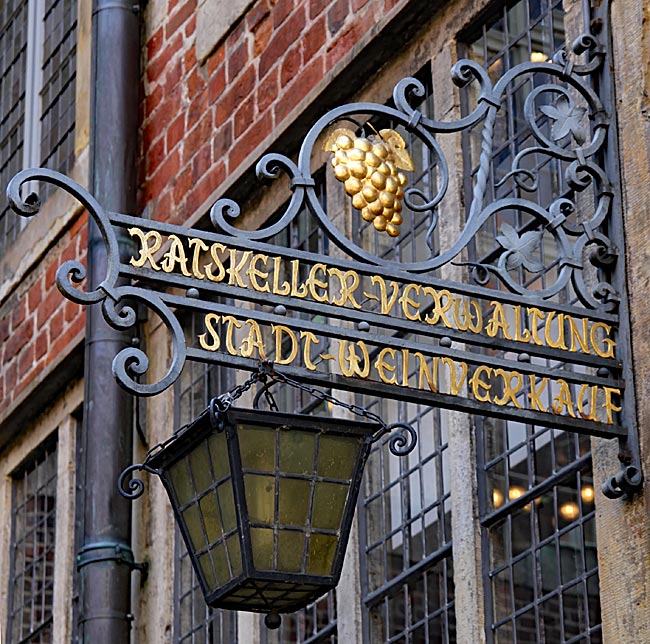
In earlier times, only the councilmen had the right to serve Rhine wine due to a monopoly on it. A source from 1370 mentions for the first time that those who brought wine into the city were already obliged to offer it to the council first, and that no one was allowed to serve wine without permission. A detailed wine ordinance in Bremen is known only from 1635 onward.
read more ...