
 exploring Bremen & its surrounding areas
 You are here: Bremen culinary
 Knipp
Knipp
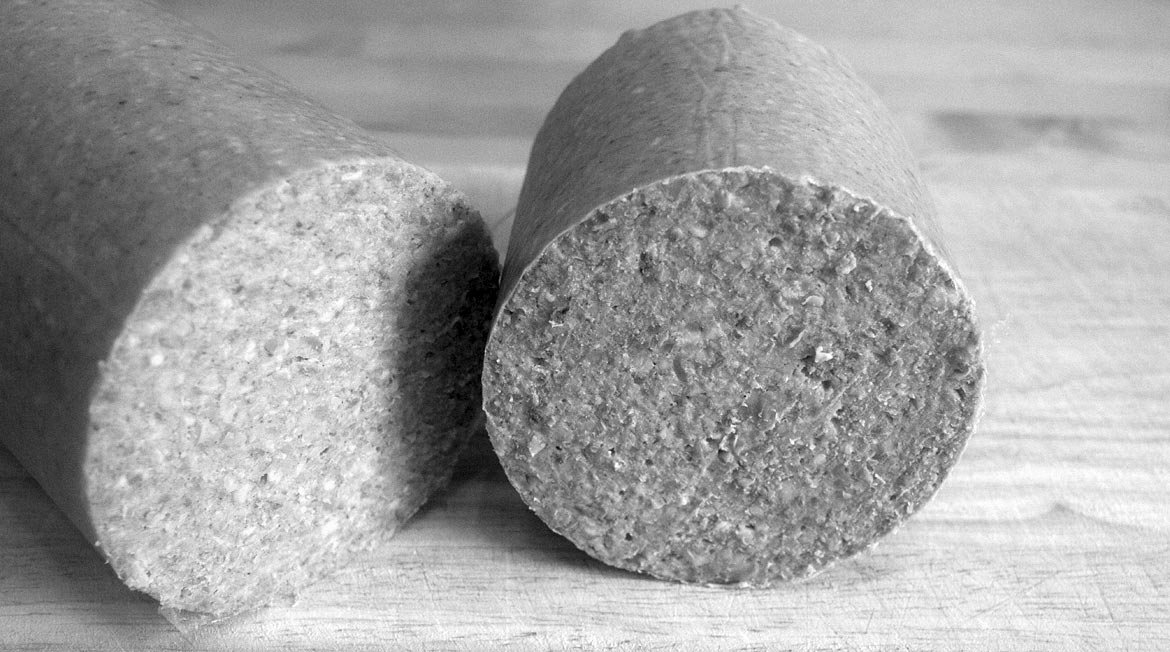
Quite hearty and not suitable for a diet program is Knipp. This Grützwurst made from 50% pork meat and bacon, 20% oatmeal, as well as water, onions, dextrose, and spices - primarily pepper and salt - was long considered "poor man's food" because it was originally made from scraps left over from butchering. Today, Knipp is regarded as a specialty in Bremen and parts of Lower Saxony.
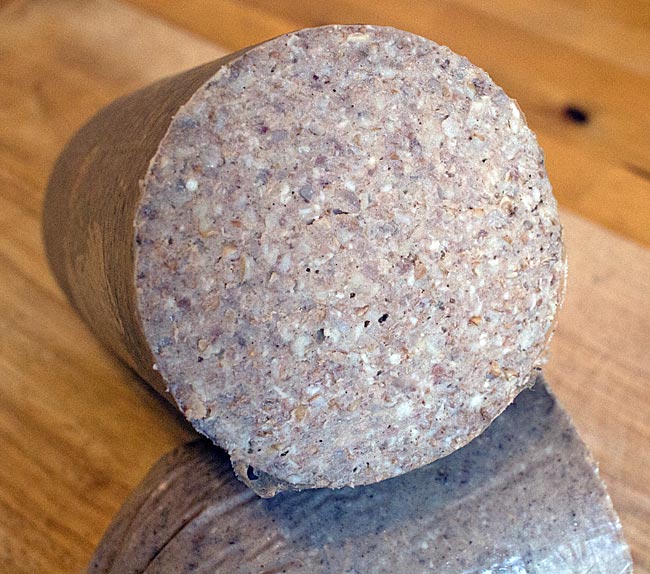
Knipp Hausmacher Art (unfried)
The flavorful but rather unappealingly gray Grützwurst is typically sold in rolls about 10 cm thick or sliced to order at well-stocked meat or sausage counters.
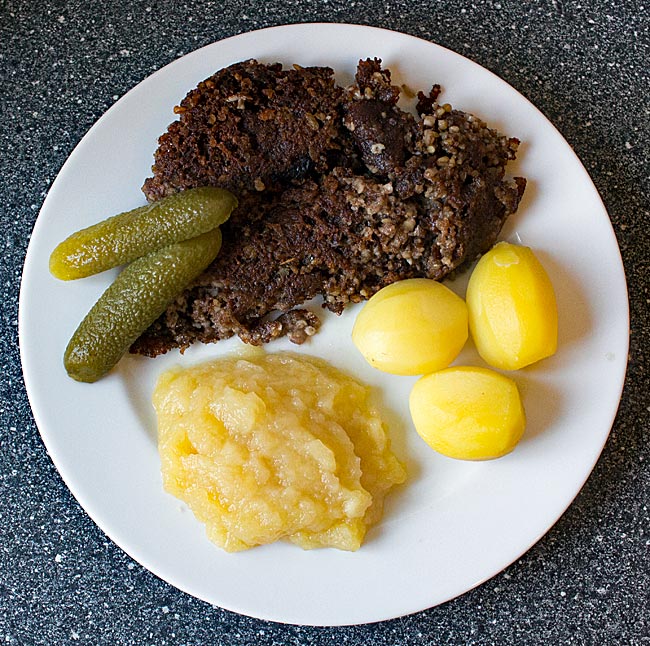
Knipp with boiled potatoes, applesauce, and pickled cucumber served fresh
To eat Knipp, it is fried in a pan until crispy and served with roasted or boiled potatoes and applesauce, pickled cucumbers, or beetroot. Since Knipp is pre-cooked, as some recipes suggest, it can also be used unfried as a bread topping, preferably on dark rye bread, but that’s a matter of taste.
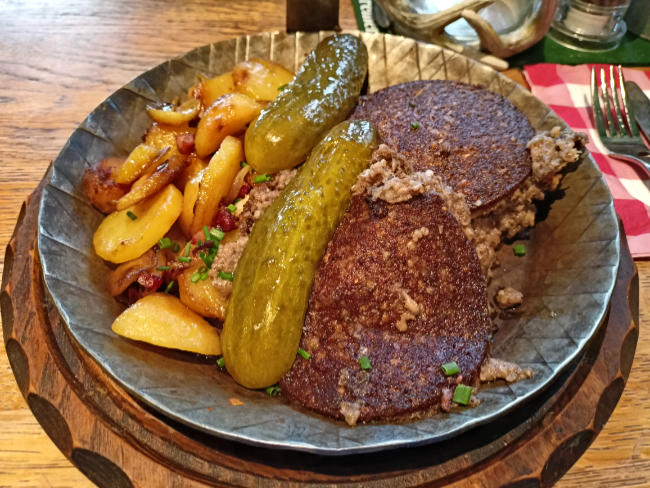
In restaurants, it often gets even more rustic with roasted potatoes topped with bacon and onions as a side dish
previous page
 next page
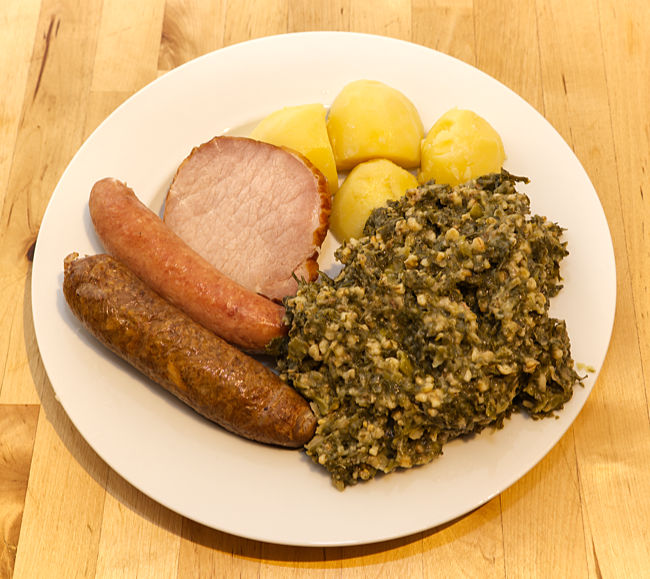
Kale & Pinkel
Every year between October and February, it's that time again: Kale (Grünkohl) season. Usually by late October/early November, the mostly green, palm-like plants - up to 180 cm tall depending on the variety and rich in vitamins and minerals - are ready for harvest. These plants are commonly found in Bremen, even in the beds of allotment gardens. Since the curly leaves of this cruciferous vegetable, once stripped of stems and stalks, can appear slightly brown or green - or turn a bit brownish with a lot of imagination when cooked - many people from Bremen also call Grünkohl "Braunkohl" (brown cabbage).
read more ...
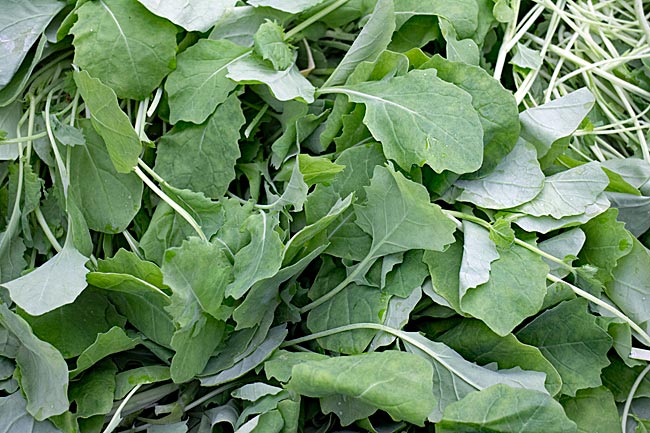
Scherkohl
Lleaf cabbage is a vegetable that was primarily cultivated in the northwest German region. One reason why this frost-resistant vegetable, which can be harvested twice a year - in spring and autumn - gradually disappeared from the market starting in the 1950s is likely the labor-intensive harvest of its delicate leaves. Among the leaf cabbage varieties, Scherkohl stands out as particularly flavorful. It is considered an urban Bremen specialty and is now available almost exclusively at well-stocked greengrocers on the weekly market, aside from direct sales by producers.
read more ...
Bremer Klaben
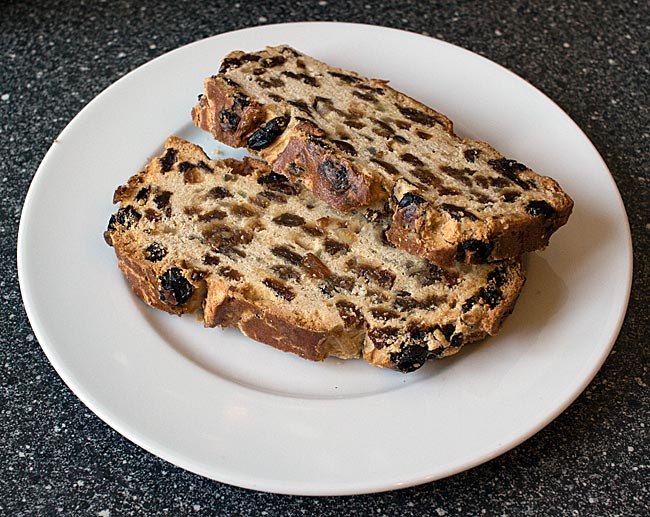
Bremer Klaben is a rich fruitcake with a dense texture, made from wheat flour, butter, sugar, yeast, and salt. What sets it apart is its generous mix of „colorful ingredients“ (raisins, candied lemon peel, and orange peel - though unlike Dresden Stollen, it contains no almonds). The precise ratio of these ingredients is crucial to ensuring that the Klaben remains juicy and fruity even after months of storage rather than drying out.
read more ...