
 exploring Bremen & its surrounding areas
 You are here: worth seeing in Oberneuland district
 Parks in Oberneuland district (1/3)
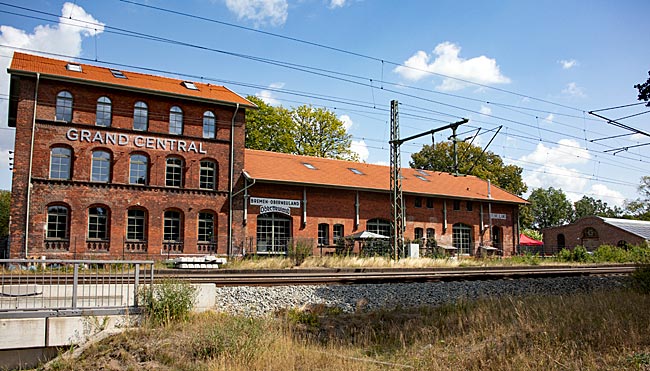
Formerly the train station building in Oberneuland, today the event venue Grand Central
The names of some districts in large cities still reveal that they were once independent villages in the surrounding area, which were eventually incorporated into the growing city. This is also true for the district of Oberneuland, located in the northeast of Bremen near the border with Lower Saxony, even though it doesn’t sound like it. There likely weren’t many houses when Oberneuland was first mentioned in documents as Overnigelant in 1181. It was Dutch settlers who settled here in the Wümme valley and made the land arable. The Dutch had already been in the region since around 70 years earlier, in 1113, when the archbishop commissioned them to drain and dry out the nearby Hollerland. Then as now, they were esteemed water management specialists.
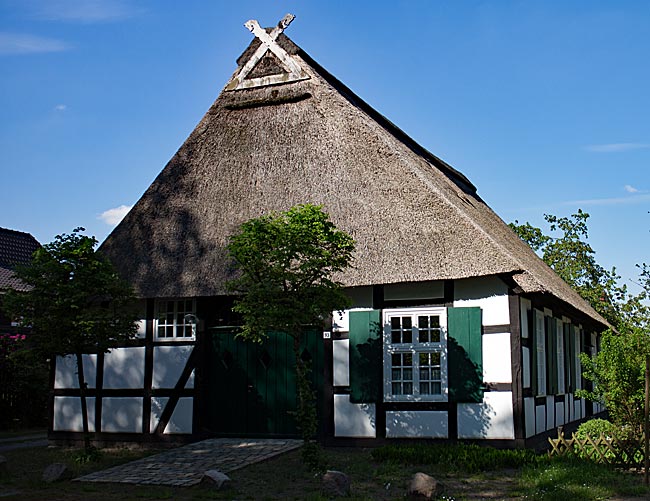
Built around 1780 and a (protected) cultural monument like numerous other houses on the street: the thatched Schumacher house
Many people from Bremen consider this district to be the residential quarter of the "upper crust" par excellence, even though the prefix "Ober" (upper) in the district's name has nothing to do with it. In fact, on both sides of some streets, you’ll find large park-like properties with old trees and charming houses that suggest a certain level of wealth or even riches. After all, the city-state has an astonishingly high number of millionaires among its residents.
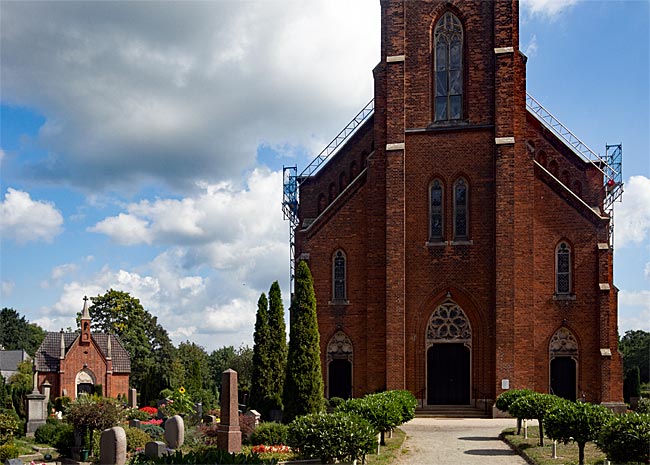
Rich or poor, in death we are all equal. The 45-meter-high evangelical neo-Gothic church of St. Johann was completed in 1860 and has been under monument protection since 1999, as is the cemetery chapel (1905) in the background.
You can still sense the district’s history and former village structure when you drive or walk down Oberneulander Landstraße. In summer, the greenery of old trees provides ample shade, and the pedestrian strips along the road sometimes become uneven and so narrow from tree roots that you almost have to walk on the street itself. On the side of the road near the state border, several gaps appear in the residential buildings because three parks are located here - parks that invite visitors and are the very reason this article is being written about Oberneuland.
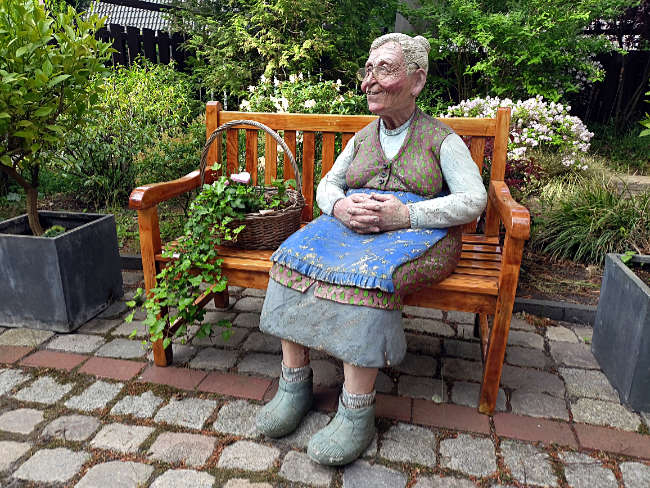
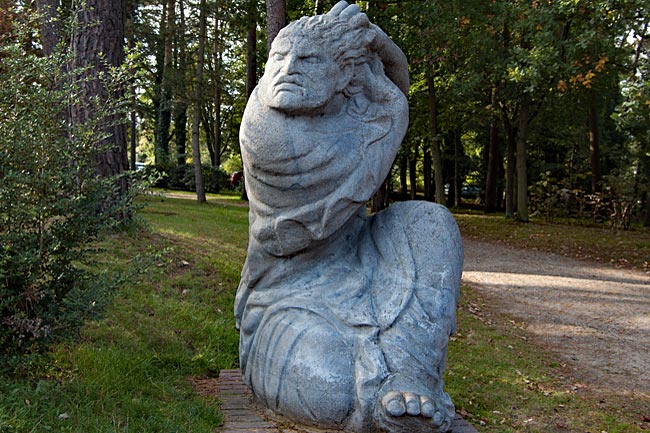
This too is art, absolutely
Heinekens Park
The first park is Heinekens Park, whose distinctive landscaping with the hedgerow rondel of 6.25-meter-tall hornbeams - already laid out in 1770 - catches the eye even before entering the grounds. Since 2017, when four new white benches were placed inside the rondel, there’s nothing stopping visitors from staying a while. The park is named after Bremen councilman and later mayor Christian Abraham Heineken (1752–1818), who inherited the former estate in 1782 from Hofrat Dr. Albert Schumacher.
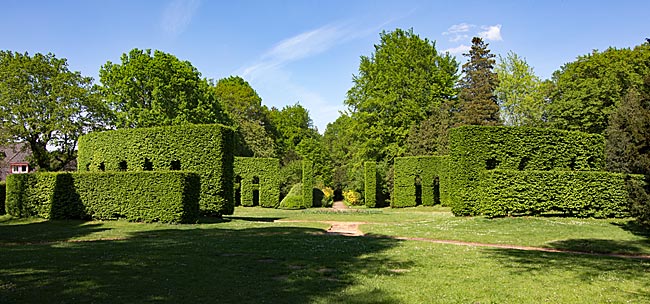
Plants well-kept: hedgerow rondel of 6.25-meter-tall hornbeams
Schumacher had used the estate as a country retreat when he wasn’t in Copenhagen, where he was occasionally an envoy. Since his time, replicas of statues from Schloss Fredensborg - one of many castles on the island of Sealand in the Baltic Sea - can be found in today’s park grounds. Of the four statues representing the four elements, however, only three are located on the estate; the statue of Terra, the Roman goddess of earth, created by Giovanni Antonio Cybei from marble in 1766, stands on Gut Riensberg, which belongs to the Focke Museum.
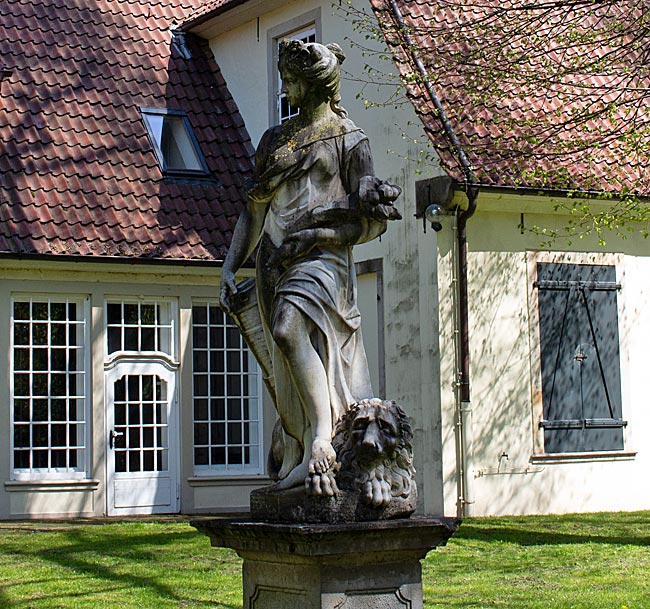
Terra, the Roman goddess of earth, was originally part of a quartet
The grounds at Oberneulander Landstraße 151/153 have changed their appearance several times over the years. Heineken, Schumacher’s successor - who also lived in a house named after him on Sandstraße near the cathedral - eventually transformed part of the estate around the manor house into an English-style park.
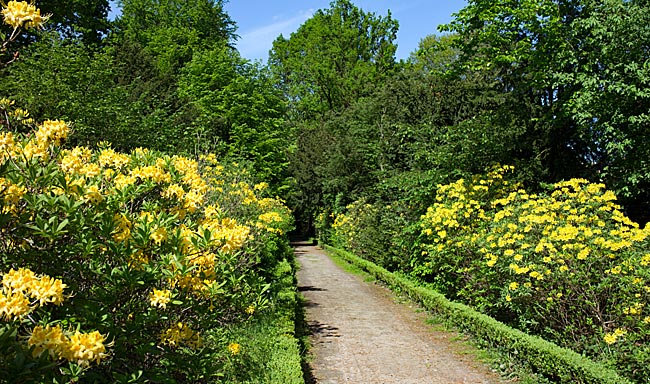
Blooming bushes on both sides of the path
The fact that today’s 2.7-hectare Heinekens Park still exists and has been publicly accessible since 1975 is thanks to protests in 1970 that helped protect part of the estate from development. As a result, the park passed from family ownership into city ownership as a plot of land. Since 1973, the park - with its partly rare trees - as well as the similarly named estate behind it have been under monument protection. This also includes the manor house built in 1762 and the farmhouse erected around 1770 directly on Landstraße.
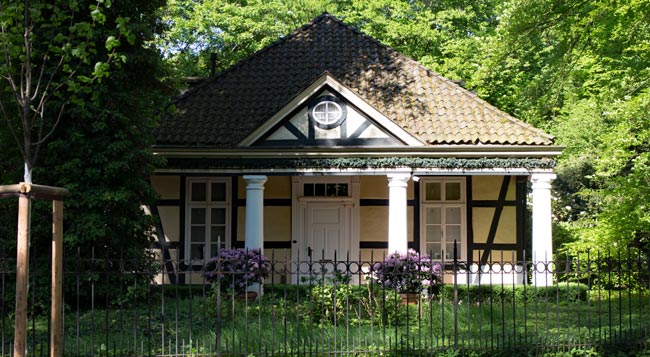
Well-preserved: the Meierei
A path leads out of the park into the Wümme valley, crisscrossed by numerous canals with fields and horse pastures.
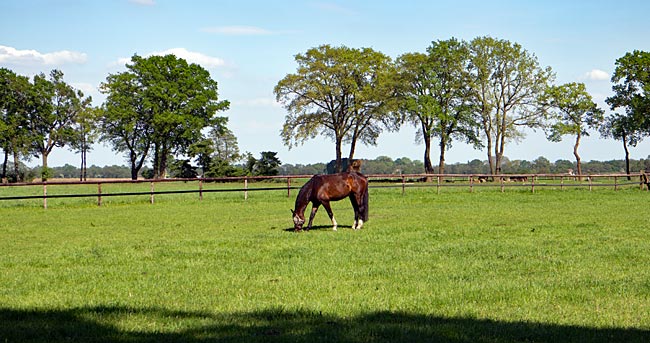
Open land with meadows and fields
previous page
 next page
Map
Focke-Museum
Every city has its history, and in many cities there is a museum where this history is told. In the Hanseatic city, it is the Focke Museum in the district of Riensberg, which presents the city's history in the most vivid way. The "Bremer State Museum for Art and Cultural History" was created in 1924 by merging two collections: the Gewerbe Museum founded in 1884 and the Historical Museum for Bremen Antiquities founded six years later. The museum's namesake, who had already died in 1922, was the founder of the latter.
read more ...
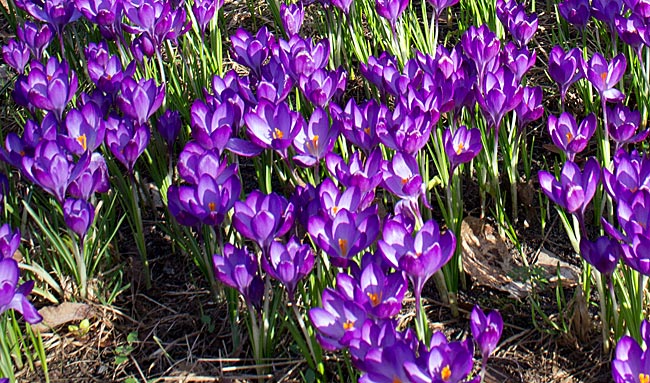
1 million crocuses in Oberneuland district
It is said that one million crocuses bloom every spring on a green strip along Franz-Schütte-Allee, delighting pedestrians, cyclists, and drivers alike with a sea of violet flowers. Although there are many varieties of crocuses that bloom in different colors, the robust variety 'Ruby Giant', which was bred in 1956, was chosen. Compared to other varieties, these plants are quite large, and their petals are slightly lighter on the inside than on the outside.
read more ...
Rhododendron Park
Also located in the Horn district is the 46-hectare Bremen Rhododendron Park. The core of the park actually consists of two parks. Around 1890, beech, ash, spruce, and especially oak trees were planted on the site. In 1936, the area, which was designed as a wildlife park, was supplemented with an extensive collection of rhododendrons. To this day, the numerous deciduous trees on the park grounds provide important protection for the rhododendrons from sun and wind.
read more ...
botanika
Right in the middle of the Rhododendron Park, next to the café, is the botanika. Originally, the botanika was planned as a contribution to Expo 2000, but for various reasons, things turned out differently, and the largely glass structure was not opened until 2003.
read more ...
Cycling to Lilienthal
It's about 11 kilometers from Bremen's city center to Lilienthal in Lower Saxony, just beyond the city limits. While tram line 4 connects both places, a bike tour is much more fun. Along the Jan-Reiners-Weg, you can cycle through a green landscape without car traffic, and even within Lilienthal itself, the route follows small paths along the Wörpe River with light traffic, leading to the historic city center.
read more ...
Bürgerpark
A green oasis near the city center and a heavily used recreational area is the Bürgerpark. The extensive park, which adjoins today's Bürgerweide behind the train station, was initiated by the citizens themselves. At the beginning of the 19th century, the old defensive structures of the city had already been dismantled, and the ramparts were transformed into a park landscape. However, as the city rapidly grew throughout the century, the demand for more green spaces became increasingly louder.
read more ...
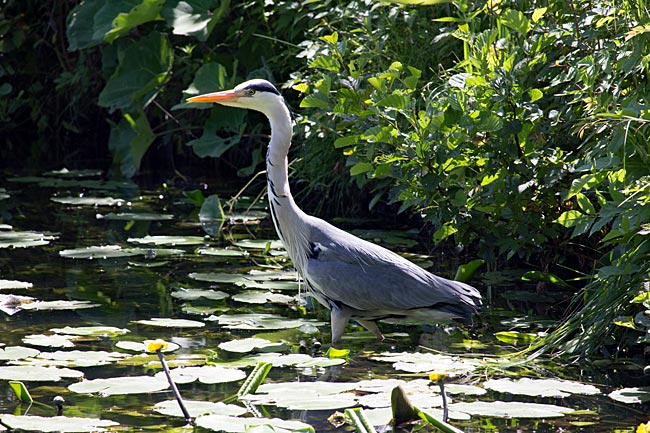
Stadtwald & Stadtwaldsee (urban forest & lake)
Stadtwald & Stadtwaldsee. The design of the Bürgerpark is attributed to Wilhelm Benque, who served as its director from 1866–1870 and again from 1877–1884. Carl Orth succeeded him in this role, and under his plans, construction of the Stadtwald began in 1907. The 66.5-hectare site north of the railway tracks had been donated to the Bürgerpark Association by the Bremen merchant Franz E. Schütte one year earlier.
read more ...
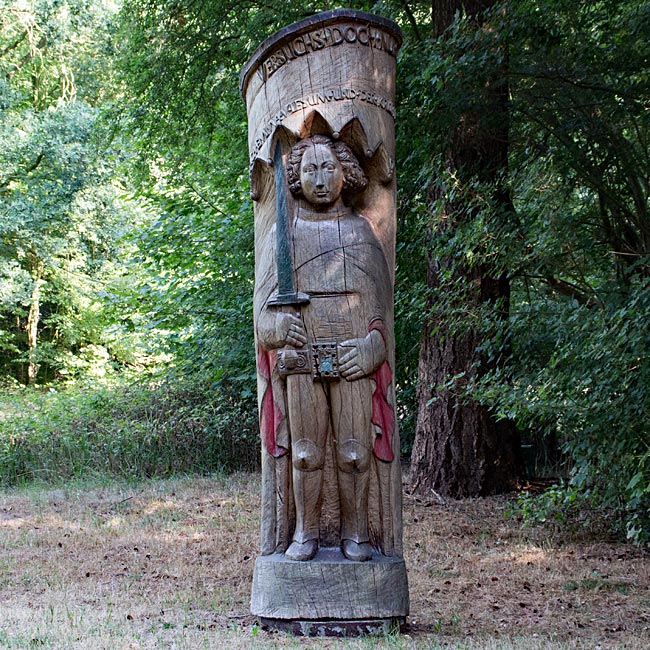
Exploring Horn-Lehe district
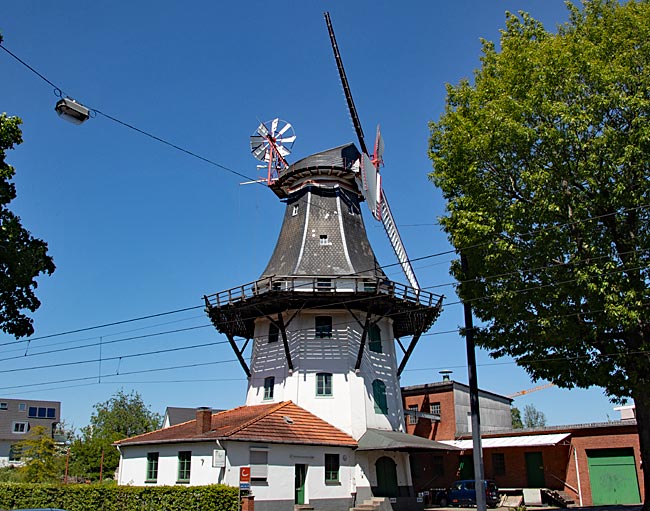
Some mills grind slowly, while others no longer operate at all - like the Horner Mill. Built in 1848 as a Dutch-style windmill, its preservation for passersby to enjoy today required significant effort and funding. It stands as the district's emblem.
read more ...