
 exploring Bremen & its surrounding areas
 You are here: worth seeing in Oberneuland district
 Parks in Oberneuland district (3/3)
Between the parks from here to there
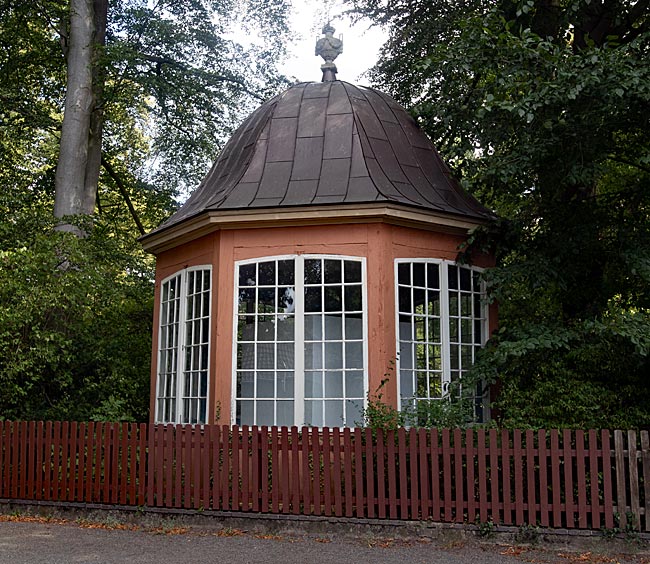
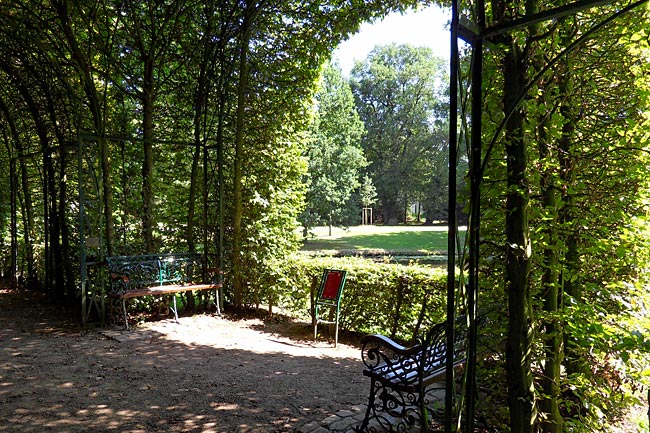
The pavilion at the edge of the estate was built around 1906
In contrast, the former Hodenberg estate is not open to the public. It was first mentioned in documents as early as 1149, a time when the Dutch had recently begun draining, cultivating, and settling the surrounding land. Once a noble seat, the estate passed over the centuries into the possession of numerous merchants and citizens and was even used temporarily as a psychiatric clinic until 1863. The approximately 7-hectare complex, transferred in 1936 by the shipping and merchant family Rickmers to a foundation as their last owners, includes the park designed by garden architect Christian Roselius, the manor house built in 1767 with its inventory, as well as other buildings such as a pavilion and the stable facilities of the Hubertus riding club in half-timbered construction. The estate is protected as a historic monument.
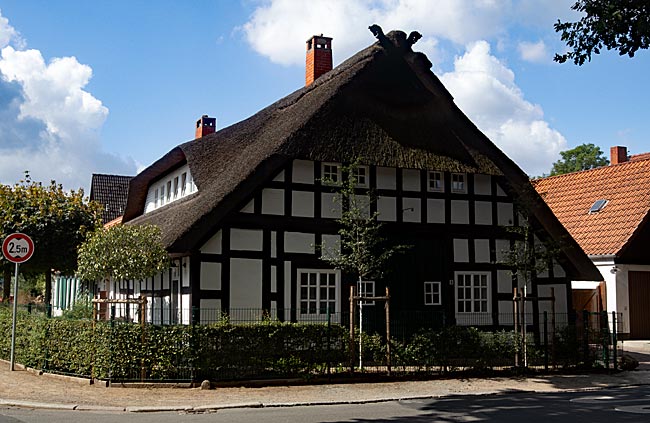
Former Inn "Meyer am Boom"
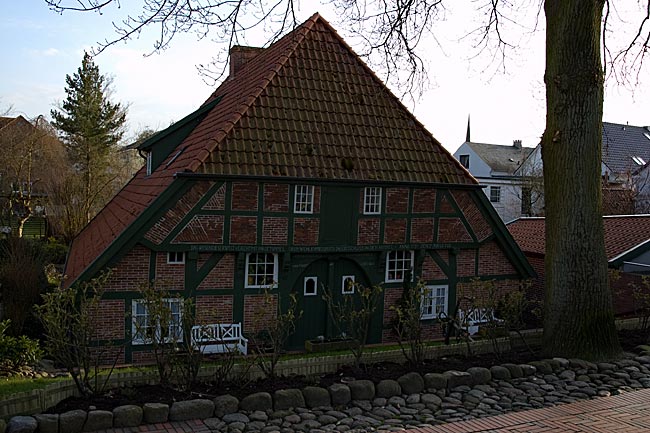
Diagonally opposite the pavilion on Oberneulander Landstraße stands a well-preserved old two-aisle timber-framed house with a thatched roof, which has also been under monument protection since 1973. For a long time, the former farmhouse - one of several around the estate - built between 1710 and 1720, was known as the inn "Meyer am Boom," named after a turnstile that once blocked the road not far away. After about three hundred years in family ownership, the business finally ended in 2014, and the charming building was converted into a residential house.
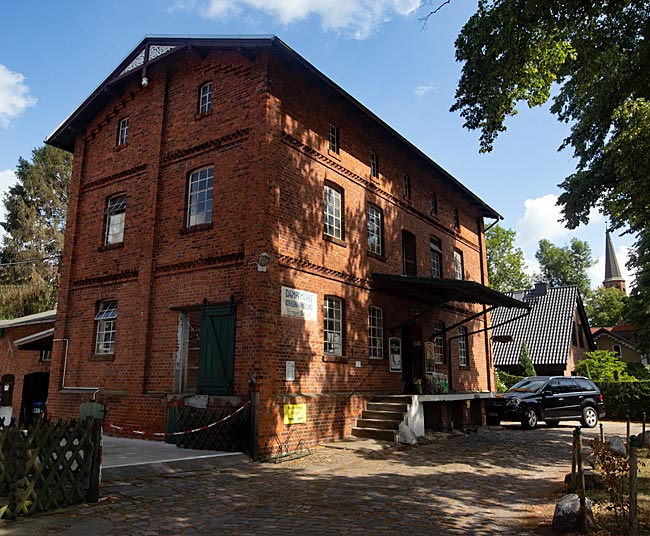
Former steam mill and coal trading at Rockwinkler Heerstraße with a history dating back to 1897 (burned down in 2022)
Celebrations continue, however, at the railway crossing on Rockwinkler Landstraße, which was closed in 2016 after tunnel construction. The over-200-year-old main house of the Lür-Kropp farm, like the above-mentioned farmhouse, is also a two-aisle hall house typical of the Lower Saxon region. The location is particularly popular with wedding couples; since 2001, it has even been possible to get married officially in the separately located Meta-Rödiger-Hochtiedshuus (wedding house), an official branch office of the registry office on Hollerallee directly at Bürgerpark.
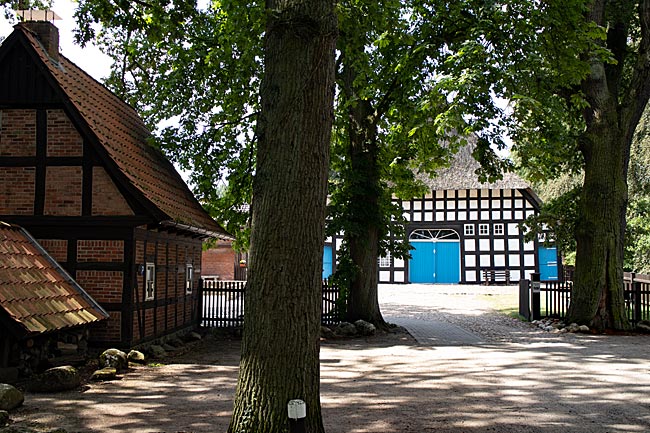
Lür-Kropp Farm
The namesake Meta Rödiger was a native Kropp and the last member of the family generations spanning more than three centuries on the farm. She bequeathed the farm to the city, which thus came into Bremen's possession in 1978. In the years that followed, part of the land was converted into a public park, and the Meta-Rödiger hiking trail was created; after all, she had stipulated that large areas of the site must not be built upon. On the farm grounds, which were expanded into a living museum with the Focke Museum after 1978, the Bremer Imkerverein v. 1875 e.V. is also represented with the bee storage and teaching apiary. Since 2006, the farm and its associated lands have been combined in a foundation established by the city.
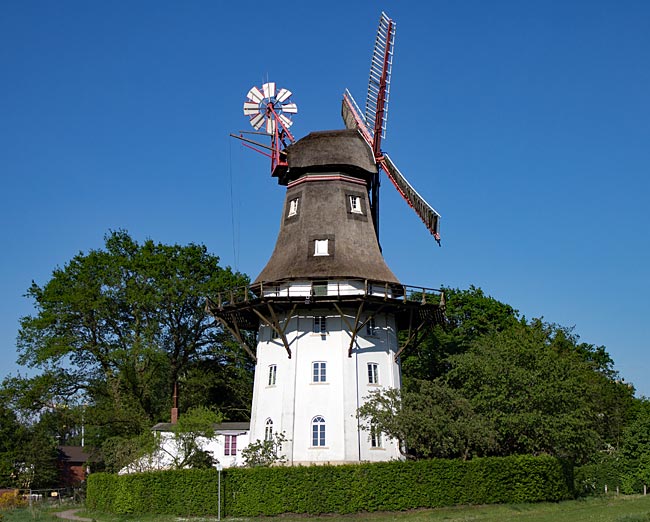
The Gallery Hollander is quite an eyecatcher
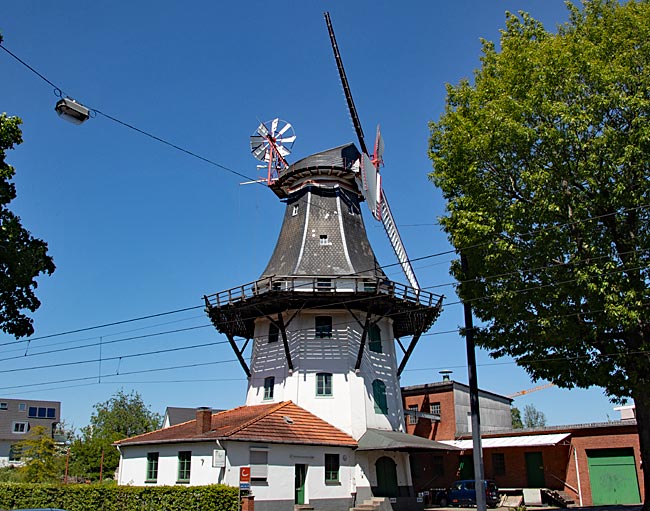
By the way, the landmark of Oberneuland belongs to the Focke Museum, which you can also encounter a few hundred meters further along Rockwinkler Landstraße: a windmill. The mill path branching off from Mühlenfeldstraße already points the way by name alone. The beautifully restored Gallery Hollander from 1848 with its original stone floor and mill head is still functional. Inside, a permanent exhibition shows the journey "From Grain to Bread." Under this theme, museum-pedagogical events also take place for school classes, which deal with the practical processing of grain - everyone is allowed to get involved.
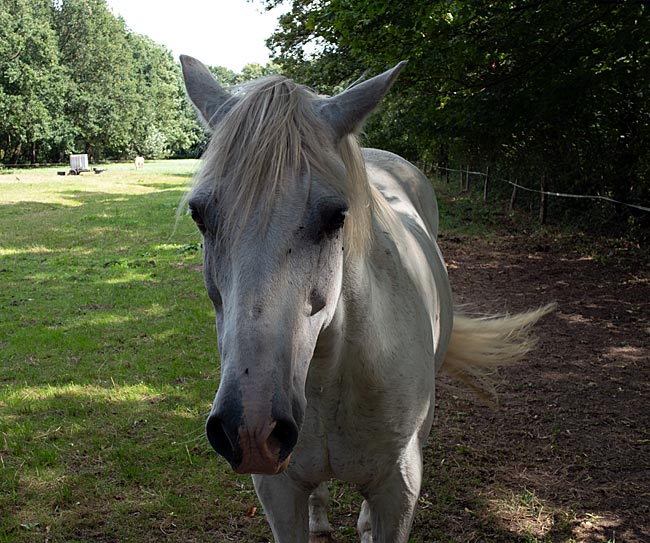
Thanks to the many green spaces, some people in Oberneuland like to sit on their high horse, and others don't even need a horse for that ;-)
But back to the Lür-Kropp farm. Adjacent to the farm area, fields and meadows where horses sometimes graze stretch along Franz-Schütte-Allee toward the city center on the right side next to the pedestrian and bike path. One must say "still," although it is a landscape protection area; part of the area before the A27 highway was already developed years ago, and they wanted to create an industrial park with the "Büropark Oberneuland" on about 7 hectares. Although the concept failed due to sparse demand, after opening for urgently needed residential construction in Bremen in 2015, the area is now built up.
AchterdiekPark - yes, with a proper spelling error (in german language)
An unpaved path between cultural landscape on one side and development on the other leads to another green park in Oberneuland: the approximately 9-hectare AchterdiekPark. The park is maintained by the private initiative AchterdiekPark e.V. The fact that this recreational area exists at all is thanks to a citizens' initiative formed in 1976 and the subsequently founded non-profit "Association for the Protection of the Former Zoo Grounds" in the same year.
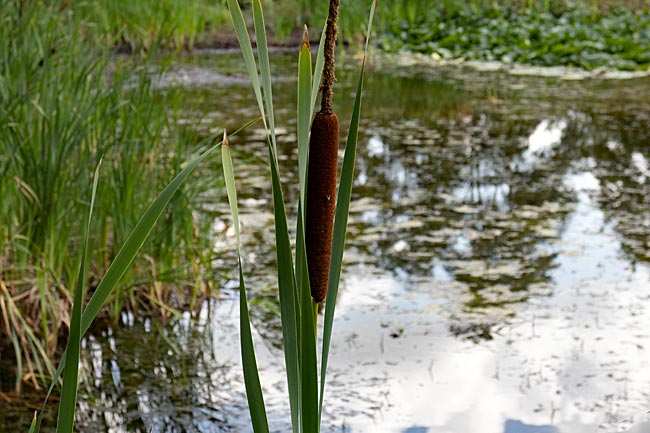
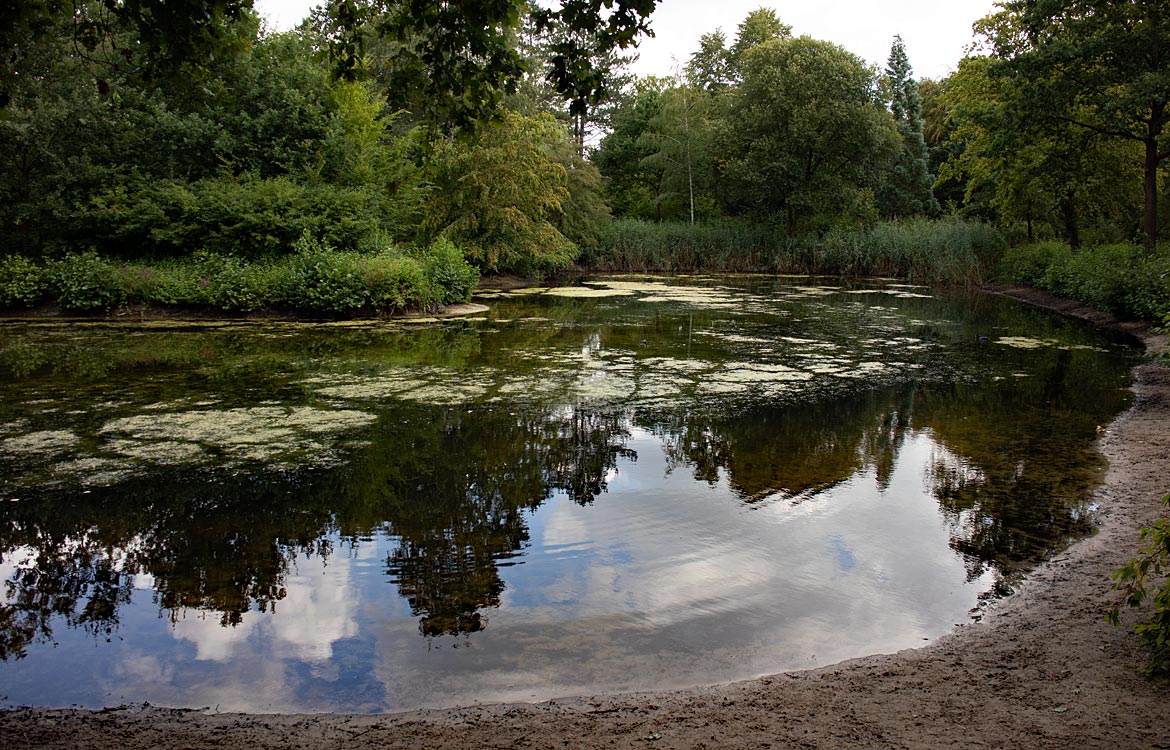
One of several bodies of water in the AchterdiekPark that make a walk along the circular paths in this nature reserve more attractive
Zoo? Yes. Until 1961, the area was used for agriculture, and the most commonly encountered animals were probably field mice and birds. Then, the Indian big-game hunter and animal trader George Donald Munro began building his private zoo on about 27 hectares. In April 1966, the zoo opened its gates in the presence of local political dignitaries as well as zoo directors from Germany and Italy. However, the exotic glamour with elephants and big cats behind bars in too-small cages lasted only seven years; in 1973, the zoo was insolvent. After selling the animals and mobile inventory, fixed structures such as economic buildings and stables initially remained standing. The city of Bremen eventually acquired part of the land.
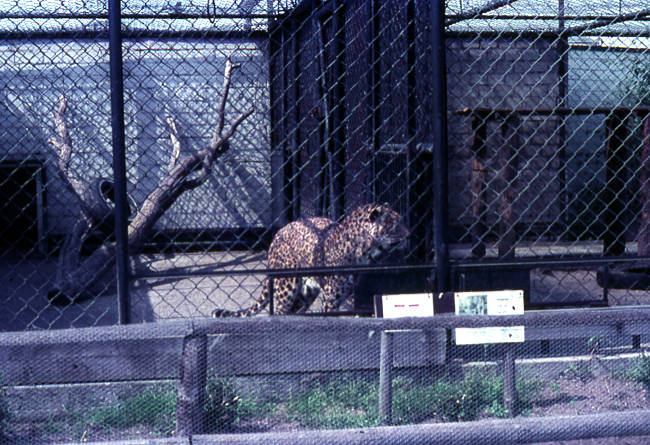
Leopard in the zoo in 1971. Archive image
After the site increasingly fell into disrepair and became a danger to humans and animals, cleanup work began in 1976, and the park was subsequently created. In the following years, thousands of trees and bushes were planted, a small sledding hill, a soccer field, and a playground were built, and the waters dating back to the zoo era were deepened.
Today, the park has several entrances and is a gem for the diverse wildlife as well as for people from the ever-closer settlements. Respect for so much commitment by those who organize themselves in the association and/or support it.
previous page
 next page
Map
Further information
https://www.luer-kropp-hof.de
Privatinitiative AchterdiekPark e. V.
Feldmannstraße 12
28355 Bremen
Phone: +49 421 - 251078
Fax: +49 421 - 2586542
E-Mail info@achterdiekpark.de
https://achterdiek-park.de
1 million crocuses in Oberneuland district
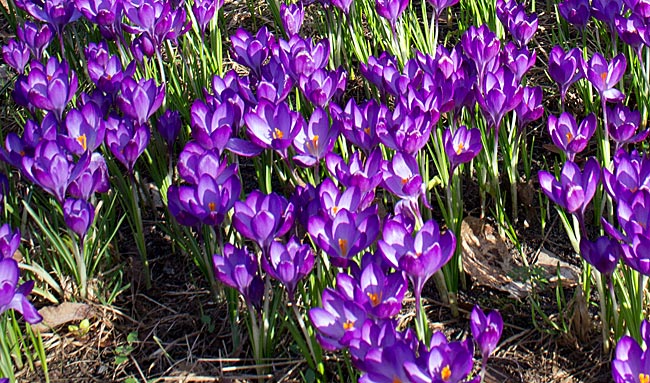
It is said that one million crocuses bloom every spring on a green strip along Franz-Schütte-Allee, delighting pedestrians, cyclists, and drivers alike with a sea of violet flowers. Although there are many varieties of crocuses that bloom in different colors, the robust variety 'Ruby Giant', which was bred in 1956, was chosen. Compared to other varieties, these plants are quite large, and their petals are slightly lighter on the inside than on the outside.
read more ...
Rhododendron Park
Also located in the Horn district is the 46-hectare Bremen Rhododendron Park. The core of the park actually consists of two parks. Around 1890, beech, ash, spruce, and especially oak trees were planted on the site. In 1936, the area, which was designed as a wildlife park, was supplemented with an extensive collection of rhododendrons. To this day, the numerous deciduous trees on the park grounds provide important protection for the rhododendrons from sun and wind.
read more ...
Fischerhude - artists' colony & peasant village
Signposts make it clear to every previously unaware visitor that this place differs significantly from many other traditionally agricultural villages. Fischerhude is hip. Numerous cafés and restaurants, ceramics studios, art galleries, a local history museum, the Modersohn Museum, and more vie for the favor of an audience that is sometimes more and sometimes less interested in art but regularly strolls through Fischerhude in large numbers.
read more ...
Cycling to Lilienthal
It's about 11 kilometers from Bremen's city center to Lilienthal in Lower Saxony, just beyond the city limits. While tram line 4 connects both places, a bike tour is much more fun. Along the Jan-Reiners-Weg, you can cycle through a green landscape without car traffic, and even within Lilienthal itself, the route follows small paths along the Wörpe River with light traffic, leading to the historic city center.
read more ...
Focke-Museum
Every City Has Its History. In many cities, there is a museum dedicated to telling that very story. In the Hanseatic city of Bremen, it is the Focke Museum in the Riensberg district where urban history is presented most vividly. The "Bremen State Museum for Art and Cultural History" was established in 1924 by merging two collections: the Gewerbemuseum (founded in 1884) and the Historisches Museum für bremische Altertümer ("Historical Museum of Bremen Antiquities," founded six years later). The museum's founder, who passed away in 1922, also lent his name to today’s institution.
read more ...
Bürgerpark
A green oasis near the city center and a heavily used recreational area is the Bürgerpark. The extensive park, which adjoins today's Bürgerweide behind the train station, was initiated by the citizens themselves. At the beginning of the 19th century, the old defensive structures of the city had already been dismantled, and the ramparts were transformed into a park landscape. However, as the city rapidly grew throughout the century, the demand for more green spaces became increasingly louder.
read more ...
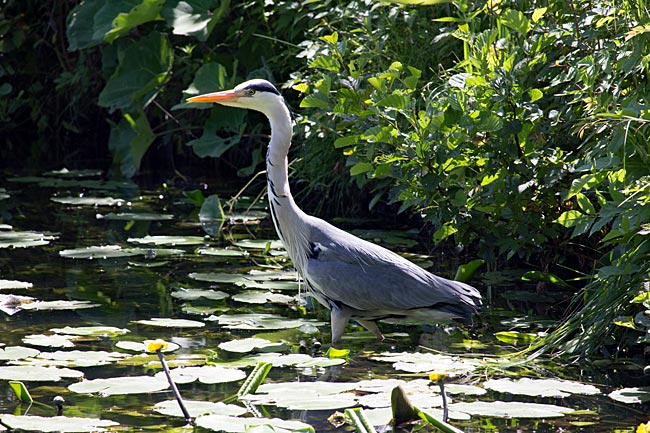
Stadtwald & Stadtwaldsee (urban forest & lake)
Stadtwald & Stadtwaldsee. The design of the Bürgerpark is attributed to Wilhelm Benque, who served as its director from 1866–1870 and again from 1877–1884. Carl Orth succeeded him in this role, and under his plans, construction of the Stadtwald began in 1907. The 66.5-hectare site north of the railway tracks had been donated to the Bürgerpark Association by the Bremen merchant Franz E. Schütte one year earlier.
read more ...
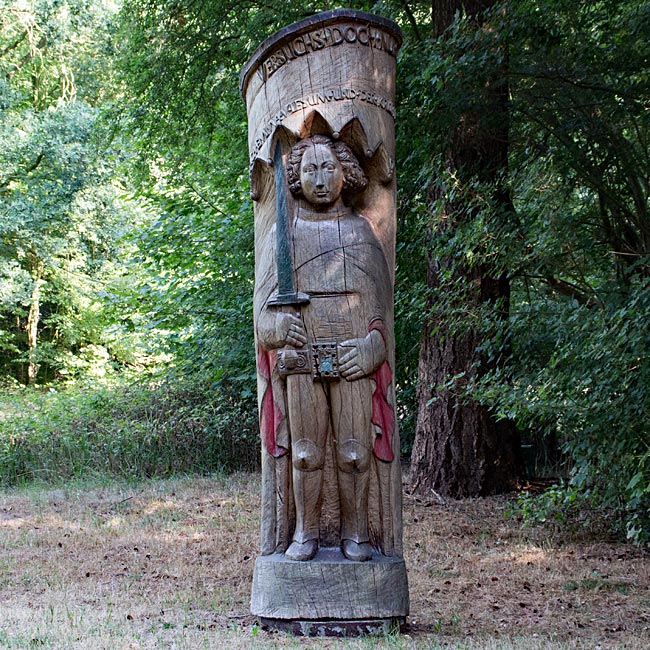
Wallanlagen
Almost entirely surrounding the old town is a zigzagging park landscape with a moat. This represents the last visible remnants of the fortifications that once encircled the old town and parts of the new town until the early 19th century. The transformation into a garden landscape began in 1802 with the first section between the Weser River and the Herdentor gate.
read more ...
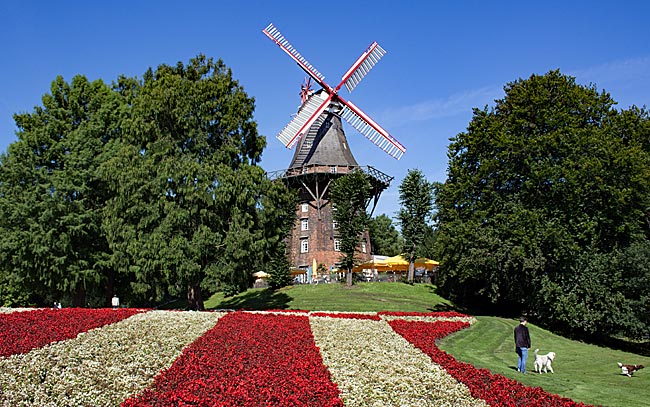
Exploring Horn-Lehe district
Some mills grind slowly, while others no longer operate at all - like the Horner Mill. Built in 1848 as a Dutch-style windmill, its preservation for passersby to enjoy today required significant effort and funding. It stands as the district's emblem.
read more ...