
 exploring Bremen & its surrounding areas
 You are here: worth seeing in the surroundings
 Neu Helgoland (New Heligoland) Worpswede (2/2)
Two in a boat
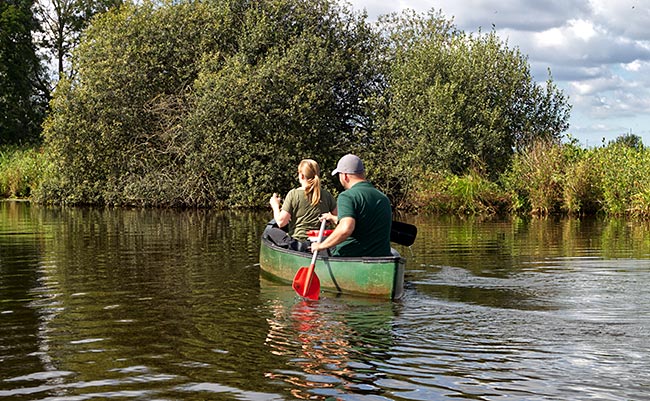
Although the Hamme is not a major waterway where large ships operate, traffic rules still apply here. Generally, right-hand traffic prevails, and today's motor-driven peat boats are considered commercial shipping and thus always have right of way. Therefore, you must make room with your leisure boat on the water. When paddling unevenly, a canoe inevitably tends to veer in one direction or another. But that’s no problem, the person sitting at the back can quickly and effectively steer using their paddle as a rudder when needed. Just try it out when there is enough space on the water.
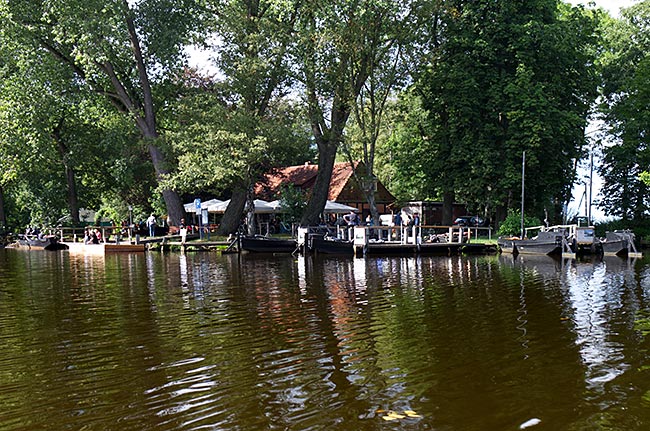
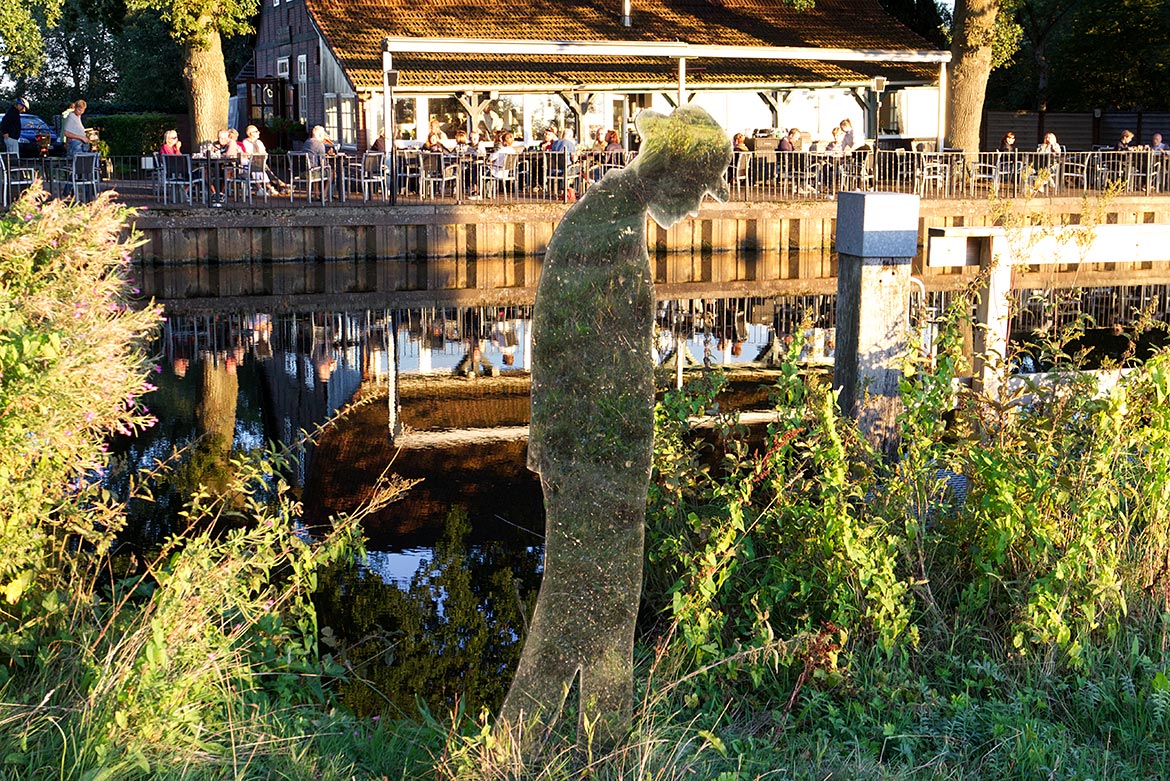
Beautiful spot: Melchers Hütte seen from the Hamme
In doubt, the boat may end up with its bow in the riverbank - no problem, as long as you stay in the boat. There are only a few places where it is allowed to disembark, as large parts of the landscape are protected. Besides restaurants like "Melchers Hütte" with their own docks and perhaps the Hamme viewing tower, there is little to nothing along the shore worth getting out for - always with the risk of an involuntary full-body dunking.
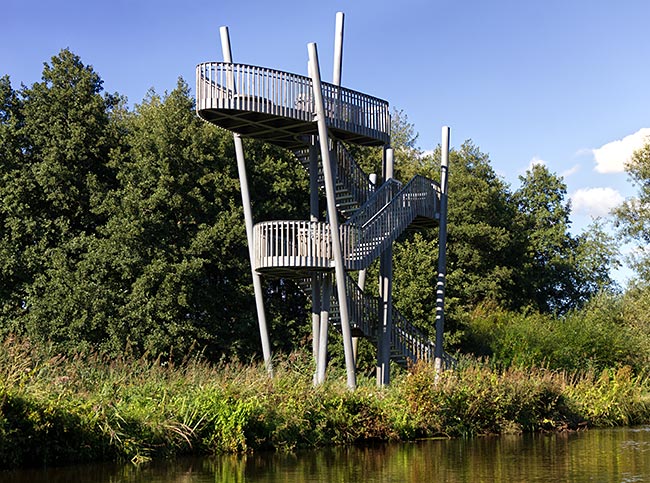
Hamme viewing tower
Sometimes, you can catch a few words from the helmsman standing at the stern with the rudder in hand as they pass by with their peat boats. Often, it’s about telling the passengers seated in two rows during the 90-minute journey something about these peculiar dark wooden boats, what life was like for the boatmen and moor farmers in the past, and the surrounding landscape.
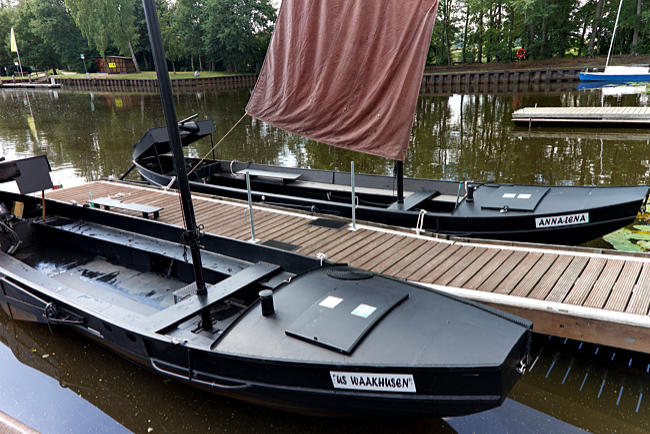
Peat boats
In 1720, colonization began in Teufelsmoor, the wetland was to be drained and made usable for agriculture and livestock farming. From the mid-18th century onward, this task was associated with the name Jürgen Christian Findorff, who, as a state moor commissioner, established numerous villages according to a plan. Since there were no roads or solid paths at the time, everything - building materials and daily necessities - had to be transported by water. Natural waterways and drainage ditches dug by many hands were used to drain the land.
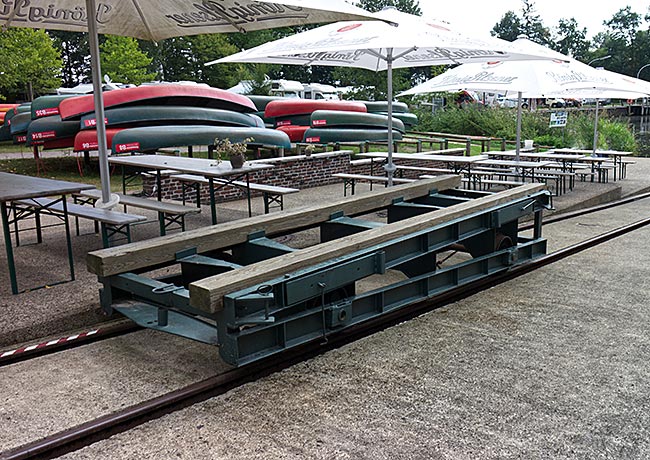
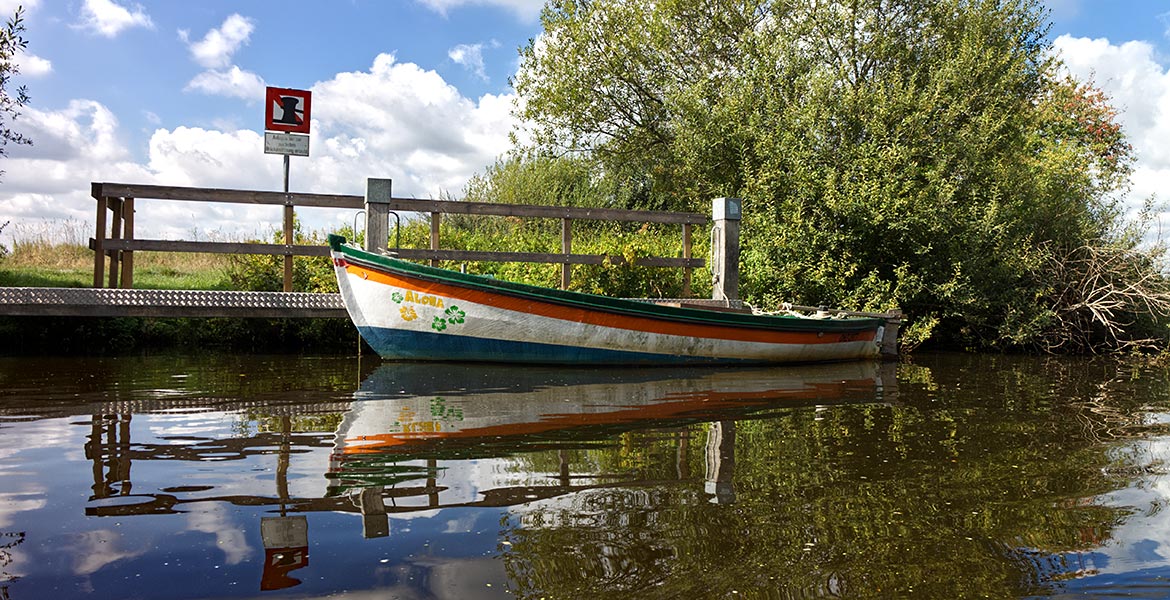
This slipway at Hamme Harbor is used to lift the peat boats out of the water after the season and store them dry in halls
Eventually, the moor farmers began cutting and drying the peat from the bogs. This was then transported in large quantities to Bremen for sale as heating material. The shallow-draft Half-Hunt boats were well suited for this task. For size reference: 1 Hunt equals 100 baskets and corresponds to 12 m².
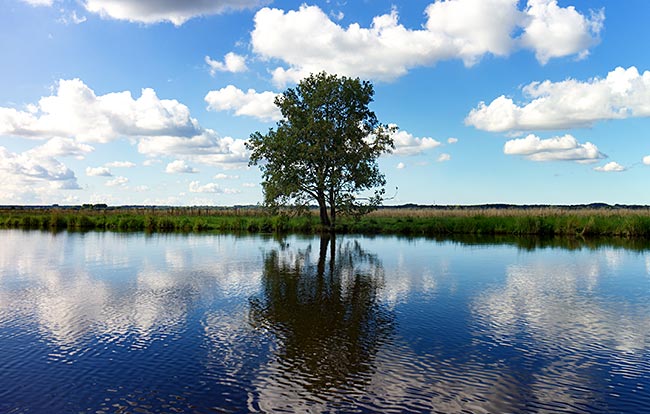
It can also get lonely on the river
The multi-day journey in open boats was not only arduous due to changing weather conditions—the vehicles had to be moved as well. If the wind came from the wrong direction for the sail, the boats had to be poled with four-meter-long poles or occasionally pulled along towpaths by horses via rope. At the end of the day, they would sleep on board.
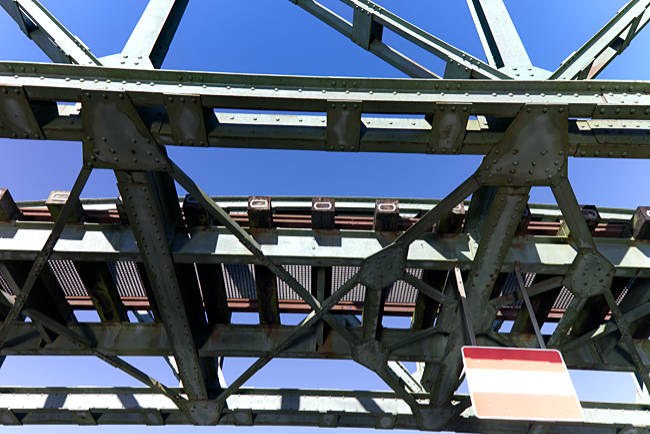
Unlike the Bremen-Tarmstedt narrow-gauge railway, which has been operational for over 100 years - first under steam power and now with motorized historical trains - the Moorexpress still runs between Bremen and Stade today
In the Findorff district, you can still find part of the former peat canal and peat harbor, which was the destination of the boats in Bremen. From 1900 onward, the now-defunct Bremen-Tarmstedt narrow-gauge railway took over not only freight but also passenger transport.
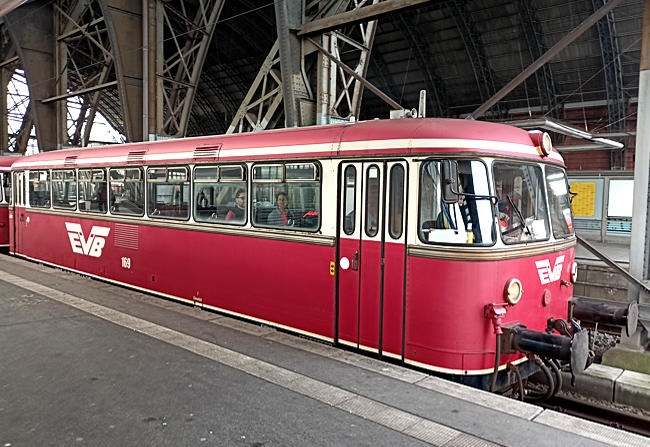
Still running through the moor: the Moorexpress, here at Bremen central station
Today, we know that draining the bogs was not an environmentally sustainable idea, and efforts are being made to find a balance between partial renaturation and preserving agricultural interests.
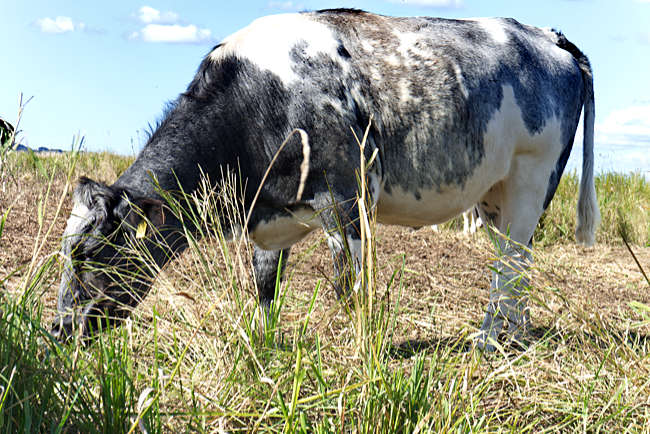
Cows graze on some of the areas along the Hamme
By the way, it’s also the more scenic route for recreational paddling - the one the peat boats still take today - downstream. In practice, this means: out of Hamme Harbor and then turn left. Going right makes the 48-kilometer-long Hamme increasingly narrower. The river flows into the only 10-kilometer-long Lesum, where it empties into the Weser via a weir at Vegesack in Bremen-Nord.
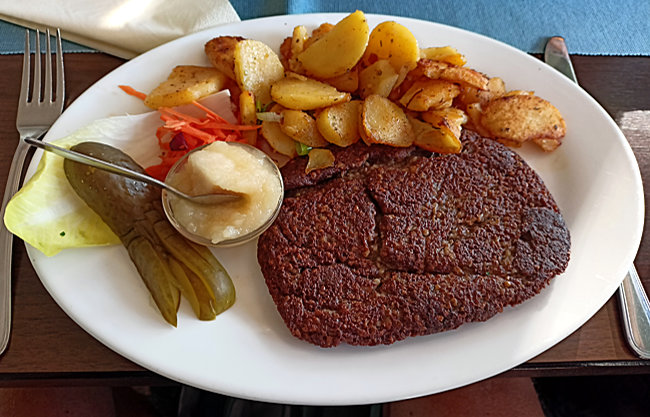
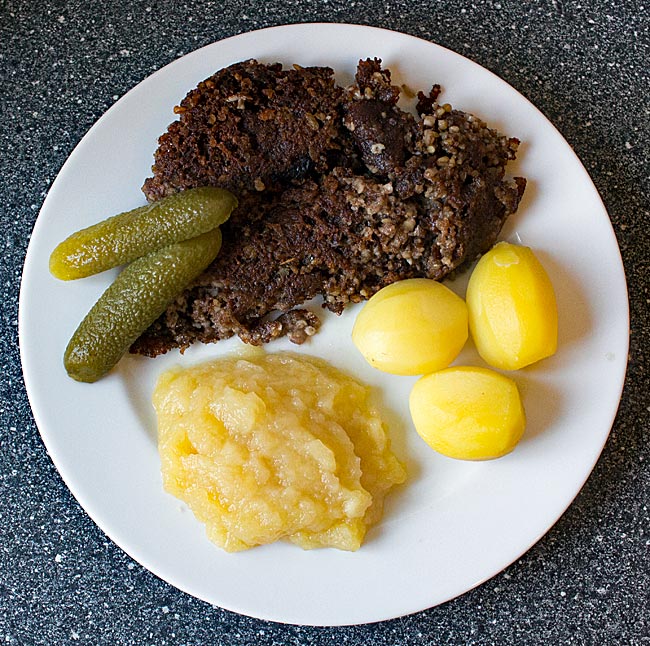
North German specialty: Knipp with fried potatoes at "Hamme Hütte Neu Helgoland"
And when evening falls, the day visitors' parking lot empties, and cyclists start pedaling again - after many plates have been cleared of delicious meals and the spirit of wine has been sought to the bottom of the glass, damp clothes have dried, and blisters on hands forgotten - then the campers are among themselves again - almost. And soon even fox and hare will say "goodnight."
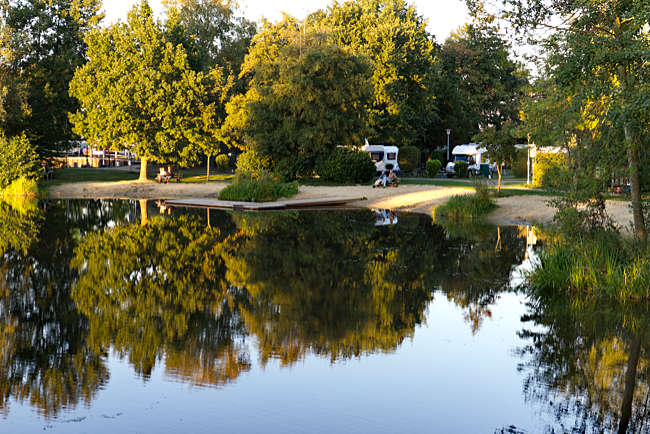
Peace returns at the small beach by the Hamme
previous page
 next page
Map
Further information
Hamme Harbor Worpswede
Campsite, Canoe and Kayak Rental, Bistro & Beer Garden
Season: April - October
Hammeweg 10-12
27726 Worpswede
Phone: +49 (0) 4792 509
Mobile: +49 (0) 151 12783007, +49 (0) 151 52460175
Open daily from 10 AM - 6 PM
Email: info@hammehafen.de
www.hammehafen.de
Hamme Hut Neu Helgoland
Hammeweg 29
27726 Worpswede
Phone: +49 (0) 4792 7606
Email: info@hammehuette.de
https://hammehuette.de
Open: Tuesday to Sunday 11 AM - 10 PM, closed on Monday
Adolphsdorfer Torfschiffer e. V.
Hammeweg 12
27726 Worpswede
Phone: +49 (0) 4792 951200
Email: info@torfschiffe.de
www.torfschiffe.de
Worpswede
In 1889, the painters Fritz Mackensen, Otto Modersohn, and Hans am Ende laid the foundation for this art center with their decision to work and live in the small, previously unknown village. They were quickly followed by other artists such as the painter Paula Becker, the poet Rainer Maria Rilke, Clara Rilke-Westhoff, Fritz Overbeck, Heinrich Vogeler, and later the sculptor, painter, and craftsman Bernhard Hoetger, after whose designs, among others, the Paula-Becker-Modersohn-House in Bremen's Böttcherstraße was built.
read more ...
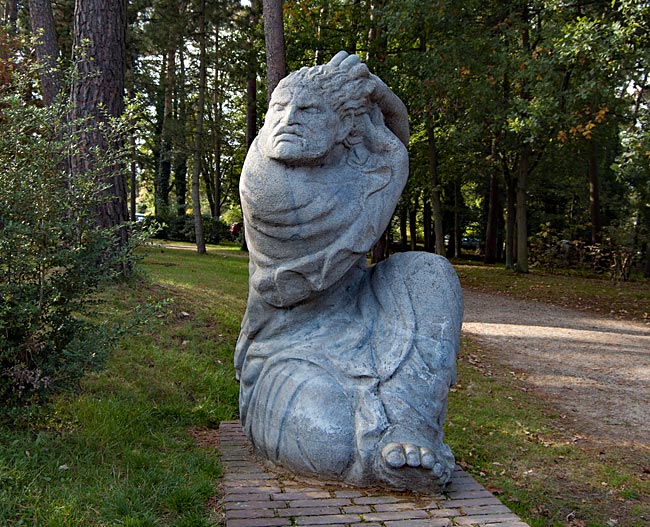
Cycling to Lilienthal
It's about 11 kilometers from the city center of Bremen to Lilienthal in Lower Saxony, just behind the city border. Although tram line 4 connects both places, a bike tour is more fun. On the Jan-Reiners-Weg, you can cycle through a green landscape without car traffic, and even within Lilienthal itself, the route follows the Wörpe River along small roads with light traffic into the historic city center.
read more ...
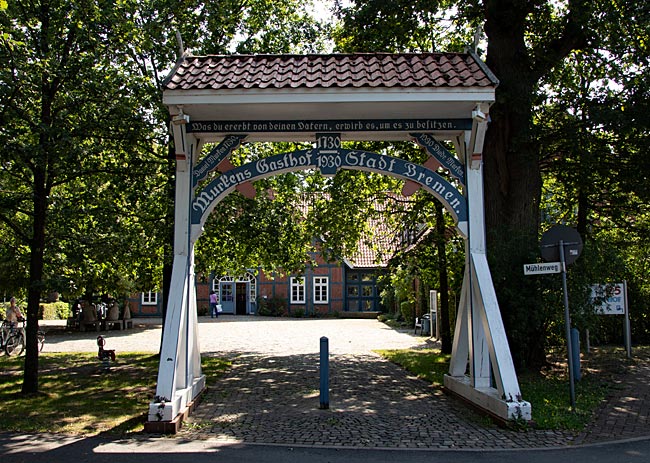
Bremerhaven in general
Bremerhaven was founded only in 1827. To secure its importance as a port city amid the threat of silting up of the Weser River - the lifeline of Bremen - Bremen acquired 342 morgen (approximately 850 acres) of land at the mouth of the Weser from the Kingdom of Hanover for 74,000 talers in 1827 under then-mayor Johann Smidt. About 60 km downstream from Bremen, the first urgently needed seaport for Bremen, known as the Alte Hafen (Old Harbor), was established there by 1830.
read more ...
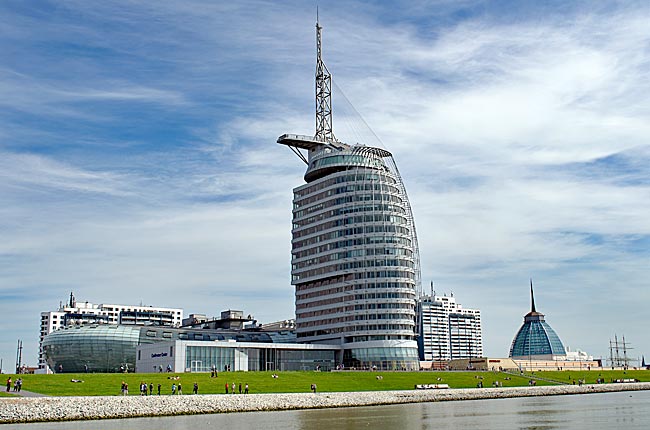
Findorff district
The history of the Findorff district is closely linked to the moors of the surrounding Lower Saxony countryside. In 1819, the so-called peat canal was dug to transport peat as fuel from places like Teufelsmoor to Bremen by water. Even today, the second peat harbor, built in 1873, exists in a smaller form within the district, with traditional peat barges moored there. However, peat transportation no longer plays a role today.
read more ...
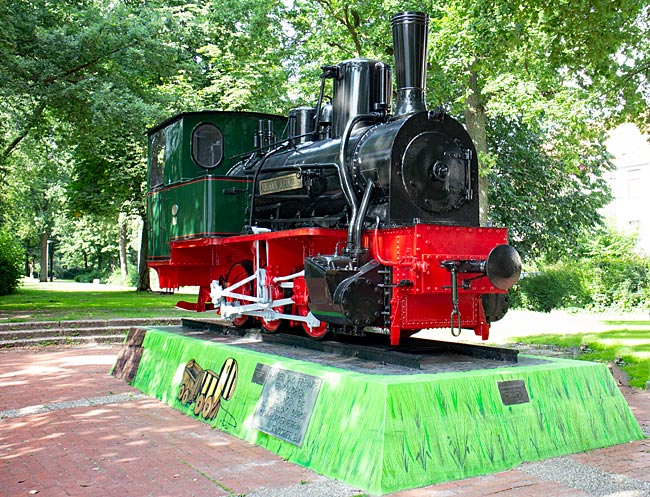
Water-based activities in and around Bremen
In a city on a major river with numerous lakes, it's natural to extend sporting or leisure activities from land to water. The most family-friendly water activity is certainly taking a rowboat ride on the canals of Bürgerpark. But there are also more options outside the city limits.
read more ...
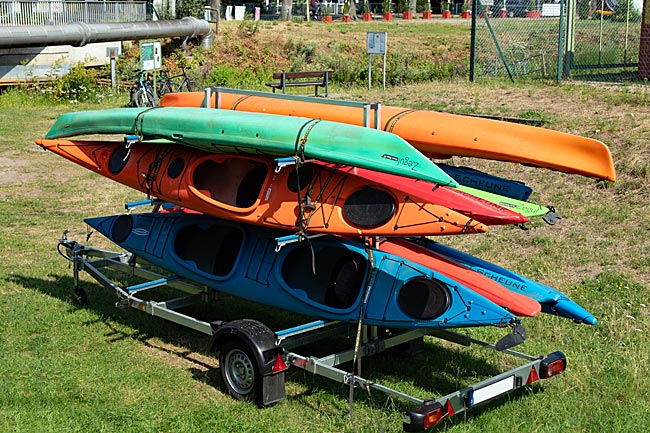
Vegesack in northern Bremen
Old Warehouses, a museum harbor with ships, the "Utkiek" with the jaw of a blue whale, and more are part of Vegesack's Maritime Mile, which stretches for about one nautical mile (approximately 1.8 kilometers) to the former site of the "Bremer Vulkan" shipyard, which went bankrupt in 1996. This also includes the Stadtgarten (a park), which runs almost from the ferry terminal to the former "Vulkan" site.
read more ...
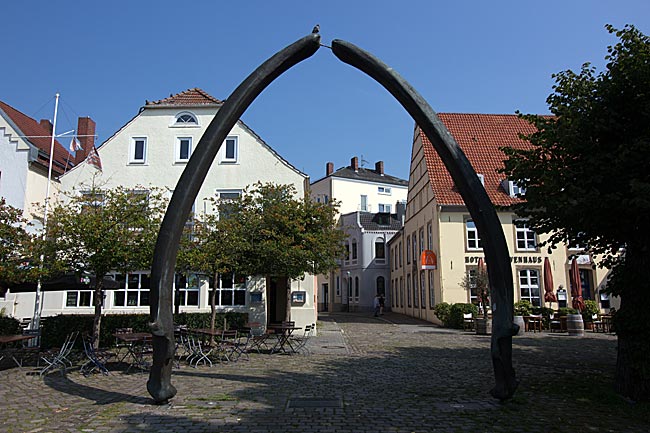
Artists' colony & peasant village: Fischerhude
Signposts make it clear to every previously unaware visitor that this place differs significantly from many other traditionally agricultural villages. Fischerhude is hip. Numerous cafés and restaurants, ceramics studios, art galleries, a local history museum, the Modersohn Museum, and more vie for the favor of an audience that is sometimes more and sometimes less interested in art but regularly strolls through Fischerhude in large numbers.
read more ...
Knipp
Quite hearty and not suitable for a diet program is Knipp. The "Grützwurst" made up of 50% pork meat and bacon, 20% oatmeal as well as water, onions, dextrose, and spices, including mainly pepper and salt, was long considered „poor people's food“, because it was formerly actually made from leftovers that fell off during slaughtering. Today, Knipp is considered a specialty in Bremen and some parts of Lower Saxony.
read more ...