
 exploring Bremen & its surrounding areas
 You are here: worth seeing in Bremerhaven
 Bremerhaven Overseas Port (3/3)
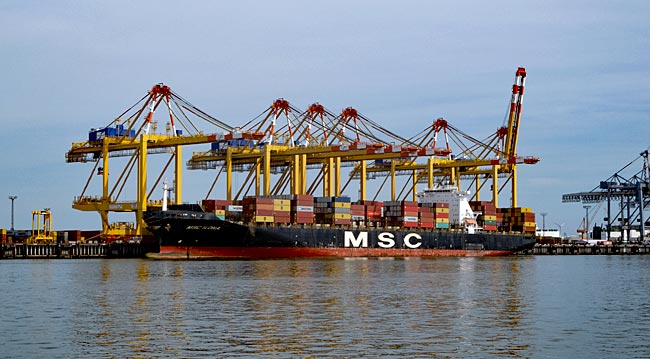
The "MSC Ilona," built in 2001 and with a maximum capacity of 6,732 TEU, remained docked in Bremerhaven for one day
While there is admiration for the technology, this once again sparked a discussion about whether unchecked ship growth should be legally curbed. With such large ship capacities, and it seems the limits of what's possible haven't been reached yet, more and more seaports are struggling. Rivers cannot be dredged indefinitely without causing severe, long-lasting damage to aquatic and terrestrial plant and animal life, as well as the surrounding land. This applies not only to the Weser in Bremerhaven but even more so to the Elbe and the seaports of Hamburg.
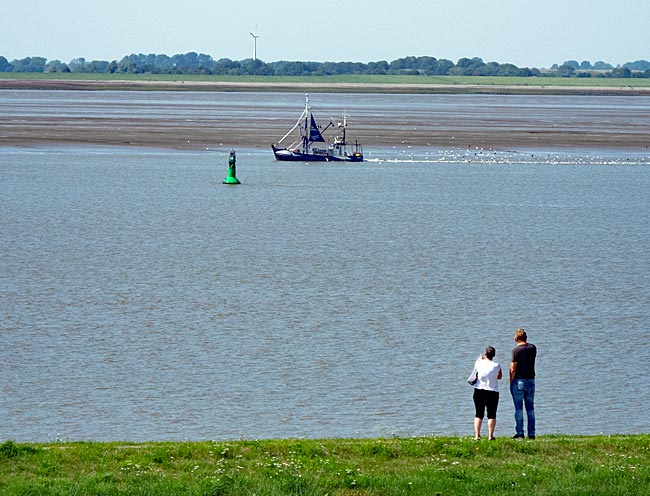
At low tide, it's visible how shallow wide stretches of the Weser are in many places. Dredging the riverbed deeper increases water flow, which can erode unprotected shoreline areas
Bremen and Lower Saxony had actually already found a solution to these problems years ago. In addition to the oil port in Wilhelmshaven on the Jade Bay, a deep-water port was constructed and officially opened on September 21, 2012. The over 1.7-kilometer-long quay of the JadeWeserPort, with a tide-independent draft of 16.5 meters, allows even 400-meter-long freighters like the Gülsün to dock effortlessly. Up to 2.7 million standard containers (TEU) can be handled annually on the port area. Thus, the port is technically equipped for international maritime trade demands, but container handling hasn't fully taken off yet because the containers still need to be transported by train or truck to their final destinations ...
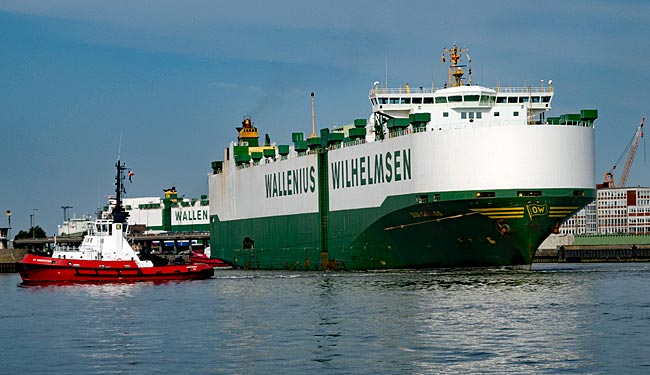
A Ro-Ro ship is pulled out of the North Lock with the help of a tugboat
But we're digressing, we're still in Bremerhaven on the Weser, and not every container freighter reaches dimensions that surpass all previous records. Instead, interesting maneuvers can be observed on the water, such as an auto transporter being locked through the North Lock with the assistance of a tugboat or a container freighter turning around on the river before docking at the quay, also with the help of a tugboat, and this is a time-consuming process. Indeed, it's noticeable that all ships are moored bow-first toward the North Sea, meaning they face the direction of travel, as right-hand traffic rules apply here on the water as well.
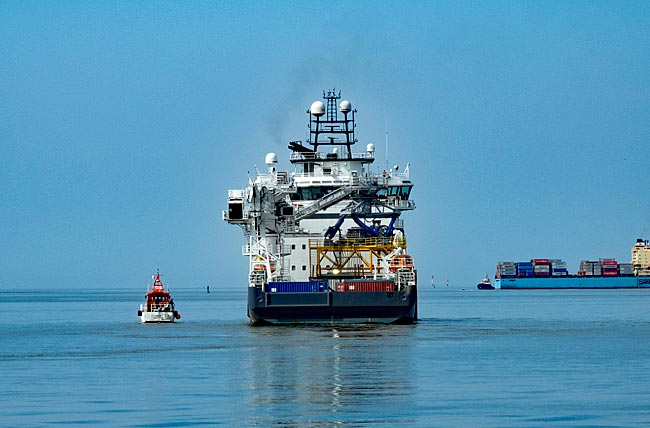
A supply ship leaves Bremerhaven; to the left, a pilot boat, and to the right, a container freighter is turned 180° before docking on the Weser.
With docking fees for ships ranging from five- to six-figure sums depending on size, no time is wasted today. Giant container cranes or so-called portainers that move on rail systems along the quay parallel to the ships hoist containers upward via a lifting system and place them on the port area using a trolley. The operator cabins are located on the trolley above the lifting system and have glass floors, allowing the person to look down at the containers from high above. The higher the steel boxes are stacked on board the ships, the taller the container cranes must be. In 2019, MSC Gate Bremerhaven GmbH & Co. KG ordered two new larger container cranes from manufacturer Liebherr. The cranes, with a total height of 135 meters, a lifting height of 51.2 meters, and a reach of 73 meters, are capable of handling ships with 25 rows of containers on deck without restrictions, meaning the world's largest vessels, as stated in a press release by Eurogate.
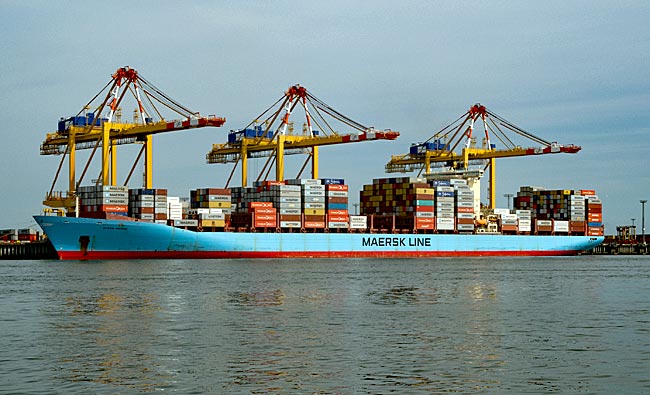
The "Susan Maersk," sailing under the Danish flag, was built in 1997 and can carry 9,578 standard containers
Once ashore, van carriers or portal lift trucks handle the containers. The tall vehicles take the containers into their center and stack them on the terminal area at designated locations or place them directly onto a waiting truck trailer. On the grounds now fully illuminated by LED lights, work continues around the clock.
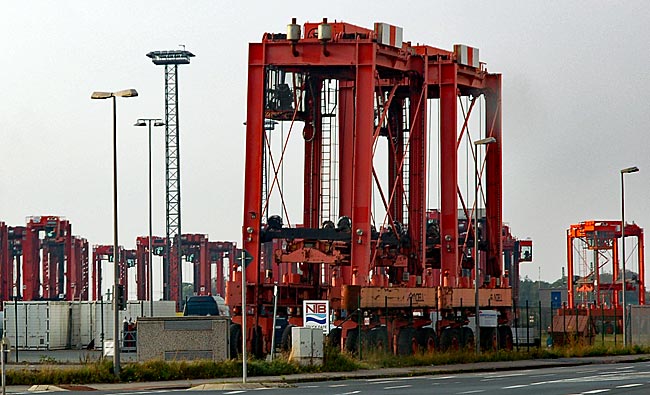
Old van carriers on the port area
However, people are not visible from the river, those in the control cabins cannot be seen either, and even massive freighters operate with no more than about 20 crew members, who use their downtime differently and simply walk around for safety reasons. With the widespread use of steel boxes in international trade, port handling has become a somewhat eerie affair dominated by machines that already operate fully automatically in many ports worldwide. The control center is located somewhere centrally, and the executing personnel are highly specialized computer operators with joysticks in hand.
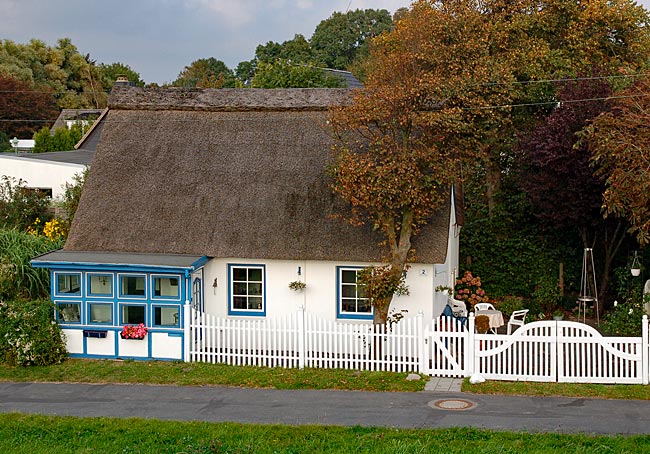
House behind the dike
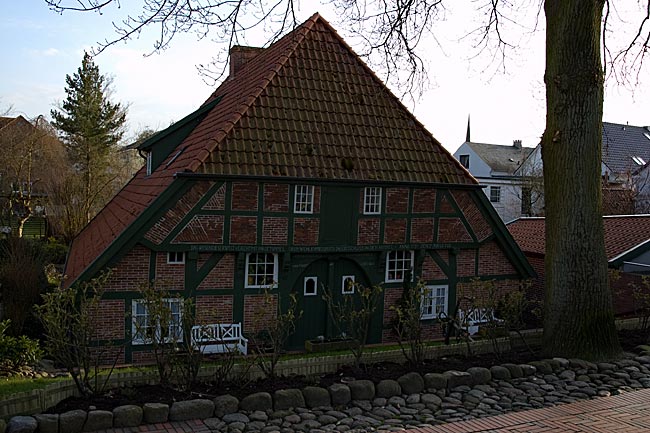
At the end of the quay, the city of Bremerhaven also comes to an end. Industrial superlatives built here into the Weser, a few meters back, dike, and rural life. Not exactly in the sense that "foxes and hares say goodnight" as the saying goes, because the coast up to the next hotspot, Cuxhaven at the mouth of the Elbe, is developed for tourism and, depending on expectations, attractive for a vacation by the water, such as in Wremen or Dorum.
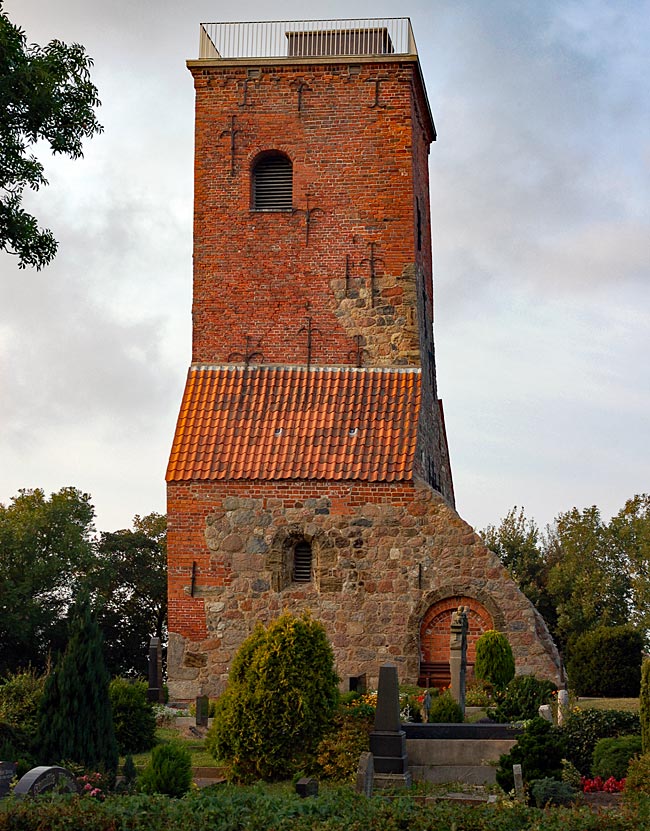
The protected 1218-built Ochsenturm in the district of Imsum in the city of Geestland is the remnant of a medieval church that was demolished in 1895. For a long time, the tower behind the dike served as a landmark for sailors and is now a popular viewing tower with kilometer-wide visibility
At the city border, the "Geestemünde" turns around, and the excursionists might be lucky enough to spot seals relaxing on a sandbank at low tide. Given the ship traffic, which, with noise and propeller diameters of several meters causing massive sediment disturbances and water turbulence during operation, contributes more to a hostile underwater environment, one can only marvel at how robustly the animals react. In fact, the marine mammals, so elegantly moving in water but appearing clumsy on land, often swim up the Weser as far as Bremen and can be observed on the beach of Rablinghausen or even at the Weser weir.
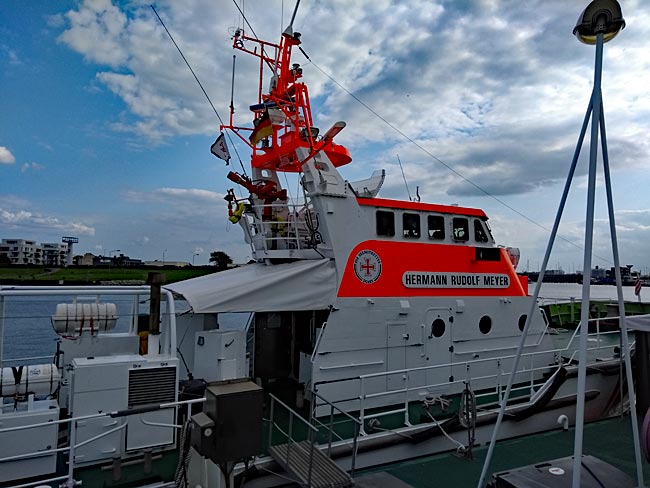
The rescue cruiser "Hermann Rudolf Meyer" of the DGzRS next to the Bremerhaven pilot station at the mouth of the Geeste
Before the route leads back through the lock into the New Harbor, the "Geestemünde" makes a short detour to its namesake location: the mouth of the Geeste, the city's second river with an important ferry terminal for commuters to Nordenham or Blexen on the opposite side of the Weser. The approximately 15-minute crossing saves a kilometer-long detour.
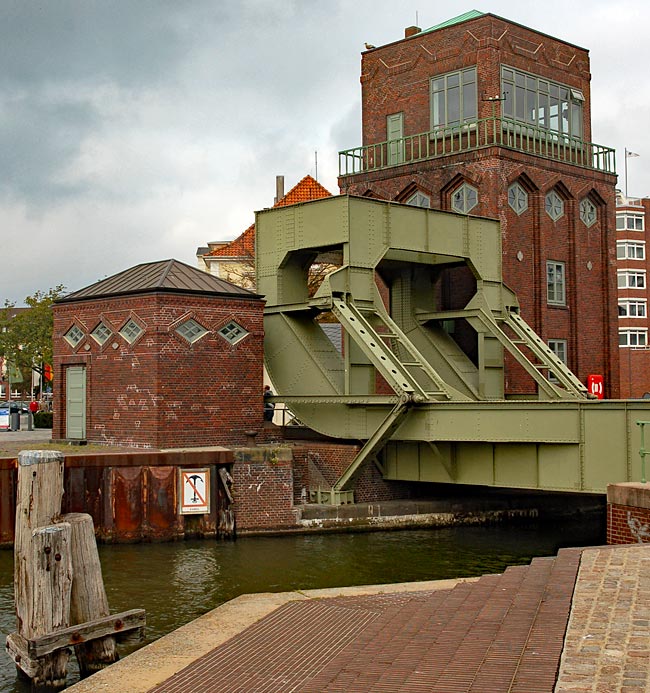
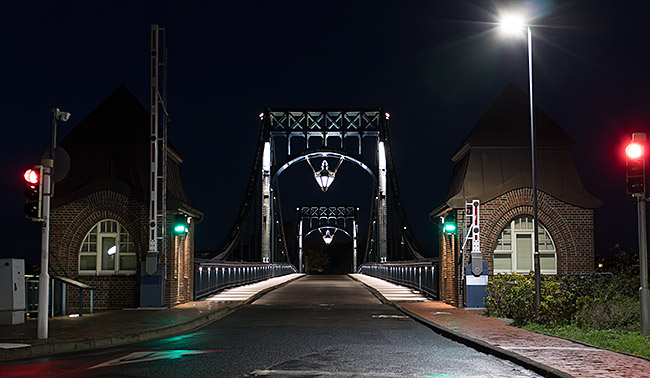
Here, ships for harbor tours depart and arrive. Trains used to cross over the 1926/28-built and since renovated protected bascule bridge into the harbor
Those who still haven't had enough of ship-watching after the tour can simply book a harbor tour and take a closer look at the ships in the Kaiser harbors and the North Harbor. Departure is diagonally opposite the German Emigration Center; tickets are available in the brick building at the head of the New Harbor, right at the corner (No. 4).
previous page
 next page
Map
Further information
Dicke Pötte Tour (Big ships tour)
Reederei Weserfähre GmbH
Zur Hexenbrücke 11
27570 Bremerhaven
Phone: +49 (0)471 3003-600
Email: info@weserfaehre.de
www.ms-geestemuende.de
Travel time: 2 to 2¼ hours, daily 1–2 trips depending on the schedule
Hafenrundfahrten (Harbor Tours)
HaRuFa Maritime Tourismus GmbH
H.-H.-Meier-Straße 4
27568 Bremerhaven
Phone: +49 (0)471 415850
Email: kontor@hafenrundfahrt-bremerhaven.de
https://hafenrundfahrt-bremerhaven.de
Bremerhaven in general
Bremerhaven was founded only in 1827. To secure its importance as a port city amid the threat of silting up of the Weser River - the lifeline of Bremen - Bremen acquired 342 morgen (approximately 850 acres) of land at the mouth of the Weser from the Kingdom of Hanover for 74,000 talers in 1827 under then-mayor Johann Smidt. About 60 km downstream from Bremen, the first urgently needed seaport for Bremen, known as the Alte Hafen (Old Harbor), was established there by 1830.
read more ...
Bremerhaven - Deutsches Auswandererhaus® (German Emigration Center)
Opened in 2005, the German Emigration Center vividly and engagingly presents the history of emigration to America across five eras spanning from 1830 to 1974. In total, 7.2 million people departed from Bremerhaven to seek a new home and build a new life beyond the Atlantic. The emotionally compelling exhibition, backed by historically accurate research, earned the museum the European Museum Award in 2007.
read more ...

Bremerhaven - Zoo am Meer (Zoo by the Sea)
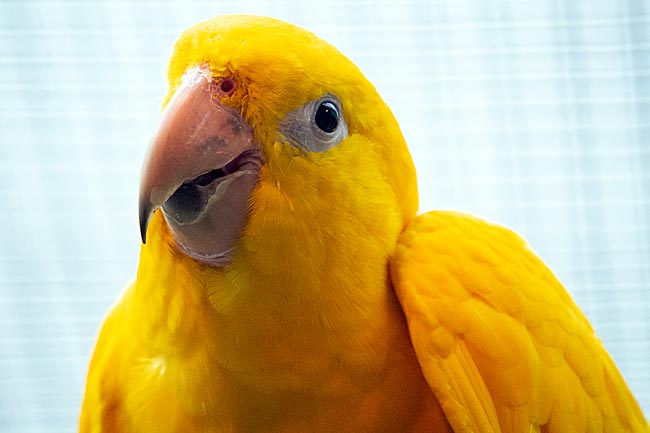
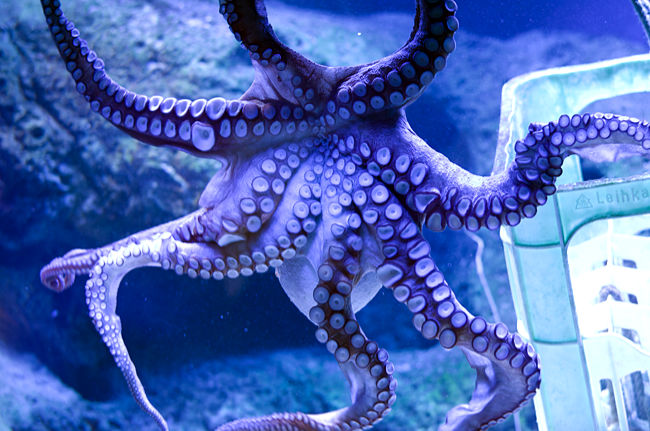
In addition to the 19th-century harbor facilities, the Zoo am Meer is the oldest attraction on the site between the Weser River and the pedestrian zone. It opened in 1928 under the name "Tiergrotten." The enclosures house polar bears, seals, penguins, various bird species such as gannets and keas, reptiles like turtles, raccoons, Arctic foxes, pumas, monkeys, and others - almost 50 animal species in total.
read more ...
Bremerhaven Havenwelten
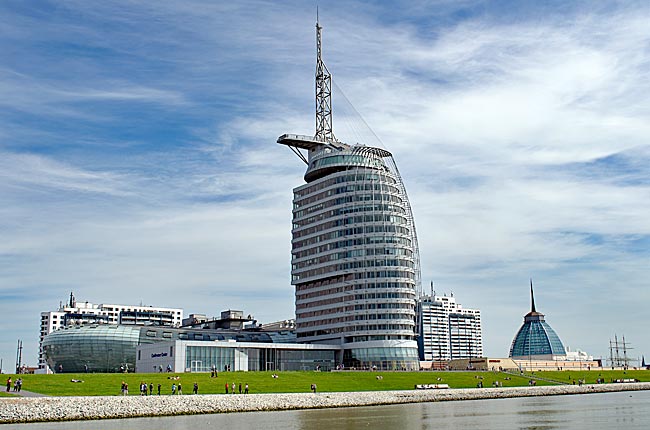
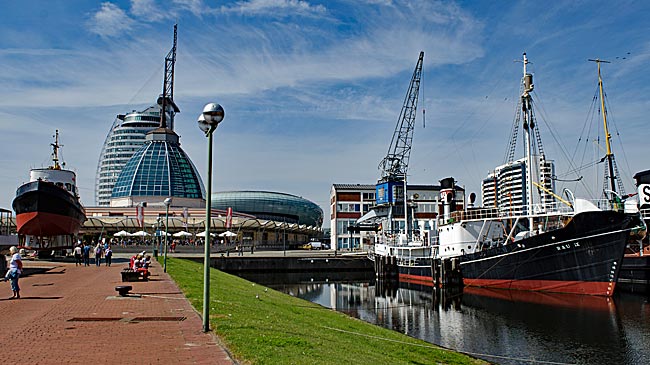
Since early 2008, Bremerhaven has not only had a new tallest building but also a new landmark in its Weser-side skyline with the ATLANTIC Hotel SAIL City, which rises 147 meters directly behind the Weserdeich. Architecturally, the structure perfectly embodies a maritime city - it stands like a powerful, rounded ship's superstructure. On the 20th floor, at a height of 77 meters, there is an observation deck (SAIL City) that is also accessible to non-guests.
read more ...
Bremerhaven - Schaufenster Fischereihafen (Fishery Harbor Showcase)
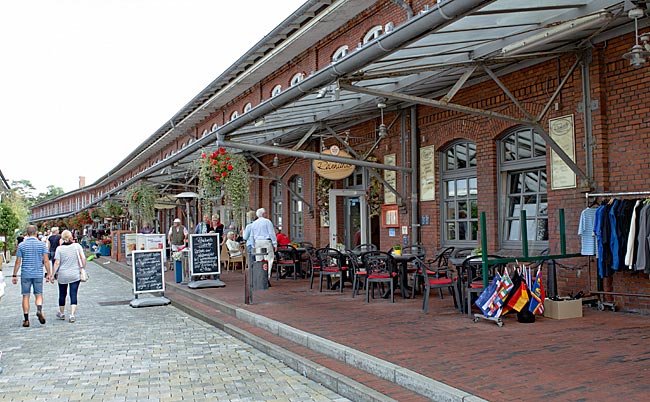
Away from the Havenwelten and older than both the Emigration Center and Klimahaus is the "Fishery Harbor Showcase." In fact, the Fishery Harbor was originally Geestemünde's deep-sea fishing harbor, built between 1891 and 1896. After a period of decline and decay - including partial demolitions - the idea emerged to transform the area into a maritime experience world. In 1990, efforts began to restore Fish Packing Hall IV, the oldest surviving hall, which had been slated for demolition just shortly before.
read more ...
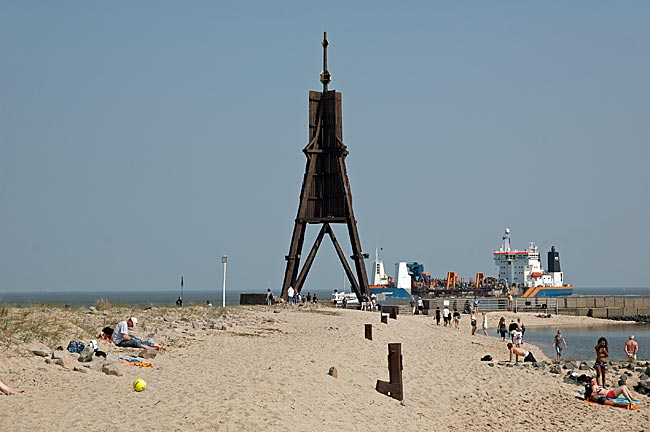
Cuxhaven - a day trip
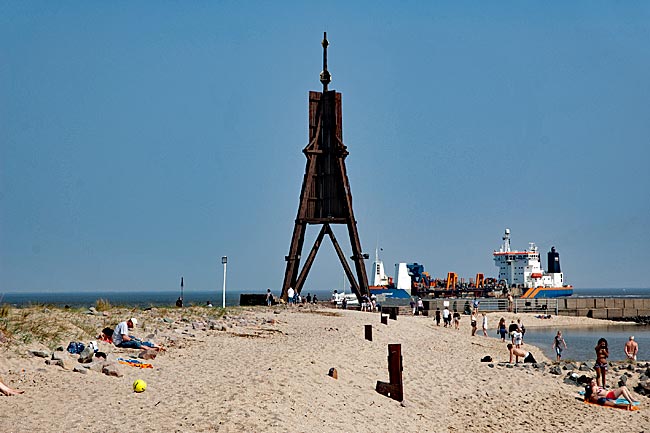
Many people from Bremen consider the seaside resorts of Cuxhaven to be "their home beach." The coastal city at the mouth of the Elbe is easily accessible from Bremen by car via the A27, which passes by Bremen and Bremerhaven before ending in Cuxhaven. By train, the journey takes a bit longer with a transfer in Bremerhaven. However, even in the off-season, Cuxhaven with its seaside resorts is a great destination for an outing - for example, by bicycle.
read more ...
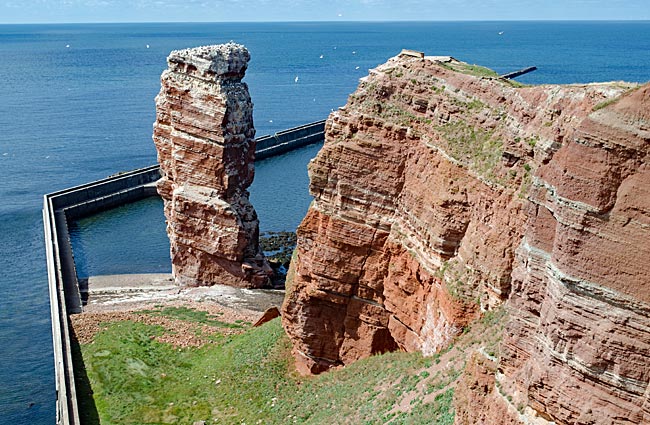
Heligoland - a day trip
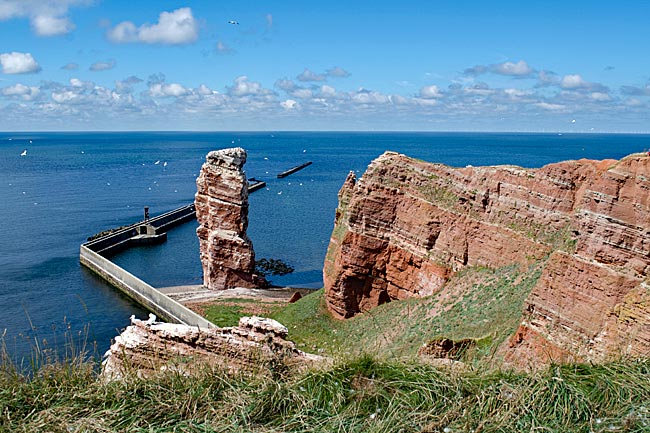
Germany's only supposed high-seas island is visited each year by thousands of tourists, most of them day-trippers in the warmer months. And yes, admittedly, Heligoland isn't located right in the vicinity of Bremen. However, it can be reached as a day trip from Bremerhaven and Cuxhaven - which is why we decided to visit.
read more ...
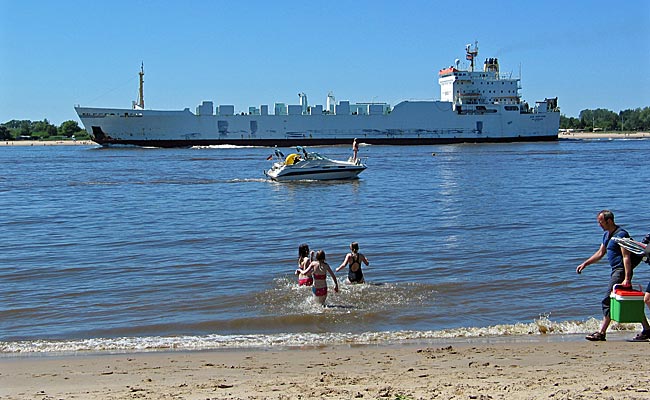
Brake & the River Island of Harriersand
As soon as spring arrives and the temperatures reach around 20 degrees, many Northern Germans are drawn to the North Sea coast. The main attraction? A beach to lie in the sun and sand for children to dig and build castles. This also draws many people from Bremen to the highways heading north on warm weekends, equipped with bags packed and picnic baskets ready for a day of seaside relaxation. But why travel far when the nearest beach is just around the corner? A visit to Brake and Harriersand proves that.
read more ...
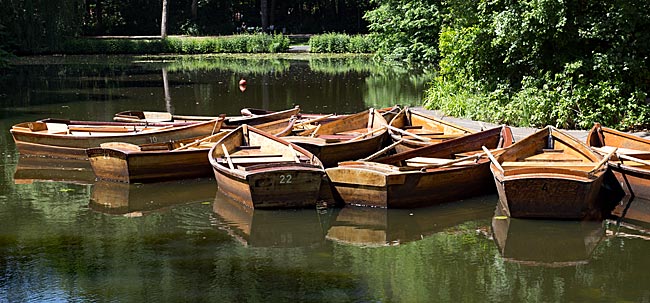
Water-based activities in Bremen
Given that Bremen is a city on a major river with numerous lakes, it makes sense to extend sports or other personal water-related activities from land to water. The most family-friendly activity on the wet element is certainly taking a rowboat ride along the canals of Bürgerpark.
read more ...
Wilhelmshaven – Seaside City on the Jadebusen
It's hard to imagine Wilhelmshaven without its naval presence, as the city only developed after a naval base was built in the 19th century. Even today, the German Armed Forces (Bundeswehr) maintain a large base here with several squadrons. Yet, there is much more to discover in this port city beyond its military significance.
read more ...
SAiL Bremerhaven
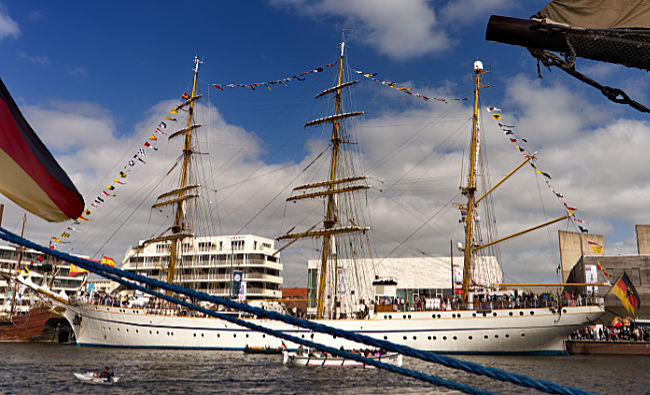
When SAiL Bremerhaven takes place, the port city becomes an even more international stage than it already is, both in terms of participants and visitors, who exceed ten million over the five days of the event. Unlike the usual focus on cargo ships at the container terminal and cruise ships at the cruise terminal, this time - true to its name - the spotlight shifts primarily to sailing ships. In total, 250 vessels were attracted or involved in the SAiL, which returned for the first time in ten years in 2025.
read more ...